One Day Kyoto Itinerary: Best Things To Do in Kyoto, Japan
Now Go See It is reader-supported. When you buy through links on our site, we may earn an affiliate commission.
One perfect day in Kyoto: sunrise gates at Fushimi Inari, temple views at Kiyomizu-dera, bites at Nishiki Market, Arashiyama bamboo, and Gion nights galore.
What to Know Before Visiting Kyoto
Plan your Kyoto itinerary around opening hours and crowds so you can hit the top things to do in Kyoto—temples, markets, and Arashiyama—in a single, efficient loop. Cash is handy, lines move faster early, and this guide prioritizes can’t-miss things to do in Kyoto, Japan, without wasting steps.
Kyoto rewards early mornings and smart routing. Group the southeast temples first, refuel in the city center, then finish out west in Arashiyama before looping back for dinner and nightlife. Most major shrines and temple grounds are free to enter; inner halls and gardens sometimes charge a small fee, and many close around 5 pm. Bring cash for market snacks and small shops. Dress for a lot of walking with a few steep hills and steps. If you’re visiting in summer, plan shade and water breaks. In peak seasons, book dinner ahead—tiny restaurants fill quickly.
Is Kyoto Safe?
Kyoto is very safe, including busy sightseeing areas and popular photo spots at night; standard city awareness is enough. Expect polite crowds at major sites and follow local etiquette in Gion and shrine precincts to keep your one day in Kyoto smooth and stress-free.
Kyoto feels very safe, even at night in central neighborhoods. Petty theft is rare, but don’t tempt fate—keep phones and wallets secure in crowds around Kiyomizu-dera, Nishiki Market, and Arashiyama’s main streets. Respect local etiquette at shrines and in geisha districts: no blocking doorways, no flash photos at close range, and never touch kimono or hair ornaments.
How To Get Around Kyoto?
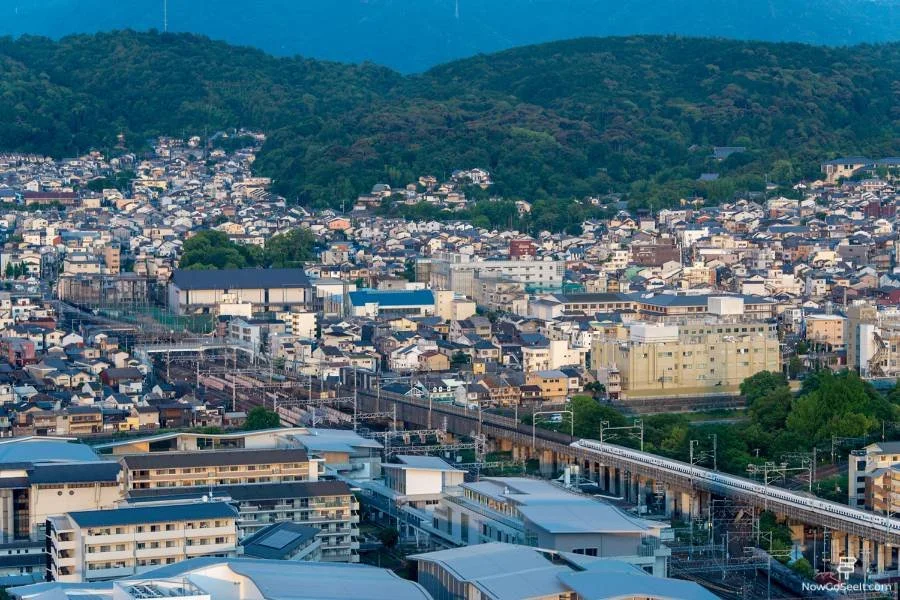
Use trains and the subway for speed, buses for short hops, and taxis to close gaps so your one day Kyoto itinerary stays on time. With an IC card and pre-downloaded maps, you’ll move cleanly between the best things to do in Kyoto without backtracking.
Use an IC card (ICOCA, Suica, PASMO) and lean on trains and the subway for speed; buses are fine for short hops but can crawl in traffic. JR Nara Line gets you to Fushimi Inari; Keihan and Hankyu lines are your friends for bouncing between the east side, downtown, and Arashiyama. Taxis are plentiful and affordable for short gaps, especially at the end of the night. Google Maps handles routes well offline if you pre-download Kyoto. Expect 20k–25k steps on this plan; swap a taxi when your feet start negotiating.

Airline Miles and Hotel Points 101
We share tips and tricks for credit card points and miles. These tools help us save money on our trips around the world by allowing us to accumulate airline and hotel points.
One Day Kyoto Itinerary - Morning
Start at Fushimi Inari Taisha at sunrise, then climb to the classic views at Kiyomizu-dera and work down through Sannenzaka/Ninenzaka to Yasaka Shrine—this front-loads the top things to do in Kyoto before tour groups arrive. It’s the smartest way to unlock “1 day in Kyoto” highlights while crowds and heat are still low.
7:00 am – Fushimi Inari Taisha (JR Nara Line to Inari Station; torii trail starts across the street)

Fushimi Inari Taisha
Map: Google Maps
Website: Link
Thousands of vermilion torii climb the sacred mountain behind this shrine, and sunrise is the sweet spot before tour groups arrive. Start at the main honden, then follow the loop as far as your energy allows; the viewpoint at Yotsutsuji intersection gives you city panoramas without committing to the full summit. Stone foxes (kitsune) guard the grounds, honoring Inari, deity of rice and prosperity, and you’ll spot them everywhere. Entry is free and open 24/7, so beating the heat is easy. Bring a light layer; the shaded path can feel a few degrees cooler than downtown. Snack ideas when you finish: inari-zushi (sweet tofu pockets of rice) or a cup of matcha from stands by the base. If you’re moving fast, budget 90 minutes; hikers can stretch it to three hours without noticing.
9:15 am – Kiyomizu-dera (Keihan Line to Kiyomizu-Gojo; 20-minute uphill walk via Gojo-zaka)
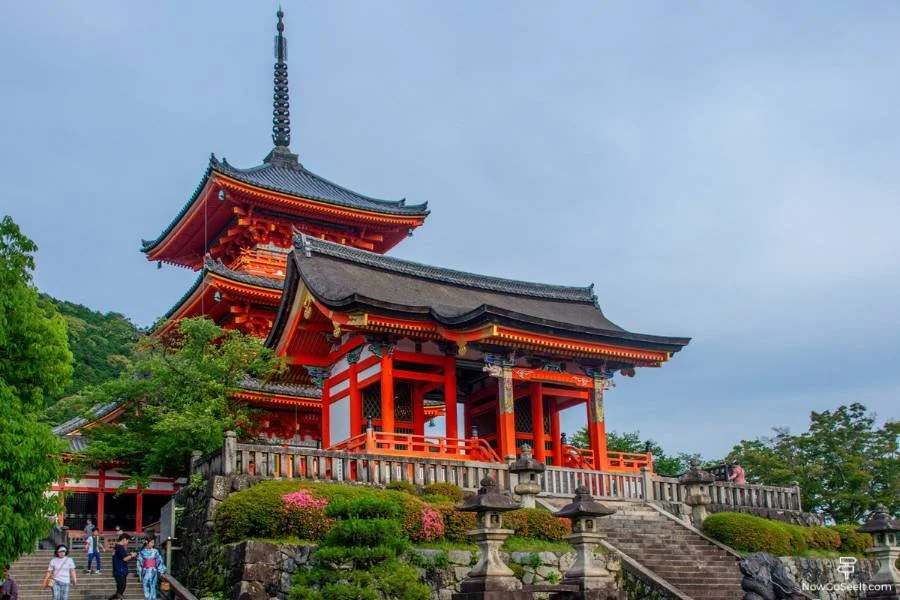
Kiyomizu-dera
Map: Google Maps
Website: Link
The temple’s wooden stage projects out over a hillside, delivering one of Kyoto’s most famous views. The main hall was rebuilt without nails, and the engineering still impresses when you notice the lattice of pillars below. Down the slope, try the Otowa Waterfall’s three streams—tradition says each spout represents a different wish; pick one and don’t be greedy with all three. Jishu Shrine sits behind the main hall with love-themed fortunes that draw a steady crowd. Mornings are friendliest here; later in the day the approach streets get very busy. If you like seasonal charms, check dates for nighttime illuminations in spring and autumn. Expect steps and some steep patches; good shoes make a difference. Plan about 75–90 minutes, including photos.
10:45 am – Sannenzaka & Ninenzaka (walk downhill from Kiyomizu-dera toward Yasaka Pagoda)

Sannenzaka & Ninenzaka
Map: Google Maps
These preserved lanes wind past wooden townhouses, pottery studios, and small tea shops that feel straight out of an old print. Yatsuhashi sweets—cinnamon-scented triangles—make a quick snack; try them raw and filled with red bean or seasonal flavors. Keep an eye out for the view back to Yasaka Pagoda, a classic photo frame between rooftops. Mornings are calmer, and shopkeepers are chatty before the midday rush. Souvenirs worth packing: Kiyomizu-yaki ceramics or a pocket-size furoshiki cloth. If you buy anything fragile, many stores will ship internationally. Give yourself 30–45 minutes to meander and window-shop.
11:30 am – Yasaka Shrine (continue on foot into Maruyama Park; cut west toward downtown after)

Yasaka Shrine
Map: Google Maps
Website: Link
A grand torii leads into bright-orange gates and a courtyard lined with lanterns bearing the names of local businesses. It’s lively at all hours with families, kimono rentals, and occasional weddings passing through. The inner altar is quick to visit, but the fun is people-watching and browsing the small charm stalls. When the lanterns switch on at dusk the shrine glows, yet midday still has a nice buzz and space to move. Step into the side paths if you want a quieter corner before heading downtown. The adjoining park is handy for a short bench break when legs start complaining. From here, it’s a flat 15–20 minute walk to lunch.
One Day Kyoto Itinerary - Afternoon
Break for lunch at Nishiki Market, then ride out to the Arashiyama Bamboo Grove Kyoto and Tenryu-ji before finishing by the river at Togetsukyo Bridge. This sequence covers signature sights with minimal transfers and checks off headline things to do in Kyoto in one efficient run.
12:15 pm – Lunch at Nishiki Market (walk 15–20 minutes to Nishiki; eat as you go or grab a table on a side street)
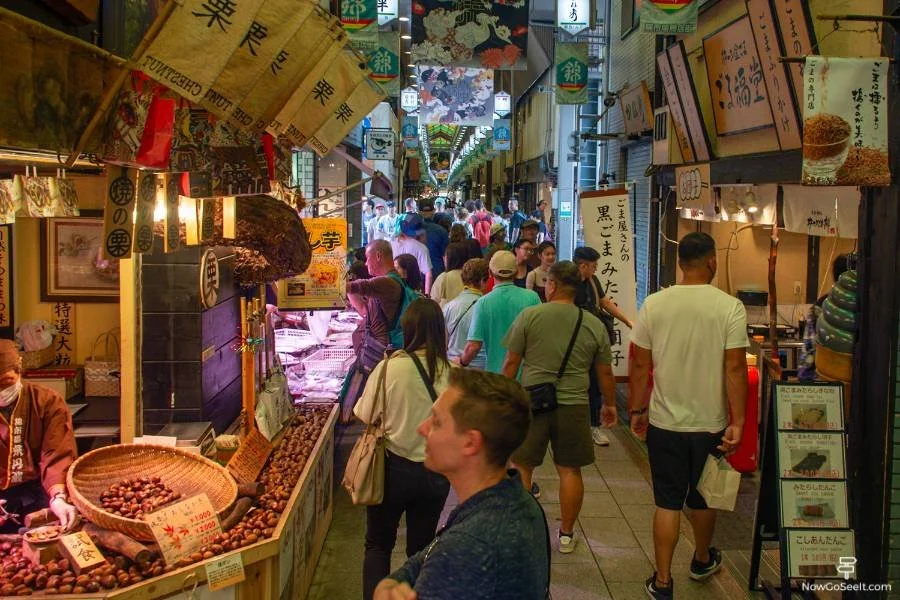
Nishiki Market
Map: Google Maps
Website: Link
Food Tour: GetYourGuide
Kyoto’s covered food arcade runs one slender block wide but packs in a city’s worth of flavors. Work it slowly from east to west and graze: soy milk doughnuts, pickled vegetables, grilled eel on a stick, sesame croquettes, and tamagoyaki squares are easy wins. Many stalls offer toothpick samples—say thank you with a tiny purchase. Keep trash until you find a bin; most shops prefer you finish bites near their storefronts. If you want to sit down, detour to a noodle spot or donburi counter on a side street; the market itself is designed for quick eats. Cash rules here, though a few places take cards. Stalls start closing around late afternoon, so midday lunch timing is perfect. Plan 60–75 minutes depending on your appetite.
1:45 pm – Train to Arashiyama (Hankyu Kawaramachi → Katsura → Hankyu Arashiyama; 30–35 minutes)

Arashiyama Bamboo Grove
Map: Google Maps
The path through towering bamboo feels otherworldly, even with company around. Enter via the north gate of Tenryu-ji to pair the grove with one of Kyoto’s loveliest temple gardens in a single loop. The gravel walkway is flat and easy, but rickshaws and crowds can bottleneck; hug the sides for photos and keep moving when it clogs. Listen for the creak of bamboo knocking together—it’s subtle but unforgettable. Tenryu-ji’s pond garden reflects the surrounding hills; if you’re on the fence about the garden fee, this one earns its ticket. Aim to exit on the Saga side to keep forward motion rather than backtracking to the main gate. If you crave a breather, grab a soft-serve or iced coffee near the exit before heading riverward. Budget 60–90 minutes for grove plus garden.
3:30 pm – Togetsukyo Bridge and riverfront (5-minute walk from the grove)

Togetsukyo Bridge
Map: Google Maps
The broad wooden bridge sits under a mountain backdrop that flips character with each season. On one side you’ve got boat rentals and duck-friendly riverbanks; on the other, snack stands and souvenir shops. It’s a good place to reset, people-watch, and decide if you’ve got juice for a climb. If yes, the Iwatayama Monkey Park trail starts across the river and takes 30–40 minutes up; views are great and the macaques keep things entertaining. If not, dip into a café for matcha or grab a sweet potato stick and wander the waterfront. Late afternoon light here photographs well without the midday glare. Expect 20–45 minutes, depending on whether you add the monkey hill.

Check out our other posts about things to see and do in Kyoto or Japan!
Or visit our Destinations page to be inspired.
One Day Kyoto Itinerary - Evening
Circle back for dusk in Gion, then eat on Pontocho Alley and, if you’ve got energy, add a bar or club on Kiyamachi-dori—easy wins for things to do in Kyoto at night. It’s a compact, walkable finish that blends old-Kyoto streets with dinner choices that don’t require guesswork.
5:30 pm – Train back downtown for dusk in Gion (Hankyu Arashiyama → Kawaramachi; walk 10 minutes)

Gion District at Dusk
Map: Google Maps
As the sky dims, teahouses light up and wooden facades take on a warm glow. You might see a maiko or geiko moving quickly to an appointment; give them space and keep cameras respectful. Hanamikoji Street is the most famous axis, with side lanes that feel cinematic. Many alleys are residential—watch for signage asking visitors not to enter. This is a great window before dinner to take in Kyoto’s older architecture without the midday crush. Footwear matters: stone and wood can be slick after a shower. Keep the pace gentle and enjoy the soft evening light for 30–45 minutes.
7:00 pm – Dinner in Pontocho Alley (parallel to the Kamo River; reservations recommended for popular spots)

Pontocho Alley
Map: Google Maps
This candlelit lane packs dozens of tiny restaurants offering everything from yakitori to kaiseki courses. In summer, some places build riverside platforms called kawayuka for open-air seating; they’re a splurge but memorable. Menus range from casual skewers and sake to tasting menus that lean seasonal and theatrical. If choice overload hits, look for set meals posted at the door; they take the guesswork out. English menus are common, but pointing at plastic displays works too. For budget dining, duck down to Kiyamachi-dori and pick a ramen or izakaya a block away. Book ahead if you’re targeting a specific kitchen; otherwise, show up early and be flexible. Expect 60–90 minutes, depending on your pick.
9:00 pm – Drinks on Kiyamachi-dori or dancing at CLUB METRO (Keihan Jingu-Marutamachi; check event nights)
Kiyamachi-dori Bars and CLUB METRO
Map: Google Maps
Website: Link
Kiyamachi runs along the canal with a dense lineup of bars—craft beer taps, snug sake counters, and low-key cocktail rooms set shoulder to shoulder. It’s easy to hop between two or three places and sample a flight or a seasonal highball. If you want a dance floor, Kyoto’s long-running CLUB METRO sits under a railway arch and hosts themed nights from city pop to house. Cover charges vary, and student-heavy nights skew late. Keep ID handy; some doors check passports. Last trains wind down around midnight to 12:30 am, depending on the line, so plan your exit if you’re not cabbing it.

We’re on YouTube!
The same great content without all the pesky reading!

If You Have More Time in Kyoto
Add Kinkaku-ji, Ryoan-ji, Ninna-ji, Nijo Castle, the Philosopher’s Path, Ginkaku-ji, and Nanzen-ji for a deeper Kyoto itinerary beyond one day. For quick side trips, consider Uji (Byodo-in) or a Nara day trip—both are straightforward rides and expand your list of unique things to do in Kyoto’s region.
Add a northern loop for Kinkaku-ji (Golden Pavilion), then continue to Ryoan-ji for its spare rock garden and to Ninna-ji for palace-style architecture and late-blooming cherry trees. Spend a morning at Nijo Castle to walk through creaking “nightingale” floors and painted screens. Trace the Philosopher’s Path between Ginkaku-ji and Nanzen-ji for temples, tiny cafés, and seasonal blooms. Head to Fushimi’s sake district for tastings and the Gekkeikan Okura Sake Museum, or ride 20 minutes to Uji for Byodo-in and matcha everything. Day-trip to Nara for Todai-ji’s giant Buddha and deer-filled Nara Park. (Read more on that one here). For a hillside hike, pair Kurama and Kibune with a soak at Kurama Onsen. Indoorsy options on a rainy day: Kyoto Railway Museum, Kyoto International Manga Museum, or the Kyoto National Museum.


Best Things To Do in Kyoto
Fushimi Inari Taisha
Kiyomizu-dera
Sannenzaka & Ninenzaka
Yasaka Shrine
Nishiki Market
Arashiyama Bamboo Grove
Tenryu-ji Temple
Togetsukyo Bridge
Gion District
Pontocho Alley
Kiyamachi-dori Bars
CLUB METRO
Iwatayama Monkey Park
Kinkaku-ji (Golden Pavilion)
Ryoan-ji
Ninna-ji
Nijo Castle
Philosopher’s Path
Ginkaku-ji (Silver Pavilion)
Nanzen-ji
Fushimi Sake District and Gekkeikan Okura Sake Museum
Byodo-in (Uji)
Nara Park
Todai-ji
Kurama and Kibune
Kurama Onsen
Kyoto Railway Museum
Kyoto International Manga Museum
Kyoto National Museum