One Month in Japan Itinerary: What To See in Japan
Now Go See It is reader-supported. When you buy through links on our site, we may earn an affiliate commission.
One month in Japan itinerary with Tokyo, Kyoto, Osaka, Hiroshima, alpine towns, day trips, rail tips, food stops, and ideas for Japan tours and add-ons.
One Month In Japan Itinerary - 28 Days: (Jump To)
What To Know Before Visiting Japan
Planning a one-month in Japan itinerary means balancing famous cities with smaller towns, day trips, and rest days. These Japan travel tips keep your one month in Japan running smoothly without burning out halfway through.
Japan runs on timetables, quiet social rules, and efficient transit, so the more you understand before landing, the easier your month will feel. Most visitors get by with a mix of IC cards for trains, tap-to-pay for larger purchases, and a bit of cash for small shops and temple donations.
Season matters: cherry blossom and autumn foliage bring big crowds and higher hotel prices, while midsummer can feel hot and sticky, and winters in the Alps are cold but great for snow fans. Book your hotels and any must-do tickets (theme parks, teamLab, popular tours) several months ahead if you are visiting during peak school holidays or sakura season.
Learn a few basic phrases like “sumimasen” (excuse me), “arigatou gozaimasu” (thank you), and how to ask for the station or restroom, and download both offline maps and a translation app before your flight.
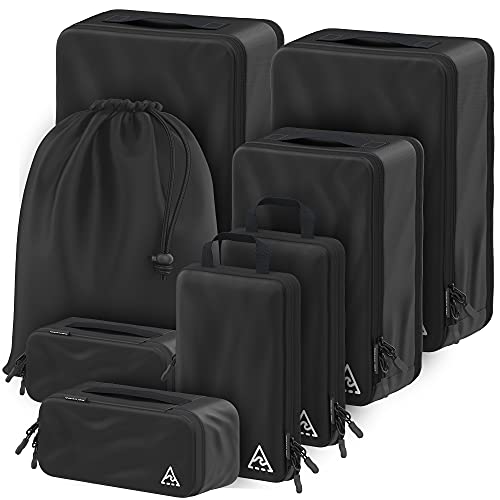
Pack light, because you will be dragging your suitcase through stations and on trains; a carry-on or small checked suitcase and a daypack is enough for most people. A compact umbrella, a power adapter for Japanese plugs, and a lightweight packable day bag you can grab from Amazon before the trip will earn their keep every single day.
Is Japan Safe For Tourists?
“Is Japan safe?” is usually one of the first questions people ask before booking a long trip. The short answer is that Japan is one of the safest countries you can visit, especially for first-time travelers and solo travelers.
You will feel comfortable walking around areas at night, including Tokyo, Osaka, and Kyoto. While it’s very unlikely anything bad will happen, normal city common sense still applies. Keep your valuables zipped up on packed trains, avoid leaving your phone on café tables, and ignore anyone aggressively trying to pull you into bars or clubs in nightlife districts.
Trains run late, and you will often be heading home on the subway or JR lines instead of rideshare, so check last train times for your line each night.
Tap water is safe to drink, street food is generally handled carefully, and food poisoning is not a big concern if you stick to normal hygiene and avoid raw items you are not comfortable with.

Airline Miles and Hotel Points 101
We share tips and tricks for credit card points and miles. These tools help us save money on our trips around the world by allowing us to accumulate airline and hotel points.
How To Get Around Japan In 28 Days
Figuring out how to get around Japan is what turns a one-month in Japan itinerary from stressful into manageable. Trains do most of the heavy lifting, with regional passes, the nationwide Japan Rail Pass, and IC cards covering the rest.
The Japan Rail Pass comes in 7, 14, and 21-day versions, with current prices for the ordinary pass at roughly 50,000, 80,000, and 100,000 yen for adults. With the big price increase in recent years, many people now find that a shorter JR Pass plus a few point-to-point Shinkansen tickets costs less than a full 21-day pass. For this itinerary, a common approach is to time a 7- or 14-day JR Pass to cover your longest hops (Tokyo to the Alps, on to Kansai, Hiroshima, and Fukuoka) and buy regular tickets for the lighter segments. In the Kansai region, JR-West’s Kansai Area Pass gives unlimited rides on JR West trains and the Kansai-Airport Express Haruka between Osaka, Kyoto, Kobe, Nara, Himeji, and other hubs, which can be an excellent value during your Kyoto–Osaka days.
Inside cities, IC cards like Suica, PASMO, and ICOCA let you tap on and off most trains, subways, and many buses without thinking about fares. You load them at machines or convenience stores and just keep an eye on the balance. Long-distance buses and domestic flights can plug gaps if you want to add Hokkaido or Okinawa, but the high-speed rail network is so reliable that most people stick to trains.
For complicated day trips or when you are tired of logistics, this is where guided Japan tours through Viator or GetYourGuide can be worth the money, especially for Mt Fuji day trips, food tours, or Hiroshima and Miyajima combos.
Best Japan Tours And Day Trips For A One-Month Itinerary
Japan tours can take the pressure off complicated logistics days in a one-month Japan itinerary. Small group tours also help if you want deeper context at temples, food spots, or historic sites without reading a guidebook the whole time.
If you like structure, consider booking a guided Tokyo night food tour during your first or second evening, a day trip to Nikko or Mt Fuji, and a Hiroshima and Miyajima combination tour. Platforms like Viator and GetYourGuide list dozens of Japan tours ranging from simple walking tours to full-day bus trips, and many include your transport, guide, and admission in one price. These are most useful on days where transit is fussy or when the story matters as much as the sights like Mt Fuji days with multiple bus legs, Nikko with scattered shrines, or Hiroshima, where context helps you process the museum.
Hotels in Japan: Booking to Fit this One-Month in Japan Itinerary
Here’s a quick Japan hotel-booking cheat sheet that matches our one-month Japan itinerary:
Tokyo – first stay (6 nights): Book near Shinjuku Station for easy airport access, JR Yamanote Line trains, and simple connections to Asakusa, Akihabara, Shibuya, and Odaiba.
Hakone (1 night): Book in Hakone-Yumoto or Gora so you are close to the Hakone loop transport, onsens, and ryokan-style stays.
Takayama (2 nights): Book near Takayama Station or in the Old Town area so you can walk to the morning markets and preserved streets.
Kanazawa (1 night): Book near Kanazawa Station for fast arrival/departure and an easy bus hop or walk to Omicho Market, Kenrokuen, and the castle.
Kyoto (5 nights): Book in central Kyoto around Kawaramachi/Shijo or Gion/Higashiyama so you can walk to old streets and have simple bus/train links to Fushimi Inari, Arashiyama, and Nara.
Osaka (4 nights): Book near Namba or Shinsaibashi for fast access to Dotonbori, Shinsaibashi Arcade, direct trains to Universal Studios Japan, and JR lines toward Himeji.
Hiroshima (2 nights): Book near Hondori/Peace Memorial Park or Hiroshima Station; Hondori puts you close to the museum, park, and shopping arcades, while the station makes Miyajima day-trip trains very easy.
Fukuoka (2 nights): Book near Hakata Station for quick Shinkansen access, airport access, and simple city transport to Canal City, Nakasu yatai, Ohori Park, and Tenjin.
Tokyo – second stay (4 nights): Book in Shibuya for easy neighborhood-hopping and nightlife, or Ginza for polished shopping and fast runs to Tokyo Station, Fuji/Kamakura day trips, and the airport trains.

Check out our other posts about things to see and do in Japan!
Or visit our Destinations page to be inspired.
One Month In Japan Itinerary: Day By Day Breakdown
A one-month in Japan itinerary can spiral out of control if you hop too much. This 28-day plan keeps a fast but realistic pace: 6 days based in Tokyo, 4 days in the Alps, 5 days in Kyoto, 4 days in Osaka with side trips, 3 days in Hiroshima and Miyajima, 2 days in Fukuoka, and 4 final days back in Tokyo.
One Month In Japan Day 1: 5 Days In Tokyo Itinerary Day 1 – Tokyo Arrival And Shinjuku
Your first day of this 5-days in Tokyo itinerary is all about landing, finding Shinjuku, and getting your body used to Japan’s time zone. Keep it simple: airport train, hotel, daylight, a garden, and an easy first-night view over the city.
Suggested timing:
09:00 – Land at Haneda or Narita and ride the train or limousine bus into Shinjuku.
12:00 – Drop bags at your hotel, eat a simple lunch near Shinjuku Station, and pick up an IC card if you need one.
15:00 – Walk through Shinjuku Gyoen to get some daylight and movement.
18:30 – Head to a free Shinjuku viewpoint like the Tokyo Metropolitan Government Building if it is open.
20:00 – Dinner in Shinjuku, then back to the hotel before you hit the wall.

Shinjuku Arrival
Shinjuku is a lot on day one, and that is the point—you get an instant hit of neon signs, crowds, and multiple train lines crossing in one place. Use this day to learn which station exits lead back to your hotel, where the nearest convenience store and ATM are, and how to read the basic train signage. Grab a quick lunch at a ramen counter, curry shop, or chain restaurant where you order at a ticket machine so you do not have to think too hard about communication yet. In the late afternoon, if you have the energy, head toward the Tokyo Metropolitan Government Building or another free view to see how massive Tokyo is and to remind yourself why you came all this way. Once you see the city from above, the chaos around the station feels a bit less random because you can picture how the neighborhoods fit together. If you want extra handholding on this first day, a short evening food tour booked through a platform like Viator or GetYourGuide can introduce you to yakitori alleys and bar etiquette without having to figure it out alone.
Shinjuku Gyoen National Garden
Map: Google Maps
Website: Link
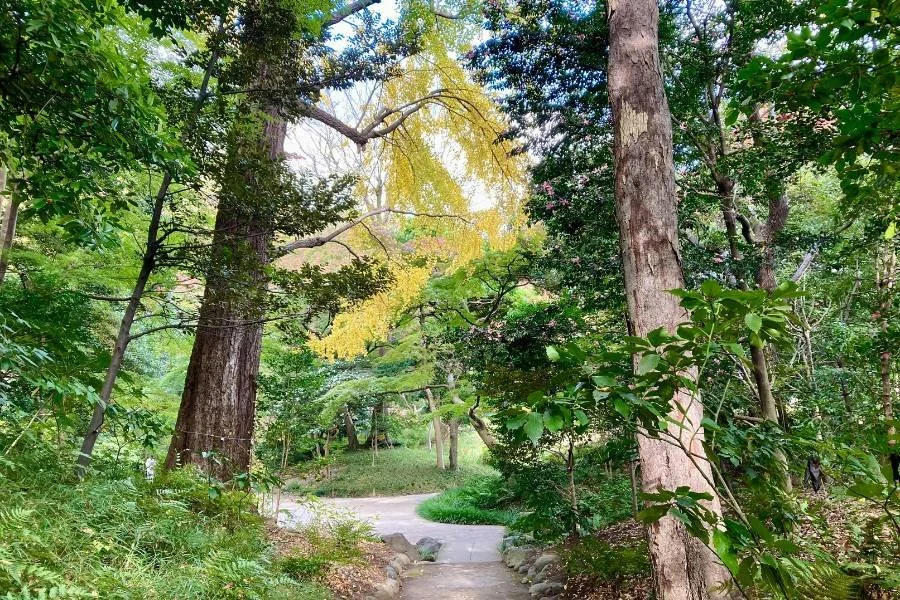
Shinjuku Gyoen is your jet lag fix: fresh air, long paths, and enough space that you can move without thinking about crowds. The park mixes Japanese-style landscaping with open lawns and a greenhouse, so you can design your own loop depending on how tired you are. Cherry blossom season gets crowded, but most of the year you can wander the paths and just watch how locals use the park to break up their workday. It is an easy way to reset your eyes after staring at screens and airplane walls, and the walking helps your body understand that it is daytime now, not whatever time your home city thinks it is. Bring water, wear comfortable shoes, and do not overcomplicate it—once you have made a loop and grabbed a couple of photos, you have done enough for day one.
One Month In Japan Day 2: 5 Days In Tokyo Itinerary Day 2 – Asakusa, Senso-ji And Tokyo Skytree
Day two of your 5-days in Tokyo itinerary leans into older streets and big views. You start in Asakusa at Senso-ji, then jump over to Tokyo Skytree for shopping and another high-rise look at the city.
Suggested timing:
09:00 – Take the subway to Asakusa Station and walk toward Senso-ji.
10:00 – Explore Senso-ji and Nakamise shopping street.
13:00 – Lunch at a small tempura, soba, or okonomiyaki shop nearby.
15:00 – Short train ride or walk to Tokyo Skytree.
17:00 – Late afternoon and evening at Skytree for views and shopping.

Asakusa And Senso-ji
Map: Google Maps
Website: Link
Asakusa feels older and lower to the ground than Shinjuku, with Senso-ji temple at its core and Nakamise Street lined with snack stands and souvenir shops. You walk through the Kaminarimon gate, grab a quick look at the giant lantern, and then let yourself be pulled along the main street toward the main hall. Vendors sell everything from rice crackers and sweet pastries to folding fans and chopsticks, and prices vary enough that it pays to walk the full length before buying.
At the temple, you can try the incense, watch visitors draw fortunes, and step into the main hall as long as you move with the flow and keep your voice down. Once you have seen the central buildings, it is worth ducking into side streets behind the temple where the tourist crush eases off a bit, and you find smaller shops and quieter corners. If you want a deeper explanation of what you are seeing, this is a good spot to use a guided walking tour so somebody else handles the storytelling.

Tokyo Skytree
Map: Google Maps
Website: Link
Tickets: Viator, GetYourGuide
Tip: Read our Full Guide To the Tokyo Skytree.
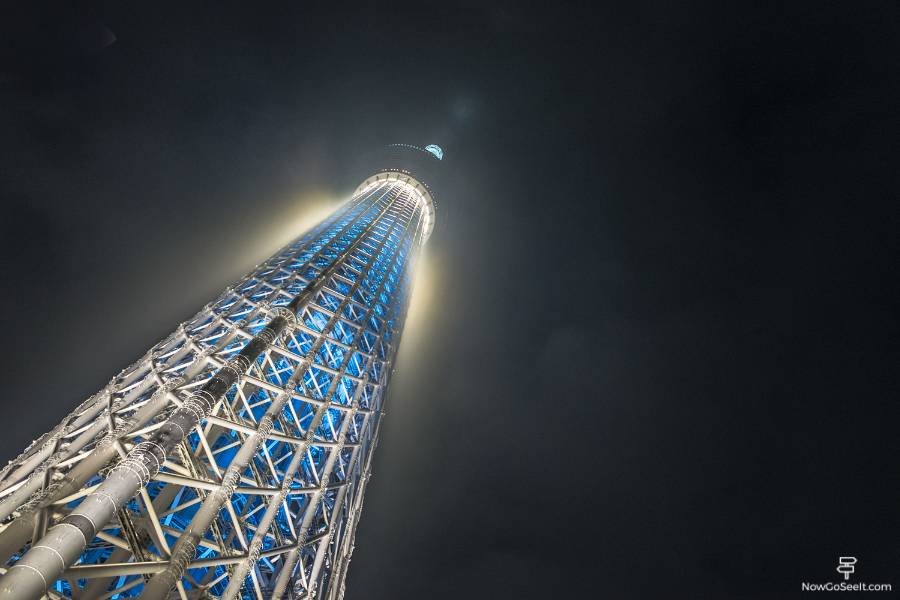
Tokyo Skytree dominates the skyline in this part of the city, and the attached complex is basically a vertical mall with an observation tower attached. The base has a big shopping center with character goods, clothing, lifestyle stores, and casual restaurants, so it works as a place to grab lunch, snacks, or gifts that are easy to pack. The tower itself has paid decks with timed tickets; on clear days, you get views that stretch across Tokyo and out toward the bay, while cloudy days can feel more abstract but still give you a sense of scale. Book ahead when possible, especially in peak seasons and on weekends, to avoid wasting time in day-of lines. If you are traveling with kids or anyone who gets bored easily, the Skytree complex works well because there is always something to look at or buy, even if attention spans are short.
One Month In Japan Day 3: 5 Days In Tokyo Itinerary Day 3 – Harajuku, Meiji Jingu and Shibuya
Day three of your Tokyo section mixes a major shrine, youth fashion, and one of the world’s busiest crossings. You start at Meiji Jingu, roll through Harajuku, and finish at Shibuya.
Suggested timing:
09:00 – JR Yamanote Line to Harajuku Station and walk into Meiji Jingu.
11:30 – Takeshita Street for fashion, crepes, and people-watching.
14:00 – Walk or ride one stop to Shibuya.
16:00 – Shibuya Crossing, Hachiko statue, and a viewpoint like Shibuya Scramble Square.
19:00 – Dinner in Shibuya or nearby Ebisu.
Meiji Jingu Shrine And Harajuku
Map: Google Maps
Website: Link
Tip: Read Our Full Guide to Meiji Jingu and Takeshita Dori.
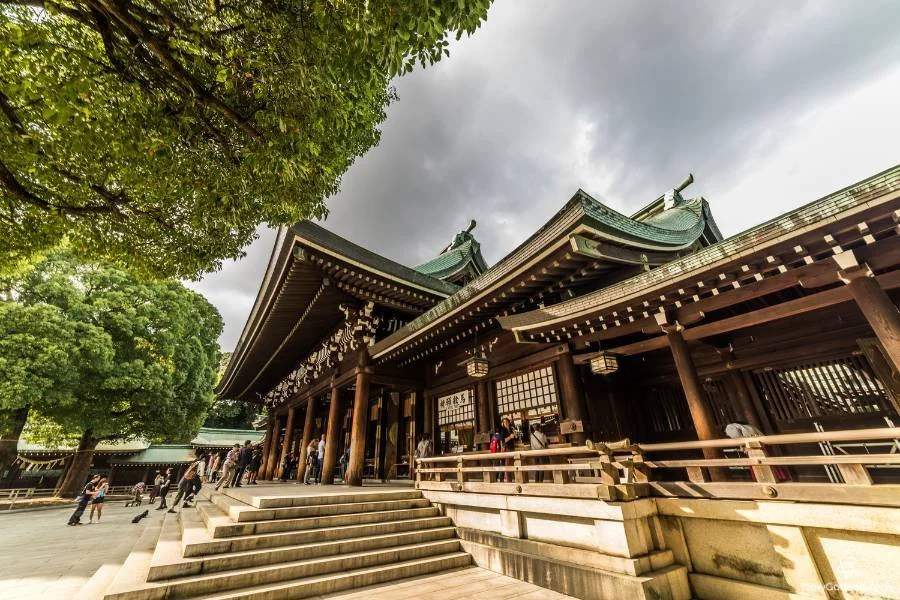
Meiji Jingu sits behind Harajuku Station in a large wooded park, which is why it feels like a sharp reset after the train. The long gravel pathway, tall torii gates, and wide courtyard give you more breathing room than most city shrines, even when it is busy. You may see weddings, school groups, or rituals happening around the main hall; you are welcome to watch from a distance as long as you do not block movement or shove a camera where it does not belong. After you finish at the shrine, you swing back through Harajuku, where Takeshita Street hits you with teen clothing boutiques, themed cafés, and dessert shops trying to outdo each other. The main street can feel packed, so step into side alleys if you need a break or look for quieter cafés a block away from the crush. Between the shrine and Harajuku, you cover a wide range of what Tokyo looks like in a single loop.

Shibuya Crossing And Hachiko
Map: Google Maps
Website: Link
Shibuya Crossing is exactly what it looks like online: a massive diagonal crosswalk that empties and refills in waves every time the light changes. You exit Shibuya Station near the Hachiko statue, watch the flow for a cycle or two, then join the crowd when the light turns green. After that, head into one of the higher-up cafés or viewpoints around the intersection to look down on the pattern and grab some video if you are filming for Insta. The Hachiko statue itself is a small bronze dog surrounded by people taking photos; treat it as a quick stop, not a destination. From there, you can explore Shibuya’s streets, duck into department stores and smaller shops, and eventually find dinner at an izakaya, ramen shop, or yakitori place in the back alleys. Shibuya is also a good neighborhood to base in for your last Tokyo nights later in the trip if you like being in the middle of things.
One Month In Japan Day 4: 5 Days In Tokyo Itinerary Day 4 – Akihabara And Ueno
Day four adds Akihabara for electronics and anime culture, then swings up to Ueno for parks and museums. It is a good mix for travelers who like both gadgets and galleries.
Suggested timing:
09:00 – JR Yamanote Line to Akihabara.
12:00 – Lunch in Akihabara.
14:00 – Train to Ueno and explore Ueno Park.
16:00 – Pick one museum in Ueno Park.
18:30 – Ameyoko market street and dinner before heading back.

Akihabara
Map: Google Maps
Akihabara is where you go if you care about gaming, anime, manga, figures, or electronics, and it is easy to lose half a day here if that describes you. Big electronics stores carry cameras, lenses, memory cards, and travel power gear, along with floors of small gadgets and appliances. Multi-level arcades are packed with claw machines and rhythm games, while specialty shops sell retro game cartridges, trading cards, and shelves of figures. Maid cafés are part of the scenery; if you go into one, read the rules before you sit down so you know what is and is not allowed. If this scene is not your thing, you can still pop through for an hour or two to understand why so many people build Akihabara into their Japan plans.

Ueno Park And Ameyoko
Map: Google Maps
Website: Link
Ueno Park sits on a hill above the station and anchors a cluster of big museums and a zoo. You are not going to see everything in one afternoon, so pick one main target: Tokyo National Museum for art and history, the National Museum of Nature and Science if you like science and natural history, or the Ueno Zoo if you are traveling with kids and want something more straightforward. Outside the buildings, the park paths fill with food stalls during busy seasons, and cherry trees line parts of the central walkway. When you are done, drop down into Ameyoko, the narrow market street that runs along the tracks with stalls selling fruit, spices, snacks, clothing, and cosmetics. It is a solid place to grab a casual dinner or snack your way through a few stands before heading back toward Shinjuku.
One Month In Japan Day 5: 5 Days In Tokyo Itinerary Day 5 – Odaiba And teamLab
Day five of the Tokyo block gives your legs a bit of a break with more indoor time, modern bay views, and one of Tokyo’s most talked-about digital art experiences. You spend the day between Odaiba and a teamLab museum.
Suggested timing:
09:00 – Ride the Yurikamome line out to Odaiba.
10:00 – Explore Odaiba’s malls and bayfront areas.
14:00 – Head to teamLab Borderless in Azabudai Hills or teamLab Planets in Toyosu, depending on your ticket.
18:00 – Dinner near your teamLab location and back to the hotel.
Odaiba And Tokyo Bay
Map: Google Maps
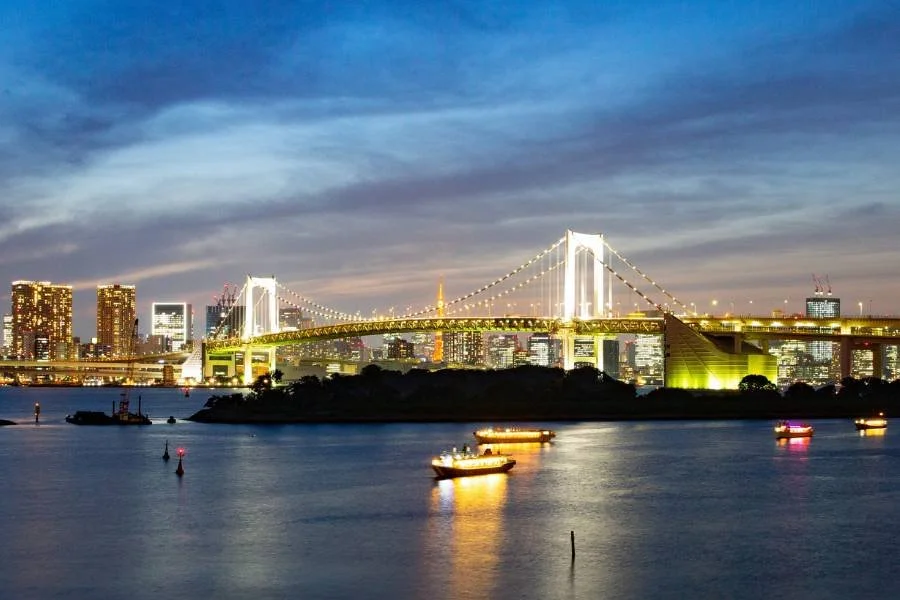
Odaiba is a man-made island district with big malls, indoor attractions, and some of the better Tokyo Bay views you can get without leaving the city. The driverless Yurikamome line ride over Rainbow Bridge is half the fun, especially if you snag a front-row seat. Once you arrive, you can wander the connected malls, check out the life-size Gundam statue at DiverCity, and walk the waterfront path if the weather is decent. The whole area leans touristy and commercial, but that can be a relief after a couple of dense walking days in more historic districts. It is also a soft landing if you are traveling with people who need easy food options and familiar brands mixed in with their sightseeing.
teamLab Borderless Or teamLab Planets
Map: Google Maps (Planets); Google Maps (Borderless)
Website: Borderless, Planets
Tickets: Viator, GetYourGuide
Tokyo has teamLab Borderless in Azabudai Hills and teamLab Planets in Toyosu, and both are very popular for good reason. Borderless is a multi-level space of interconnected digital artworks that flow between rooms, with no set route and pieces that respond to people moving through them. Planets has you walking barefoot through shallow water and mirrored rooms as part of a body-immersive concept, and it recently expanded with a Forest area, adding more interactive experiences. Both use timed tickets, and popular times sell out, so you should buy online well before your travel dates through the official site or a trusted reseller. Plan at least two to three hours inside and wear clothing you will not mind having under blacklight or reflected in mirrors. This is a day where paying for a good experience is worth it, so do not be shy about locking in tickets once you know your dates.
One Month In Japan Day 6: Nikko Day Trip From Tokyo
Your sixth Tokyo-based day jumps out of the city to Nikko for ornate shrines and cooler mountain air. It is one of the best one-day trips from Tokyo for first-timers. Book a guided tour if you’re looking for a break from navigating Japan on your own.
Suggested timing:
08:00 – Limited express train toward Nikko.
11:00 – Bus from Nikko Station to the main shrine area.
11:30 – Toshogu Shrine and nearby sites.
15:30 – Bus back to the station and train to Tokyo.
19:00 – Dinner near your Tokyo hotel.
Nikko Toshogu Shrine
Map: Google Maps
Website: Link
Tickets: Viator, GetYourGuide
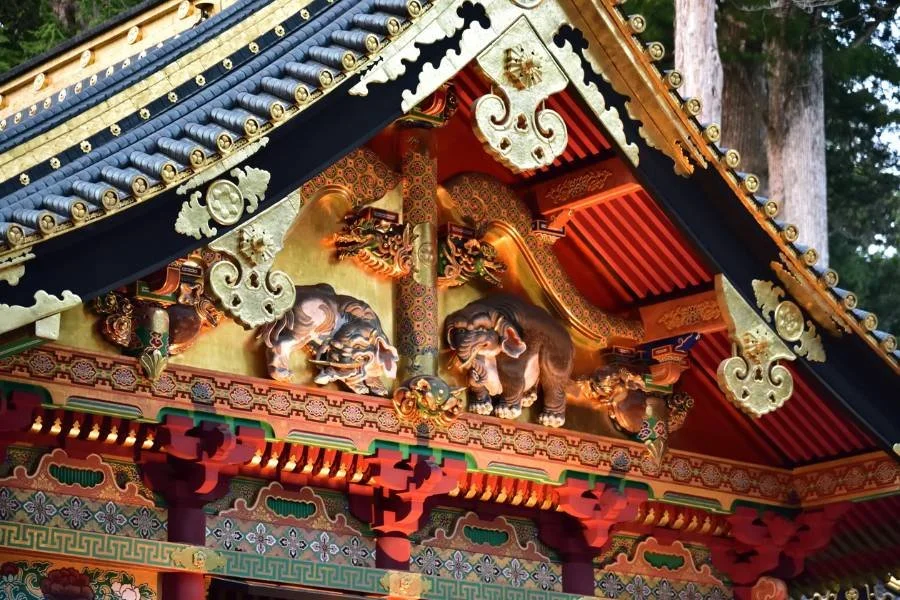
Toshogu Shrine is where Tokugawa Ieyasu is enshrined, and the complex does not do subtle. Buildings are covered in detailed carvings, gold leaf, and bright colors, and there are multiple layers of steps and small courtyards to work through. The famous “see no evil, hear no evil, speak no evil” monkeys are here, along with plenty of other carvings that guides and guidebooks like to point out. The path to the inner portions involves stairs, so this is not the easiest day for anyone with mobility issues, but you can still see a lot from the lower sections. Because there are so many tour groups, it pays to move to slightly less obvious corners of the complex when you need a breather. Nearby, you can add Rinno-ji and Futarasan Shrine if your energy and timing allow.

Central Nikko
Map: Google Maps
Tickets: Viator, GetYourGuide
Beyond the core shrine complex, central Nikko has enough going on that you can fill the rest of your day without stress. A loop through the forested paths and bridges near Shinkyo Bridge gives you some river views, while small cafés and sweet shops offer simple lunches and snacks. The town center has souvenir stores with more regionally focused items than you will find in Tokyo, so this can be a good place to pick up a couple of practical gifts. Trains back to Tokyo run regularly, but you do not want to miss the limited express you planned around, so watch the clock when you sit down for that last coffee. If you do not feel like fussing with train schedules or buses, it may be easier to book a Nikko day tour through Viator or GetYourGuide from Tokyo and let someone else hold the clipboard.
One Month In Japan Day 7: Tokyo To Hakone Onsen Getaway
Day seven moves you out of Tokyo and into Hakone for hot springs, mountain views, and a change of pace. You will only spend one night here, so keep the bag light.
Suggested timing:
09:00 – Check out of your Tokyo hotel and take a Shinkansen or Romancecar toward Hakone (Odawara).
11:30 – Transfer to local transport and head into the Hakone area.
13:00 – Check into your ryokan or hotel and eat lunch.
15:00 – Do part of the Hakone loop.
19:00 – Onsen time and dinner.

Hakone Loop
Map: Google Maps
Tickets: Viator, GetYourGuide
Hakone’s big draw is the mix of mountain views, Lake Ashi, and hot springs, all connected by a loop of trains, cable cars, ropeways, and boats. The classic circuit runs from Hakone-Yumoto up to Gora, then across by ropeway toward Owakudani’s sulfur vents and down to the lake for a boat ride, but you can trim or rearrange segments depending on energy and weather. On clear days, you may see Mt Fuji from parts of the loop; on cloudy days, you will get misty hills and a lot of changing light instead. The Hakone Freepass can save money if you do several legs, and stations are used to visitors, so signage is clear. This is a day where you should not chase every single viewpoint; pick a few, enjoy them, and then let yourself get back to the ryokan in time to hit the baths before dinner.
Hakone Onsen Ryokan
Spending a night in a Hakone ryokan is as much an activity as the loop itself. Many ryokan include set dinner and breakfast in your room rate, and most have onsen baths either in-room, shared, or both. Read the bathing rules carefully if you are new to hot springs—no swimsuits, rinse before you get in, and keep towels out of the water. The goal here is to slow down: soak, nap, eat, and repeat. If your budget does not stretch to a traditional ryokan, Hakone also has regular hotels and more casual onsens, but one night in a full package ryokan during a month-long itinerary can anchor the whole trip.
One Month In Japan Day 8: Hakone To Takayama In The Japanese Alps
Day eight sends you north into the Japanese Alps and drops you into Takayama, a smaller town with preserved streets and a different rhythm from the big cities.
Suggested timing:
09:00 – Breakfast and a final onsen soak in Hakone.
11:00 – Train from Odawara to Nagoya.
14:00 – Limited express train from Nagoya to Takayama.
17:00 – Check into your Takayama hotel and take a short evening walk.

Takayama Old Town Evening
Map: Google Maps
Tickets: Viator, GetYourGuide
Takayama’s old town area is compact and easy to understand at a glance, which is a relief after the transfers it takes to get there. Wooden merchant houses line a few main streets, some operating as sake breweries and others as shops or small museums. In the evening, many buses have gone and day trippers have cleared out, leaving you with a more relaxed version of the town. This is a good time to walk the main streets, peek into shop windows, and get a sense of where you want to focus tomorrow. Dinner might be Hida beef at a grill-your-own spot, ramen at a local shop, or simple set meals at a family-run restaurant. After a long train day, call it a night earlier than usual.
One Month In Japan Day 9: Takayama Old Town And Morning Markets
Day nine keeps you in Takayama for markets, old streets, and, if you want it, a visit to Hida Folk Village. It is a slower day that still covers plenty.
Suggested timing:
08:00 – Morning markets along the river and near the old town.
10:00 – Explore the old town in daylight.
14:00 – Optional visit to Hida Folk Village.
18:30 – Dinner and pack for tomorrow.
Takayama Morning Markets
Map: Google Maps (Miyagawa), Google Maps (Jinya-mae)
Website: Link
The morning markets feel local in a way that city markets sometimes do not. Vendors sell seasonal produce, pickles, rice crackers, and small handmade goods, and the pace is calm compared with Tokyo’s bigger food markets. You can buy a single snack to try instead of a full bag if you are worried about overloading your luggage this early in the trip. There are two daily morning markets to seek out the Miyagawa Market and the Jinya-mae Market. The river nearby gives the whole area a clear spine, which makes it hard to get lost even if you wander a bit. After the markets, loop straight into old town while shops open and tour buses arrive, so you see how the place shifts from waking up to being fully active.

Hida Folk Village
Map: Google Maps
Website: Link
Tickets: Viator
Hida Folk Village, a short bus ride from central Takayama, is an outdoor collection of traditional farmhouses from around the region. The steep thatched roofs and wooden interiors show how people built for snow-heavy winters, and interiors display tools, hearths, and workspaces you will not see in city museums. Paths can be uneven, and in winter you will need solid shoes and warm layers, but the payoff is that the setting feels lived-in rather than polished. If you are not planning to go to Shirakawa-go, Hida Folk Village gives you a good sense of that architectural style; if you are visiting both, treat this as a warm-up. It is easy to spend an hour or two here without noticing the time.
One Month In Japan Day 10: Shirakawa-go And Kanazawa
Day ten moves you by bus through Shirakawa-go and on to Kanazawa for gardens and samurai streets. It is a long but satisfying travel day.
Suggested timing:
09:00 – Bus from Takayama to Shirakawa-go.
11:00 – Explore Shirakawa-go village.
14:00 – Bus to Kanazawa.
17:00 – Check into Kanazawa hotel and dinner near the station or in the center.

Shirakawa-go
Map: Google Maps
Tickets: GetYourGuide
Shirakawa-go is one of the most photographed villages in Japan because of its gassho-zukuri farmhouses with sharply angled thatched roofs. The main village area is walkable, with footpaths linking houses that operate as museums, guesthouses, and shops. You can climb up to a viewpoint for a wide shot of the roofs and surrounding mountains, then come back down and explore at street level. It does get crowded during peak seasons and on weekends, and this is still a living village, so you need to stay on paths and avoid wandering into people’s yards for photos. Snow in winter or vivid greens in summer change the feel, but the basic layout is the same year-round. Once you have covered the core streets and a couple of house interiors, you board the bus again and let the scenery roll past the windows on the way to Kanazawa.

Kanazawa Evening
Map: Google Maps
By the time you reach Kanazawa, you will not have energy for a full sightseeing session, but you will have enough left for a short night loop. The area around Kanazawa Station has modern hotels, restaurants, and shops, and the big wooden gate outside the station is worth a look. If you want to stretch your legs more, take a quick tram or bus toward Katamachi or the Nagamachi samurai district and do a short walk before dinner. Kanazawa’s food scene leans heavily on seafood from the Sea of Japan, so this can be a good night for sushi or kaisen-don if that fits your budget and taste. Head back early so you are fresh for Kenrokuen tomorrow.
One Month In Japan Day 11: Kanazawa To Kyoto Travel Day
Day eleven finishes Kanazawa in the morning and then runs you down to Kyoto by train in the afternoon. It is a partly sightseeing, partly transit day.
Suggested timing:
09:00 – Omicho Market for breakfast or early lunch.
11:00 – Kenrokuen Garden and castle area.
14:00 – Train from Kanazawa to Kyoto.
16:30 – Check into Kyoto hotel.

Omicho Market
Map: Google Maps
Website: Link
Tickets: Viator, GetYourGuide
Omicho Market is Kanazawa’s main food market and a good way to start the day, especially if you are willing to eat seafood for breakfast or brunch. Stalls and small restaurants serve sushi, sashimi bowls, grilled skewers, and croquettes, alongside fruit, vegetables, and pantry goods. Walk a full loop before picking a restaurant; look for menus with clear pricing and some local customers. If you are not in the mood for raw fish, there are still plenty of cooked options and bakeries around the edges of the market. It is also a solid place to buy packaged snacks to carry into Kyoto for the afternoon train.
Kenrokuen Garden And Kanazawa Castle
Map: Google Maps
Website: Link
Tickets: Viator
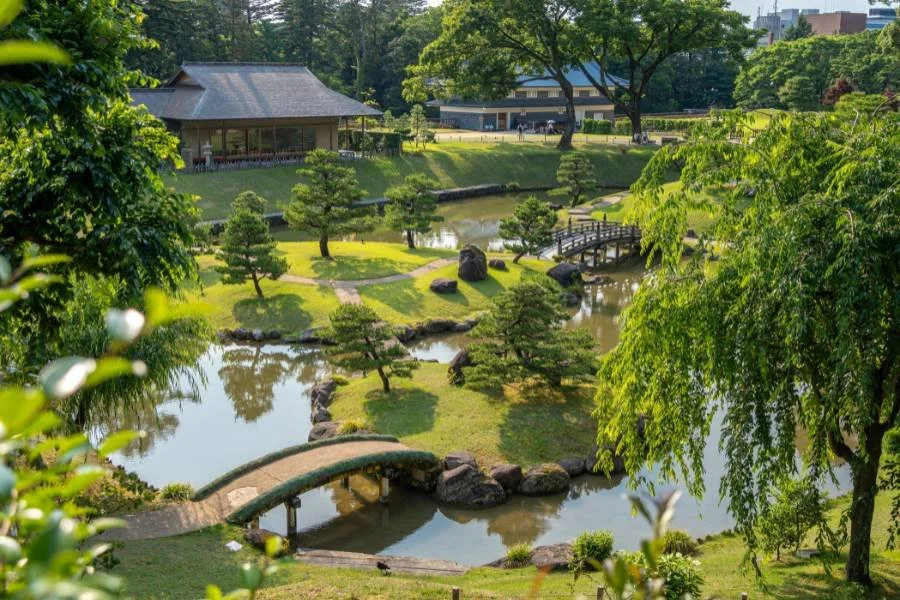
Kenrokuen is one of Japan’s famous landscape gardens and sits across the road from Kanazawa Castle, so you can see both in one focused block of time. The garden has ponds, footpaths, teahouses, and carefully shaped trees, and the layout is designed so you get different views as you circle through. Even if you are not a garden person, it is easy to appreciate the amount of work that goes into maintaining the place, especially in winter when branches are supported by ropes. Across the way, Kanazawa Castle offers wide grounds, reconstructed buildings, and a sense of how the city fit into older power structures. After you finish, you head for the station and let the train carry you to Kyoto.
One Month In Japan Day 12: 5 Days In Kyoto Itinerary Day 1 – Higashiyama And Kiyomizu-dera
Day twelve kicks off 5 days in Kyoto with the Higashiyama district and Kiyomizu-dera, plus the famous lanes of Sannen-zaka and Ninen-zaka. This is the Kyoto you have seen in photos.
Suggested timing:
09:00 – Start at Kiyomizu-dera.
11:00 – Walk down through Sannen-zaka and Ninen-zaka.
14:00 – Explore more of Higashiyama’s back streets.
18:00 – Early dinner and, in season, optional night illumination if available.
Tip: Check out our full Kyoto Guide

Kiyomizu-dera And Higashiyama
Map: Google Maps
Website: Link
Kiyomizu-dera sits on a hillside overlooking Kyoto and gives you an elevated view of the city framed by temple buildings. The approach is a gradual climb past souvenir shops until you reach the main gate and then the wooden terrace. Inside, you loop through halls and side paths, passing smaller shrines and viewpoints along the way. During spring and autumn peak weeks, it can feel packed, but even then, the setting is strong enough to make the effort worth it. Once you exit, you walk down into Higashiyama’s streets, where traditional wooden façades, tea shops, and souvenir stands keep the mood going. This zone is where you will spend a lot of your money on smaller gifts if you are not careful, because nearly every shop feels tempting.

Sannen-zaka And Ninen-zaka
Map: Google Maps
Sannen-zaka and Ninen-zaka are the two sloped streets you see again and again in Kyoto photos, with stone pavement, tiled roofs, and shop signs stacked tightly along the way. The stairs can be steep and uneven, so you need good shoes and at least basic mobility, but the payoff is a strong sense of place. Shops sell sweets, pottery, tea, chopsticks, and higher-end crafts alongside the usual tourist items, and prices vary widely. If you want quiet photos, you need to be here in the early morning or late at night; midday is pure crowd management. Keep an eye out for side alleys and smaller paths leading to quieter corners and small temples where you can catch your breath. Once you reach the bottom, you can cut over to other parts of Higashiyama or head back toward central Kyoto.
One Month In Japan Day 13: 5 Days In Kyoto Itinerary Day 2 – Fushimi Inari And Gion
Day thirteen lines up Fushimi Inari’s torii gates in the morning and Gion’s lantern-lit alleys in the evening. In between, you can rest or explore downtown Kyoto.
Suggested timing:
08:00 – Train to Fushimi Inari.
08:30 – Hike part of the torii gate path.
12:00 – Lunch near Fushimi or back in central Kyoto.
17:00 – Evening walk in Gion and Pontocho.
Fushimi Inari Taisha
Map: Google Maps
Website: Link
Fushimi Inari is one of Japan’s most recognizable sights thanks to the long tunnel of orange-red torii gates that climb the hillside. The shrine complex at the base has the main hall and fox statues, but the real draw is the path of gates leading up. Crowds thin out as you climb, and you do not have to reach the summit to feel like you got the experience—many people go to one of the middle viewpoints and turn around. The trail includes stairs, switchbacks, and some steeper sections, and it can be humid in warmer months, so this is best done in the relative cool of the morning. Along the way, you pass small shrines, stone markers, and lookouts that break up the climb. It is free and open day and night, which is why early and late visits can feel better than the midday crush.

Gion And Pontocho
Map: Google Maps
Gion and nearby Pontocho are Kyoto’s best-known geisha districts, with narrow lanes, wooden buildings, and lanterns lighting the doors of teahouses and restaurants. You are not guaranteed to see a geiko or maiko, and if you do, you need to give them space instead of chasing after them with a smartphone. Recent rules crack down on intrusive behavior, and fines are in place in some streets, so you have to treat this as a functioning neighborhood, not a theme park. Even without geisha sightings, the area is worth it for the architecture, the river views along the Kamo, and the range of restaurants. Food here runs from yakitori and hotpot to full kaiseki tasting menus, so you can match it to your budget. If you want a structured cultural evening, look for vetted shows or experiences through major booking platforms rather than paying cash to a random tout.
One Month In Japan Day 14: 5 Days In Kyoto Itinerary Day 3 – Arashiyama
Day fourteen keeps you inside Kyoto city limits but moves you to Arashiyama on the western edge for bamboo, temples, and river views.
Suggested timing:
09:00 – Train to Arashiyama.
09:30 – Bamboo grove and Tenryu-ji.
12:00 – Lunch near the river.
14:00 – Side streets, small temples, or Sagano Scenic Railway if you want it.
18:00 – Return to central Kyoto.

Arashiyama Bamboo Grove And Riverfront
Map: Google Maps
Website: Link
Arashiyama’s bamboo grove is short but intense: a narrow path with tall bamboo on each side and a constant flow of people. Going early helps a lot; later in the day, it can feel like a slow shuffle. Tenryu-ji, right next to the grove, has a well-known garden that gives you a calmer space to take in the scenery. After that, you walk toward Togetsukyo Bridge and the river, where rental boats and hills on the far side give you different angles for photos. The main streets around the station and river are packed with snack stands and shops selling sweets, souvenirs, and local products. If you want to go farther, the Sagano Scenic Railway offers a short train ride through a nearby valley with river views. You will not see every temple out here in one day, so pick a couple that interest you most and call it good.

We’re on YouTube!
The same great content without all the pesky reading!
One Month In Japan Day 15: 5 Days In Kyoto Itinerary Day 4 – Nara Day Trip
Day fifteen adds Nara to your Kyoto block for free-roaming deer, Todai-ji’s giant Buddha, and park time.
Suggested timing:
09:00 – Train from Kyoto to Nara.
10:00 – Walk through Nara Park toward Todai-ji.
11:00 – Visit Todai-ji.
13:00 – Lunch in Nara.
15:00 – Optional Kasuga Taisha or Kofuku-ji.
17:30 – Return to Kyoto.
Tip: Read our full Nara Day Trip Guide.

Nara Park And Todai-ji
Map: Google Maps
Website: Link
Tickets: Viator, GetYourGuide
Nara Park is famous for its semi-tame deer that wander the open areas and approach people who buy deer crackers from vendors. The animals can be pushy, so keep food out of reach until you are ready, and do not let kids wave crackers right in their faces. The walk from the station toward Todai-ji takes you through open lawns and tree-lined paths before you reach the massive main hall. Inside, the large bronze Buddha and surrounding statues are genuinely impressive, and the scale is hard to capture in photos. The hall can fill up with tour groups, but the flow is usually steady enough that you get space to look. Afterward, you can loop through nearby smaller temples, stop for a snack, or head back toward the station, depending on energy levels.
One Month In Japan Day 16: 5 Days In Kyoto Itinerary Day 5 – Kyoto To Osaka And Dotonbori
Day sixteen wraps Kyoto and moves you to Osaka, with an evening focused on Dotonbori’s lights and food.
Suggested timing:
09:00 – Check out of your Kyoto hotel.
10:00 – Short train ride to Osaka (Namba or Umeda area).
11:00 – Drop bags at your Osaka hotel.
14:00 – Walk Shinsaibashi shopping arcade.
17:00 – Dotonbori riverfront and dinner.
Tip: Read our full Osaka Guide.

Dotonbori And Shinsaibashi
Map: Google Maps
Website: Link
Dotonbori is the Osaka you see in travel videos: huge signs, animated crabs, and a river with neon reflected in the water at night. The Glico running man sign is the unofficial mascot of the area, and you will see people posing on the bridge for photos. Food options are everywhere, from takoyaki stands to okonomiyaki restaurants and kushikatsu skewers. Shinsaibashi, the long covered arcade just north, is lined with fashion chains, cosmetics shops, and smaller stores, and it works well for a slow walk in the afternoon before the Dotonbori lights fully kick in. If you want someone to guide you through the food scene and help with ordering, this is an excellent night for a small group food tour booked through a major platform.
One Month In Japan Day 17: 3 Days In Osaka Itinerary Day 2 – Shinsekai And Umeda
Day seventeen is your second full day in Osaka and pairs Shinsekai’s retro vibe with Umeda’s high-rise views.
Suggested timing:
09:00 – Head to Shinsekai and Tsutenkaku.
12:00 – Lunch in Shinsekai.
15:00 – Explore Umeda’s shops and underground malls.
18:00 – Umeda Sky Building or another observation deck.

Shinsekai
Map: Google Maps
Tickets: Viator, GetYourGuide
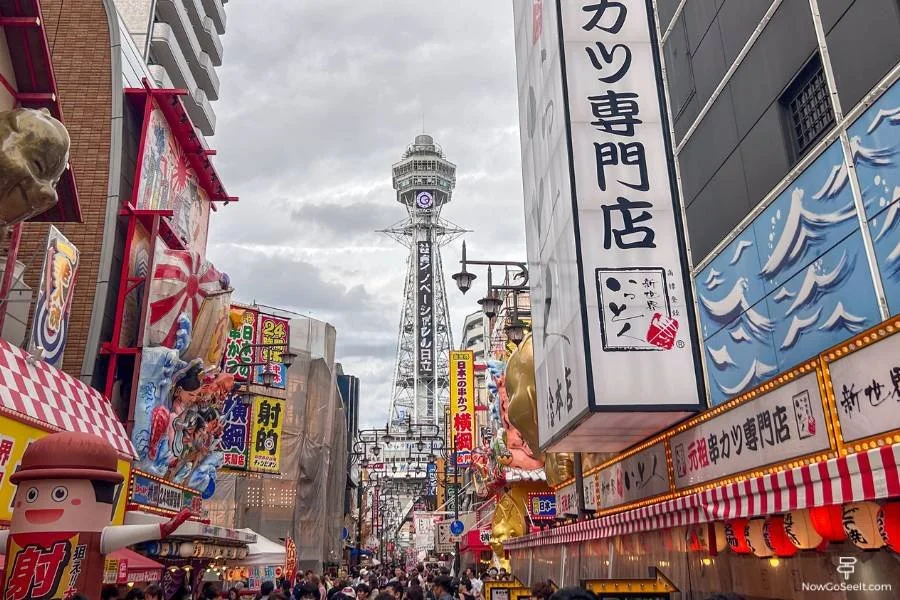
Shinsekai is an older entertainment district with Tsutenkaku Tower at its center and streets full of bold signs and kushikatsu shops. The area feels a bit rougher around the edges than Dotonbori, but that is part of why people come. Tsutenkaku’s observation deck gives a mid-height view over the city and can be a fun add-on if you have not had enough towers yet. Kushikatsu here is everywhere—skewers of meat, vegetables, and other items fried and dipped in sauce—with house rules about not double-dipping into the shared sauce container. This is more of a daytime and early evening area for most visitors; if you are not into late-night bar scenes, you will probably be done here by midafternoon.
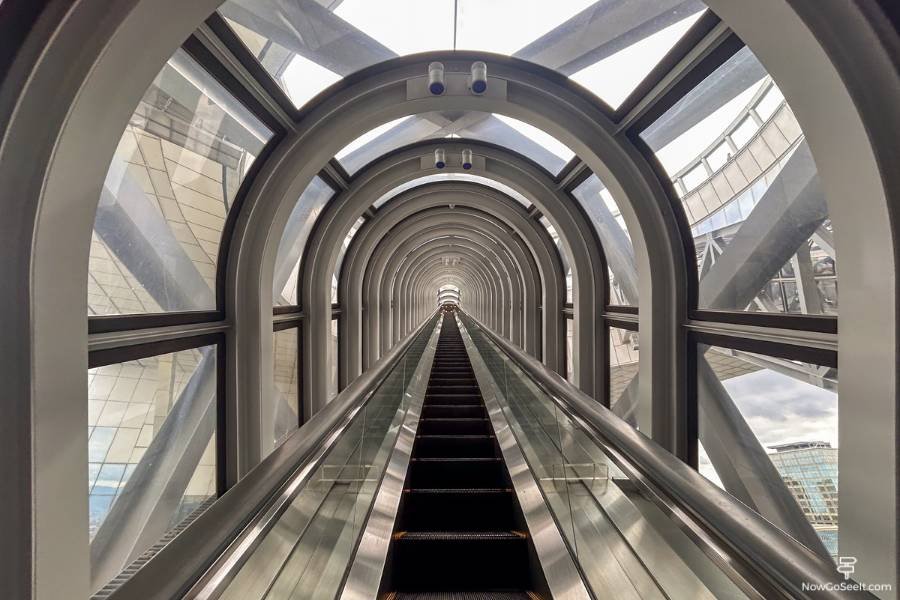
Umeda And Umeda Sky Building
Map: Google Maps
Website: Link
Tickets: Viator, GetYourGuide
Umeda, also called Kita, is Osaka’s northern downtown and main rail hub, with layers of shopping malls above and below ground. It is easy to get turned around in the underground passages, but everything is clean, well-lit, and packed with shops and food courts. If you still have a shopping list after Tokyo and Kyoto, you can knock out a lot of it here, especially electronics or clothing. The Umeda Sky Building’s Floating Garden Observatory is a short walk away and gives you a high, open-air view over Osaka that feels different from tower decks behind glass. Time your visit for late afternoon into evening so you see the city in two different lights. Afterward, pick a dinner spot in one of the malls or near the station so you do not have a long ride back to your hotel while half-asleep.
One Month In Japan Day 18: 3 Days In Osaka Itinerary Day 3 – Universal Studios Japan
Day eighteen is all theme park, all day. Universal Studios Japan is one of the headline attractions for a lot of travelers, especially Super Nintendo World fans.
Suggested timing:
08:00 – Arrive near park gates before opening.
09:00–18:00 – Full day inside Universal Studios Japan.
19:00 – Dinner at Universal CityWalk or back in central Osaka.
Tip: Read our Full Universal Studios Japan Guide.
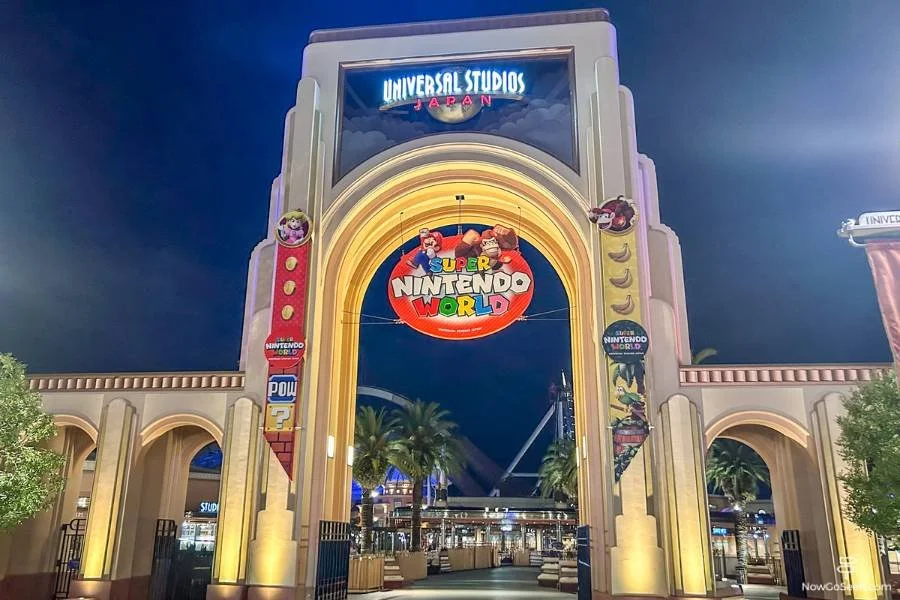
Universal Studios Japan
Map: Google Maps
Website: Link
Tickets: Viator, GetYourGuide
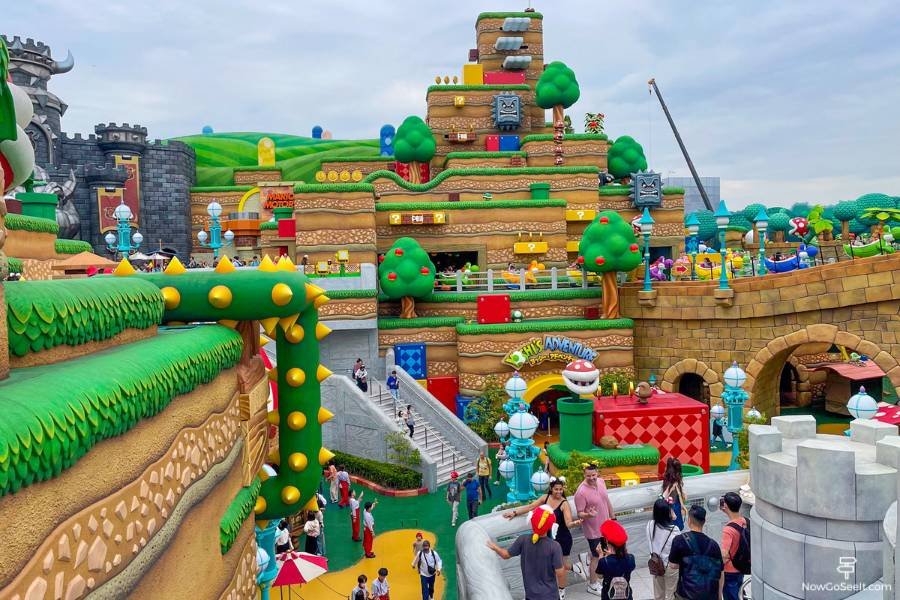
Universal Studios Japan runs on the same basic concept as its counterparts elsewhere, but with local twists and lands you will not find anywhere else. Super Nintendo World, in particular, pulls big crowds and usually requires timed entry plus long lines for Mario Kart and Yoshi rides if you do not have Express passes. The Wizarding World of Harry Potter is another major draw, along with seasonal events and overlays. Food inside the park is themed and not cheap, but part of the experience; you will almost certainly end up buying at least one character drink, snack, or souvenir. If you can afford it, look at Express Pass bundles to cut some of the worst waits; they are not cheap but can save hours. Booking tickets through reliable resellers or linked from platforms like Viator and GetYourGuide is fine as long as you read the fine print and understand how you receive your actual entry QR.
One Month In Japan Day 19: Himeji Castle Day Trip From Osaka
Day nineteen pulls you out of Osaka for one of Japan’s best castles, and an optional Kobe stop on the way back.
Suggested timing:
08:30 – Train from Osaka to Himeji.
10:00 – Himeji Castle.
13:00 – Koko-en Garden.
15:00 – Optional stop in Kobe.
19:00 – Back to Osaka.

Himeji Castle And Koko-en
Map: Google Maps
Website: Link
Tickets: Viator, GetYourGuide
Himeji Castle is a full castle complex with white walls, multiple baileys, and a main keep that requires climbing steep interior stairs. The approach from the station is straight and clear, and the castle looks impressive even from a distance. Inside the grounds, you follow a defined route that weaves through defensive layouts before you enter the main keep. The top level has views over the city, but the interior is relatively plain compared to some European castles; the interest is more about structure and strategy than decoration. Behind the castle, Koko-en Garden is a compact but well-designed garden with several different sections linked by paths and ponds. Seeing both together makes the trip worth the time, even if you skip Kobe afterward.
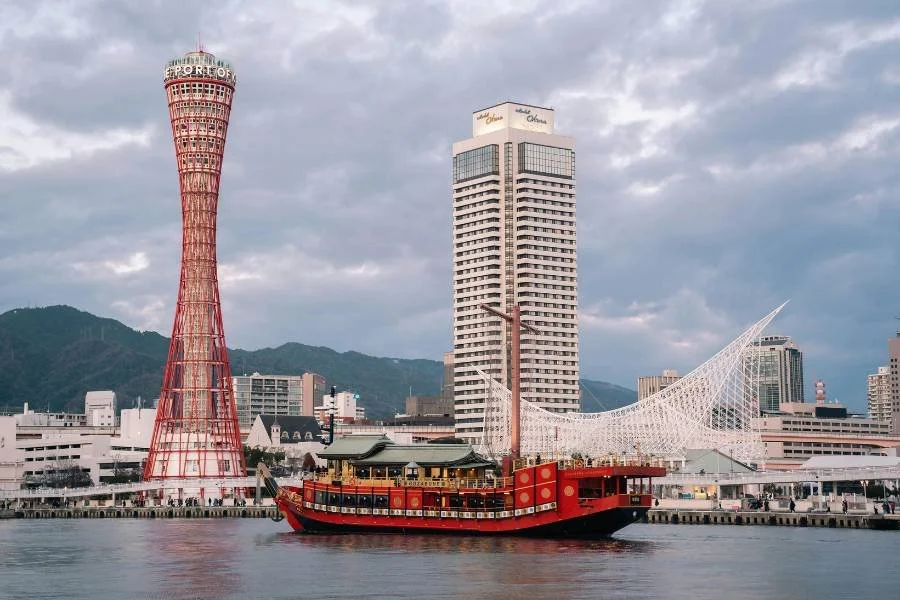
Kobe Harborland (Optional)
Map: Google Maps
If you decide to break your return in Kobe, Harborland is the easiest area to target with its port views, Ferris wheel, and cluster of shopping and dining options. The waterfront is lit up at night, and Kobe Port Tower and ships provide an easy backdrop for photos. Kobe is known for beef, and there are plenty of restaurants ready to sell you an expensive steak; if that is in your budget, this is the place to do it. If not, you can still have a solid meal at more casual spots in the malls or the nearby Chinatown area. When you are done, frequent trains carry you back to Osaka in under an hour.
One Month In Japan Day 20: Hiroshima Peace Park – Start Of A Hiroshima And Fukuoka Loop
Day twenty moves you from Osaka to Hiroshima and centers your afternoon on the Peace Memorial Park and Museum. This is one of the heavier days emotionally, but it belongs in a first-time long itinerary.
Suggested timing:
09:00 – Shinkansen from Shin-Osaka to Hiroshima.
11:30 – Drop bags at Hiroshima hotel.
13:00 – Hiroshima Peace Memorial Museum and park.
17:00 – Hondori shopping arcade and dinner.
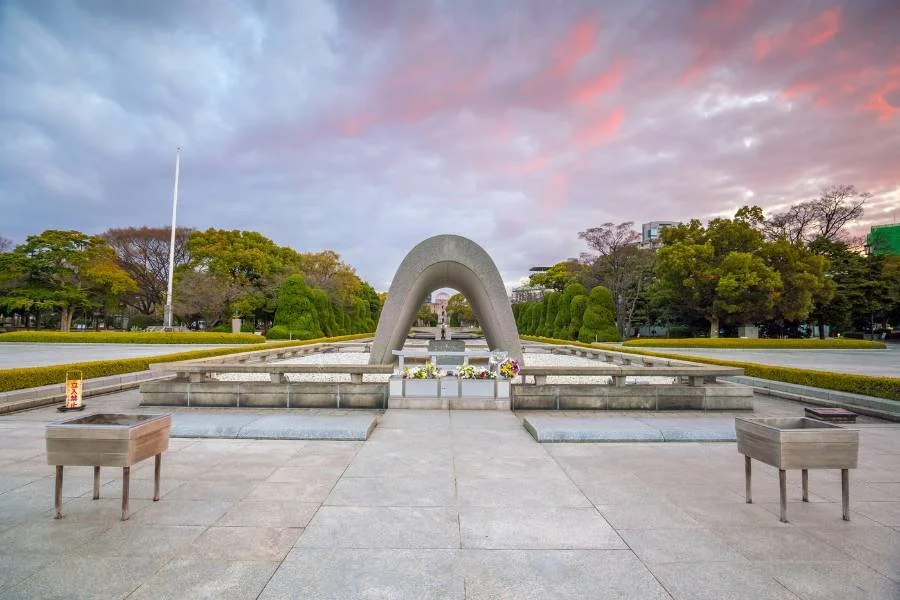
Hiroshima Peace Memorial Park And Museum
Map: Google Maps
Website: Link
Tickets: Viator, GetYourGuide
The Peace Memorial Park covers the area near ground zero of the 1945 atomic bombing and includes the Atomic Bomb Dome, the museum, and multiple memorials. The museum tells the story through objects, survivor accounts, and clear timelines, and some exhibits are graphic and upsetting, especially for younger visitors. Plan at least two hours here and give yourself permission to step outside for a break between sections if you feel overloaded. After the museum, walking through the park toward the Dome and other memorials helps you process what you have seen. The contrast between the quiet park and the city that has rebuilt around it is impossible to miss. It is not a light afternoon, but it is one of the most important stops on this route.
One Month In Japan Day 21: Miyajima Day Trip From Hiroshima
Day twenty-one gives you Itsukushima Shrine and the famous torii gate on Miyajima, plus ropeways and hiking if you feel like it.
Suggested timing:
08:30 – Train and ferry from Hiroshima to Miyajima.
10:00 – Itsukushima Shrine and central streets.
13:00 – Lunch on local oysters and sweets.
15:00 – Ropeway and short hike on Mt Misen if weather and time allow.
18:00 – Ferry and train back to Hiroshima.

Miyajima And Itsukushima Shrine
Map: Google Maps
Miyajima’s central village area is compact but packed with sights: the large torii gate in the water at high tide, Itsukushima Shrine built over the water, small shopping streets, and deer that wander through it all. Tides change how it looks; at high tide, the torii rises from the water, while at low tide, people walk across the exposed sea floor near the base. Itsukushima Shrine has paid entry and a basic one-way route that leads you through covered corridors and platforms overlooking the water and the gate. Shops sell maple-leaf-shaped momiji manju filled with bean paste or custard, and stalls grill oysters and other local items. If the weather is clear, the ropeway up Mt Misen, plus a short walk to viewpoints, gives you wide views over the Inland Sea. If it is raining or very foggy, you may be better off staying lower and focusing on the shrine and town.
One Month In Japan Day 22: Hiroshima Morning And Train To Fukuoka
Day twenty-two finishes any missed Hiroshima sights in the morning and then rides the Shinkansen to Fukuoka.
Suggested timing:
09:00 – Hiroshima Castle or Shukkeien Garden.
12:00 – Lunch and head to the station.
13:30 – Shinkansen to Fukuoka (Hakata Station).
15:30 – Check into your Fukuoka hotel.
18:00 – Canal City and Nakasu yatai.

Hiroshima Castle and Shukkeien
Map: Google Maps
Website: Link
If you have the energy, Hiroshima Castle and Shukkeien Garden give you a different angle on the city beyond the park. The castle is a reconstructed keep with a small history museum inside and grounds good for a short walk and photos. Shukkeien is a compact garden with ponds, bridges, and tea houses laid out in a way that encourages you to loop more than once and notice different details. Neither site requires a huge time investment, which is exactly what you want on a travel day. Once you are done, you head back to the station, grab a quick lunch or bento, and board the Shinkansen to Fukuoka.

Canal City And Nakasu Yatai
Map: Google Maps
Website: Link
Fukuoka’s Canal City is a big shopping and entertainment complex with a central water feature, regular shows, and more than enough food options. It is an easy place to walk around when you are a bit travel-worn and not ready for museums or complicated sightseeing. From there, a short walk takes you across the river into Nakasu, where yatai (street food stalls) set up in the evening. Seats are limited and popular stalls can have lines, but once you get a spot ,you are in for a casual, close-quarters meal of ramen, yakitori, and other bar foods. This is also where you try Hakata-style tonkotsu ramen if you have not had it yet.
One Month In Japan Day 23: One Day In Fukuoka – Ohori Park And City Time
Day twenty-three is your only full day in Fukuoka and balances park time with city wandering and more ramen.
Suggested timing:
09:00 – Ohori Park and Fukuoka Castle ruins.
12:00 – Lunch in Tenjin.
14:00 – Shopping or museums, depending on your interests.
19:00 – Second round of ramen or a different yatai.

Ohori Park And Fukuoka Castle Ruins
Map: Google Maps
Website: Link
Ohori Park has a big central pond with islands linked by bridges and a path around the edge that works well for a morning walk or run. The water, trees, and city skyline give you enough variety to keep it interesting without much effort. Nearby, the remains of Fukuoka Castle sit on raised stone platforms with a few reconstructed structures and viewpoints. You are here more for the sense of space and the look over the city than for heavily furnished interiors. Together, the park and castle ruins give you a feel for Fukuoka beyond the shopping zones without requiring a tour or long transport.

Tenjin And Central Fukuoka
Map: Google Maps
Tenjin is Fukuoka’s main downtown, with department stores, underground shopping arcades, and plenty of cafés. It is a good place to look for clothes, cosmetics, and small gifts, and to pick up anything you are running low on after nearly a month on the road. If you want more structured sightseeing, you can look up local museums based on your interests, but most people use this day to slow down a bit. In the evening, you can either go back to Nakasu’s yatai or try a sit-down ramen shop known for Hakata tonkotsu; some chains that started here now have locations across Japan and even overseas.
One Month In Japan Day 24: Fukuoka To Tokyo – Second Tokyo Base
Day twenty-four is a long travel day back to Tokyo, where you set up a second base in a different neighborhood from your first stay.
Suggested timing:
09:00 – Check out and head to Hakata Station.
10:00 – Shinkansen from Hakata to Tokyo.
15:00 – Arrive at Tokyo Station and ride on to your final neighborhood.
17:00 – Short neighborhood walk and simple dinner.

Second Tokyo Base Neighborhood
Map: Google Maps
For your final Tokyo block, base yourself somewhere different to see another side of the city: Shibuya if you like energy and nightlife, Ginza for polished shopping and easy access to Tokyo Station, or Asakusa for more traditional streets. Once you check in, walk a few blocks in each direction to find the closest convenience stores, coin laundries, and train stations. If you have coin laundry in the hotel or nearby, this is the time to reset your suitcase for the flight home. Dinner can be as simple as convenience store food or as involved as a restaurant you bookmark ahead of time; this is not the night to chase a hard-to-get reservation.
One Month In Japan Day 25: Free Day In Tokyo – Neighborhood Hopping Or Tokyo Disneyland
Day twenty-five gives you a choice: either keep things loose with a neighborhood-hopping day inside Tokyo or commit to a full Tokyo Disneyland run. If you are tired and still working through a shopping and snack list, the free day keeps transit simple and pressure low. If you are a theme park fan or traveling with kids or teens, Disneyland can be a big highlight near the end of the trip. Both options end back at your Tokyo base, so you are ready for the final stretch of the itinerary.
Suggested timing:
Option 1 – Free Tokyo Neighborhood Day:
09:00 – Neighborhood one (for example, Shimokitazawa).
12:00 – Lunch wherever you land.
14:00 – Neighborhood two (Nakameguro, Daikanyama, or Ginza).
18:00 – Dinner at a restaurant you have been saving for the end.
Option 2 – Tokyo Disneyland Day:
07:30 – Train from Tokyo Station to Maihama Station and walk to the park gates.
08:00–21:00 – Full day at Tokyo Disneyland, with breaks for meals and shows.
21:00 – Train back to your Tokyo base and late-night convenience store visit if snacks are needed.
Tokyo Neighborhood Day
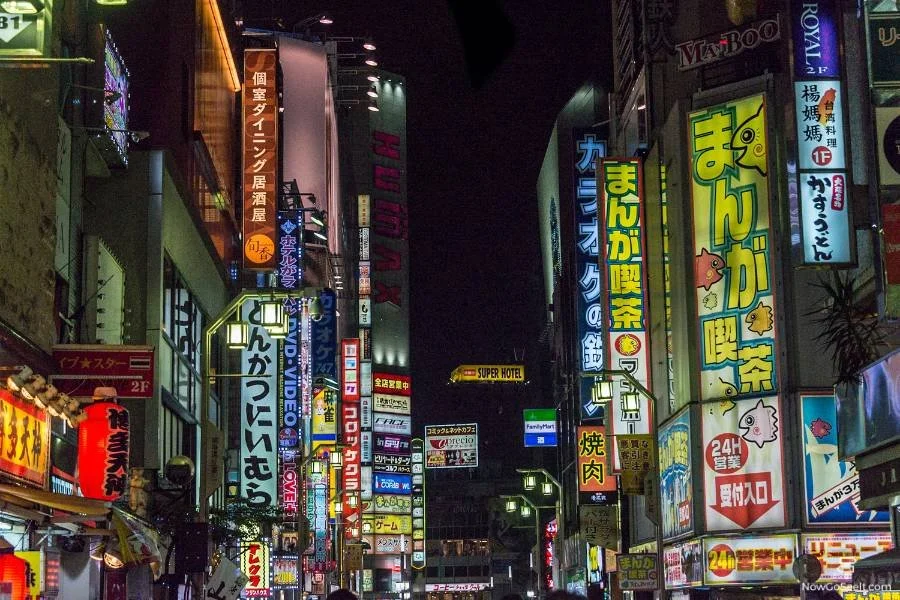
By this point in the month, you know what you still want more of: shopping, coffee, smaller streets, or one last big landmark. Shimokitazawa is good for vintage clothing and smaller cafés, while Nakameguro has the canal, boutiques, and dessert spots that are easy to string together in a single loop. Daikanyama leans into design-forward shops, bookshops, and low-rise streets that feel very different from Shinjuku and Shibuya. You can pick one neighborhood for the morning, then shift to another for the afternoon, depending on what you still need to buy or see. This is also a good day to finish any gift shopping, from character goods and snacks to travel gear you realized you liked. Keep an eye on your IC card balance and use simple train hops between neighborhoods instead of long crosstown rides. If you want a bit of structure, you could book a short food tour or coffee walk through a platform like Viator or GetYourGuide in one neighborhood, then keep the rest of the day unplanned. End the day with dinner at a spot you have been saving and then head back early enough to pack, sort souvenirs, or upload photos.

Tokyo Disneyland Day
Map: Google Maps
Website: Link
Tickets: Viator, GetYourGuide
If theme parks are a priority, you can turn day twenty-five into a full Tokyo Disneyland day from opening to close. Most people ride the JR Keiyo or Musashino Line from Tokyo Station to Maihama, then follow the crowd from the exit to the park gates, so the transit piece stays straightforward. Aim to arrive before the official opening so you are inside the park when rides start, which cuts your first wait times for the most popular attractions. Start with higher-demand rides in the morning, then work through shows, parades, and lower-wait attractions in the afternoon when the lines start to spike. Snacks and meals are themed and pretty playful, so plan to eat in the park rather than leaving midday to hunt for food outside. If you want to avoid spending your whole day in queues, target a weekday outside major holidays and use any in-app ride reservation features that are active when you visit. When the nighttime parade or fireworks wrap up, follow the flow back to Maihama Station and ride the train home, giving yourself enough time to rest before day twenty-six.
One Month In Japan Day 26: Fuji Five Lakes Or Kamakura Day Trip From Tokyo
Day twenty-six gives you one more big day trip: either Mt Fuji views around Fuji Five Lakes or temples and sea air in Kamakura.
Suggested timing:
07:30 – Morning departure by bus or train.
10:00 – Full day in either Fuji Five Lakes or Kamakura and the nearby coast.
18:00 – Back to Tokyo.

Fuji Five Lakes (Kawaguchiko)
Map: Google Maps
Tickets: Viator, GetYourGuide
Fuji Five Lakes, especially around Kawaguchiko, is one of the best places to see Mt Fuji from the ground if the weather cooperates. Buses from Tokyo run straight to Kawaguchiko, and once there, you can ride local buses to viewpoints, small museums, and ropeways. On clear days, the mountain reflects in the lake, and you get the postcards you have seen online; on cloudy days, you may see only the lower slopes or nothing at all. Treat this as a weather-dependent bonus, not a guaranteed payoff, so you are not crushed if the clouds win. If you do not want to juggle multiple bus schedules, consider booking a Fuji day tour that bundles transport and several stops into one package.

Kamakura Option
Map: Google Maps
Tickets: Viator, GetYourGuide
If you choose Kamakura instead, your day leans more temple-heavy. Kotoku-in’s Great Buddha and Hase-dera are the two easiest big hits, and a mix of trains and walking paths links them with other sites. The Enoshima Electric Railway adds some coastal views and an extra layer of interest for train fans. Kamakura has a relaxed, lived-in feel with residential streets, small cafés, and local shops sprinkled between sights, which is a good change of pace from Tokyo intensity. It works well as a final day trip because transport is simple, and you can adjust your route based on energy without wrecking the plan.
One Month In Japan Day 27: Final Tokyo Experiences And Packing Day
Day twenty-seven keeps you in Tokyo but lighter on scheduling, so you can finish any must-do experiences and pack without stress.
Suggested timing:
09:00 – Any timed-ticket experience you still have (cooking class, museum, teamLab if you moved it here).
13:00 – Lunch somewhere you have been meaning to try.
15:00 – Light sightseeing or one last shopping run.
18:00 – Pack, weigh luggage, and confirm airport route and times.

Final Tokyo Day
Whatever big thing you have been putting off should land here: a cooking class, a final museum, or a neighborhood you could not fit earlier. Try not to overpack the schedule; you will enjoy tomorrow more if you are not repacking at midnight. Pick up a small luggage scale from Amazon before the trip or borrow one so you can make sure your suitcase is under the airline limit. Double-check which airport you fly from, confirm your train, monorail, or airport bus route, and make sure your IC card or cash balance is enough to cover the ride. Then have a last, low-key dinner and call it a night at a reasonable hour.
One Month In Japan Day 28: Departure Day From Tokyo And Japan
The last day is about getting yourself and your luggage to the airport with as little drama as possible.
Suggested timing:
Leave your hotel three to four hours before your international flight, depending on the distance to the airport and whether you need to pick up tax-free refunds.

Departure Day
Check out, hand over your room key, and make your way to the station or airport bus stop based on the route you confirmed last night. For Haneda, many people use the Tokyo Monorail or Keikyu Line; for Narita, the Narita Express, Skyliner, or airport buses are common choices. Build in extra time for delays, crowds, and last-minute bathroom or snack runs. Once you are through security, grab one final onigiri, sandwich, or bento from an airport convenience store or café and take a breath—you covered a lot in 28 days without trying to see every single prefecture.



If You Have More Time In Japan
If your schedule gives you more than a month in Japan, or you are already thinking about a second trip, you can bolt on extra regions or swap segments from this loop.
Hokkaido works well as a one-week winter add-on for skiing and snowboarding or a summer extension for hiking and cooler temperatures. Okinawa gives you a very different climate, food culture, and pace, with Naha as a base and smaller islands for snorkeling and beach time. Shikoku is an option if you like the idea of pilgrimage routes, hot springs, and smaller cities like Matsuyama and Takamatsu, with easier access to art islands like Naoshima. Kyushu beyond Fukuoka adds Nagasaki, Beppu, Yufuin, and Kagoshima to your map, with hot springs, volcanic landscapes, and different regional food. Each of these regions has its own set of regional rail passes and potential tours, and once you have handled 28 days on the main loop, you will have the confidence to branch out.
28 Day Japan Itinerary Overview:
Day 1: Arrive in Tokyo, get settled in Shinjuku, and shake off jet lag with your first city views.
Day 2: Explore Asakusa’s Senso-ji temple, Nakamise shopping street, and head up Tokyo Skytree for big city views.
Day 3: Visit Meiji Jingu, dive into Harajuku’s fashion streets, and finish the day at Shibuya Crossing and Hachiko.
Day 4: Hunt for electronics and anime finds in Akihabara, then hit Ueno Park, a museum, and Ameyoko market.
Day 5: Ride out to Odaiba for malls and bay views, then step into digital art overload at teamLab Borderless or Planets.
Day 6: Take a day trip to Nikko for Toshogu Shrine, forest paths, and a cool mountain town break from Tokyo.
Day 7: Travel from Tokyo to Hakone, ride part of the Hakone loop, and soak in an onsen at your ryokan.
Day 8: Leave Hakone and ride the trains into the Japanese Alps to arrive in Takayama for an evening old town walk.
Day 9: Shop Takayama’s morning markets, wander the preserved old streets, and optionally visit Hida Folk Village.
Day 10: Bus through Shirakawa-go’s gassho farmhouses, then continue on to Kanazawa for dinner near the station.
Day 11: Eat your way through Omicho Market, visit Kenrokuen and Kanazawa Castle, then ride the train to Kyoto.
Day 12: Spend your first Kyoto day at Kiyomizu-dera and wandering the classic Higashiyama, Sannen-zaka, and Ninen-zaka lanes.
Day 13: Walk the torii paths of Fushimi Inari in the morning and explore Gion and Pontocho’s lantern-lit streets at night.
Day 14: Head out to Arashiyama for the bamboo grove, Tenryu-ji, river views, and side temples.
Day 15: Take a day trip to Nara for deer in Nara Park, Todai-ji’s giant Buddha, and a relaxed town loop.
Day 16: Check out of Kyoto, hop to Osaka, and spend the afternoon and evening around Shinsaibashi and Dotonbori.
Day 17: Explore Shinsekai’s retro streets and kushikatsu shops, then head to Umeda’s malls and Sky Building views.
Day 18: Spend a full day at Universal Studios Japan, from Super Nintendo World to evening at CityWalk.
Day 19: Day trip to Himeji for Japan’s most famous castle, Koko-en Garden, and an optional Kobe stop on the way back.
Day 20: Ride the Shinkansen to Hiroshima and spend the afternoon at the Peace Memorial Museum and park.
Day 21: Take a full-day trip to Miyajima for Itsukushima Shrine, the floating torii, and Mt Misen views.
Day 22: See Hiroshima Castle or Shukkeien Garden in the morning, then ride the Shinkansen to Fukuoka.
Day 23: Walk Ohori Park and the castle ruins, then shop Tenjin and eat Hakata ramen or yatai food at night.
Day 24: Take the long Shinkansen ride back to Tokyo and get oriented in your second base neighborhood.
Day 25: Use a free day in Tokyo to hop through neighborhoods like Shimokitazawa, Nakameguro, Daikanyama, or Ginza. Or visit Tokyo Disneyland for a fun day.
Day 26: Choose a day trip to Fuji Five Lakes for Mt Fuji views or Kamakura for temples and coastal trains.
Day 27: Tackle any last Tokyo experiences, finish your shopping, and pack up for the journey home.
Day 28: Check out, ride the train or bus to Haneda or Narita, and fly home after one month in Japan.