One Day Osaka Itinerary - The Best Things To Do in Osaka
Now Go See It is reader-supported. When you buy through links on our site, we may earn an affiliate commission.
Explore Osaka in a day with this itinerary covering the city’s most famous landmarks, top street food spots, and lively neighborhoods, all connected by easy train and subway routes.
What to Know Before Visiting Osaka
Explore Osaka in a day with this itinerary covering the city’s most famous landmarks, top street food spots, and lively neighborhoods, all connected by easy train and subway routes.
Osaka packs a lot into compact neighborhoods connected by fast trains and subways. Focus on one loop: Osaka Castle, Tennoji/Namba, Shinsaibashi/Dotonbori, and Umeda. Most places open mid-morning, so start with landmarks and end with food and neon. Many shops and restaurants accept cards, but coins are useful at shrines, lockers, and vending machines. Download Google Maps offline and turn on station exit details. If you plan an observation deck, check sunset time so you can catch daytime and night views in one visit.

Is Osaka Safe?
Osaka is one of Japan’s easiest big cities for visitors—tourist areas stay active into the evening, English signage is common, and help at stations is reliable. Standard city smarts apply, but most travelers report stress-free days and late nights while focusing on sightseeing, food, and photos.
Osaka is widely considered safe, including tourist zones at night. Petty theft is almost non-existent. Use marked pedestrian crossings; cyclists share sidewalks in some areas. If you need help, station staff are reliable and used to assisting visitors. Emergency number is 110 for police and 119 for fire/ambulance. English signage is strong around major stations and attractions.
How to Get Around Osaka
Base your one day Osaka itinerary on the JR Osaka Loop Line and the Midosuji subway to link Osaka/Umeda, Tennoji, Namba, and Shinsaibashi in minutes. Trains run every few minutes; pair an IC card with clear station exit numbers to cut walking time and keep your schedule tight.
Get an ICOCA prepaid card for subways, JR lines, and convenience stores. The JR Osaka Loop Line links Osaka/Umeda, Tennoji, and Osakajokoen (Castle). The Midosuji (red) subway connects Umeda, Shinsaibashi, Namba, and Tennoji. Trains run every few minutes; transfers are easy with clear signs. Aim to use the closest exits (e.g., Namba Exit 25 for Dotonbori side streets) to cut walking. For short hops, taxis are safe and metered; rideshare options are limited. Coin lockers are at major stations if you’re traveling light between stops.
One Day Osaka Itinerary - Morning
Start strong with Osaka Castle Park for skyline views and exhibits, an easy win for any 1 Day in Osaka itinerary. Arrive at opening, then hop the Loop Line to Shitenno-ji Temple for classic pagoda scenes before the midday crowds.
8:30 AM – Osaka Castle Park (JR Osaka Loop Line to Osakajokoen Station, Exit 1; 10-minute walk via Otemon Gate)

Osaka Castle
Map: Google Maps
Website: Link
Tickets: GetYourGuide
Osaka Castle anchors a huge park with stone walls, moats, and long views of the skyline. The current keep is a modern reconstruction housing a museum on Toyotomi Hideyoshi and the castle’s military past. Expect multiple floors of exhibits with models, armor, and period artwork that explain Osaka’s rise as a power base. The top-floor observation deck is the payoff for city photos in all directions, especially on clear mornings. Elevators exist, but there are still stairs; budget 60–90 minutes if you like exhibits. The park paths are wide and easy to navigate with frequent signage to the main keep. Arrive early for fewer tour groups and better angles without people in the frame. Seasonal highlights include cherry blossoms in spring and colorful ginkgo in late autumn.
10:15 AM – Shitenno-ji Temple (JR Loop to Tennoji or Subway to Shitennoji-mae Yuhigaoka; 10-minute walk)

Shitenno-ji Temple
Map: Google Maps
Website: Link
Founded in 593, Shitenno-ji is one of Japan’s oldest official Buddhist temples and a calm counterpoint to Osaka’s energy. The layout follows a classic axial plan with a five-story pagoda, main hall, and corridors around the inner precinct. The central area has a small admission, while much of the outer grounds is free to enter and photograph. If the pagoda is open, you can climb inside for a closer look at its wooden construction. The Gokuraku-jodo Garden nearby features ponds, bridges, and seasonal plants arranged in a measured, tidy design. Incense smoke drifts across the courtyard as visitors ring bells and make small offerings. Visit mid-morning to catch soft light on the pagoda and fewer people in your shots. Respect posted signs about photography inside halls and avoid blocking worshippers.

Airline Miles and Hotel Points 101
We share tips and tricks for credit card points and miles. These tools help us save money on our trips around the world by allowing us to accumulate airline and hotel points.
One Day Osaka Itinerary - Afternoon
Make Kuromon Ichiba Market your lunch stop (takoyaki, wagyu bites, and seafood) before heading to the Umeda Sky Building for the Floating Garden Observatory. Add a quick photo stop at Namba Yasaka Shrine and browse Amerikamura’s indie shops to balance views, food, and street culture.
12:00 PM – Kuromon Ichiba Market for Lunch (Subway to Nippombashi Station; follow signs to Kuromon; covered arcades)

Kuromon Ichiba Market
Dotonbori delivers the signature Osaka night—Glico sign photos, canal walks, and easy okonomiyaki or yakisoba—followed by Shinsekai for neon lanes, kushikatsu, and Tsutenkaku Tower. If you want a last panorama, finish at Abeno Harukas 300 or loop back to Umeda Sky for city lights.
Map: Google Maps
Website: Link
Street Food Market Tour: GetYourGuide
Kuromon is Osaka’s “Kitchen,” a covered market known for fresh seafood, produce, and ready-to-eat bites. This is a great place to make a walking lunch out of small plates: grilled scallops, wagyu cubes, sea urchin, tamago on a stick, and, of course, takoyaki. Prices are posted and portions vary; share items so you can try more stalls. Crowds build around noon, so move purposefully and step to the side before eating. Cash is common, but more vendors now accept cards; keep coins for smaller purchases. Restrooms are signed and generally clean, but lines can form—go when you see one rather than waiting. If you want to sit down, snack first in the market, then grab a simple bowl of udon or ramen on a side street. Plan 45–60 minutes, depending on how many stops you make.
1:30 PM – Umeda Sky Building: Floating Garden Observatory (JR/Metro to Osaka-Umeda; 10–15-minute signed walk via underground passages)

Umeda Sky Building
Map: Google Maps
Website: Link
Tickets: GetYourGuide
Two towers linked by a ring-shaped “Floating Garden” make Umeda Sky one of Osaka’s most recognizable silhouettes. Glass elevators shoot up the core, then long, dramatic escalators cross the void between towers to the observatory. The open-air deck delivers 360-degree views across the city, the Yodo River, and—on clear days—the mountains beyond. Daytime visits show the city’s scale, while late afternoon lets you watch the lights switch on. There’s a café and a photo spot where staff can take a clean shot without glare. Lines move quickly, but weekends are busier; if timing is tight, come right at opening or late evening. The basement level, Takimi Koji, recreates early 20th-century Osaka lanes with casual eateries if you want a quick snack. Expect about an hour for the full loop, more if you linger for sunset.
3:00 PM – Namba Yasaka Shrine (Subway to Namba; Exit 32, 6–8-minute walk through backstreets)

Namba Yasaka Shrine
Map: Google Maps
Website: Link
Namba Yasaka is small in size but big on personality thanks to its oversized lion head stage. The toothy façade frames a compact plaza, and the mouth symbolizes “swallowing” bad luck and boosting success. Many visitors come for quick photos before continuing to nearby shopping streets. Weekdays are quieter, and it’s easy to get a centered shot if you wait a minute between groups. The surrounding neighborhood is a mix of homes and little workshops, giving it a local feel just a few blocks from major stores. Plan 10–15 minutes here unless you want to explore the smaller sub-shrines around the edges. Combine it with Amerikamura and Dotonbori for an efficient afternoon circuit.
3:30 PM – Amerikamura (Shinsaibashi or Yotsubashi Station; Triangle Park area)

Amerikamura
Map: Google Maps
Amerikamura is Osaka’s youth fashion and street-culture district centered on Triangle Park. Vintage clothing, sneaker resellers, indie designers, and bold street art fill the side streets in every direction. Many shops open late morning and keep later hours, so mid-afternoon is a good time to browse. Prices run from thrift to premium, and staff are used to visitors who window-shop as much as they buy. Cafés range from minimalist espresso bars to themed spots with over-the-top desserts. Look for murals and sticker walls down the alleys behind the main drag for great backdrops. If you’re hunting for souvenirs, consider small-batch T-shirts from local brands or enamel pins you won’t find elsewhere. Give yourself 30–45 minutes to wander a few blocks before heading east toward the canal.
4:30 PM – Hozenji Yokocho and Hozenji Temple (Namba Station Exit 14; 5-minute walk via narrow lanes)

Hozenji Yokocho
Map: Google Maps
Just off Dotonbori’s energy is Hozenji Yokocho, a short lane leading to a compact temple with a moss-covered statue of Fudo Myo-o. Visitors ladle water over the statue for good fortune, and the constant mist keeps the moss vivid. Small restaurants line the lane with paper lanterns and wooden facades that feel unchanged for decades. It’s a fast stop—five to ten minutes at the temple—then a slow pass along the adjacent alleys to see menus and décor. Photography is fine in the lane, but be mindful; entrances are tight and diners sit close to the street. The contrast from the canal area is stark, which makes it a useful reset before the evening rush. If you plan dinner nearby, many places here open from 5 or 6 pm. Continue one block north to hit the canal by the Glico sign.
One Day Osaka Itinerary - Evening
Dotonbori delivers the signature Osaka night—Glico sign photos, canal walks, and easy okonomiyaki or yakisoba—followed by Shinsekai for neon lanes, kushikatsu, and Tsutenkaku Tower. If you want a last panorama, finish at Abeno Harukas 300 or loop back to Umeda Sky for city lights.
5:15 PM – Dotonbori Canal and Glico Sign (Namba Station Exit 25; use canal walkways on both sides)

Dotonbori
Map: Google Maps
River Cruise Tickets: GetYourGuide
Dotonbori is Osaka’s most famous entertainment zone, where giant neon signs reflect off the canal and food options run for blocks. Get the classic photo with the Glico Running Man from the Ebisu Bridge, then loop the lower canal paths for more vantage points. Takoyaki stands work fast; watch the griddles and order a small tray so you can sample other dishes. For a sit-down meal, try okonomiyaki or yakisoba at a no-frills shop that cooks on a hot griddle. Don’t miss the animated crab and pufferfish signs—both are landmark markers and handy for navigation. Street performers sometimes set up near the bridges; move around them to keep walking speed. If rain hits, duck under arcades along Dotonbori Street to keep dry between food stops. Grab an affordable river cruise ticket to take it all in at a slower pace. Plan 60–90 minutes to eat, photograph, and people-watch before heading south.
7:00 PM – Shinsekai and Tsutenkaku Tower (Subway to Ebisucho or Dobutsuen-mae; signed streets to the tower)

Shinsekai
Map: Google Maps
Website: Link
Tsutenkaku Tower Tickets: GetYourGuide
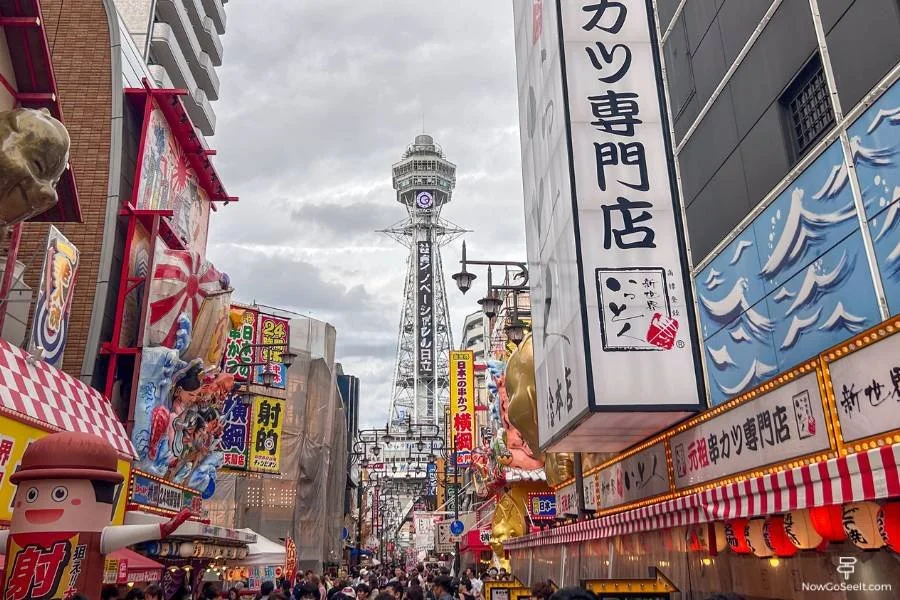
Shinsekai is a retro district built in the early 1900s and later known for classic signage, arcades, and casual dining. Tsutenkaku Tower rises in the center with an observation deck that gives a southern view toward Abeno Harukas. This is the home turf of kushikatsu, Osaka’s skewered-and-fried specialty served with a shared sauce—follow the rule posted everywhere: no double-dipping. Menus include vegetables, meats, seafood, and seasonal specials; build a custom set and order in rounds. Neon signs, lanterns, and painted billboards make great night photos from street level. Arcades here still run crane games and retro cabinets if you want a quick break. If you’re full from Dotonbori, try just a few skewers and a soft drink and keep moving. Expect 60–75 minutes, including the tower if you go up.
8:45 PM – Optional Nightcap View: Abeno Harukas 300 or Return to Umeda Sky (Kintetsu Osaka-Abenobashi for Harukas; Midosuji Line back to Umeda)

Abeno Harukas 300
Map: Google Maps
Website: Link
Tickets: GetYourGuide
Abeno Harukas, Japan’s tallest skyscraper, has a three-level glass observation deck with striking night views over southern Osaka. Elevators climb fast, and the deck’s design keeps reflections low for cleaner photos. The open central atrium includes seating where you can rest and plan the route back. If you already visited Umeda Sky by day, this gives you the night perspective without crossing town again. Food options at the connected mall are broad if you need a late snack. Lines are usually shorter in the evening on weekdays. If you prefer to finish near your hotel in Umeda, circling back to Umeda Sky after dark is also a strong choice. Either way, you end the day with city lights spread in every direction.

Check out our other posts about things to see and do in Osaka or Japan!
Or visit our Destinations page to be inspired.
If You Have More Time in Osaka
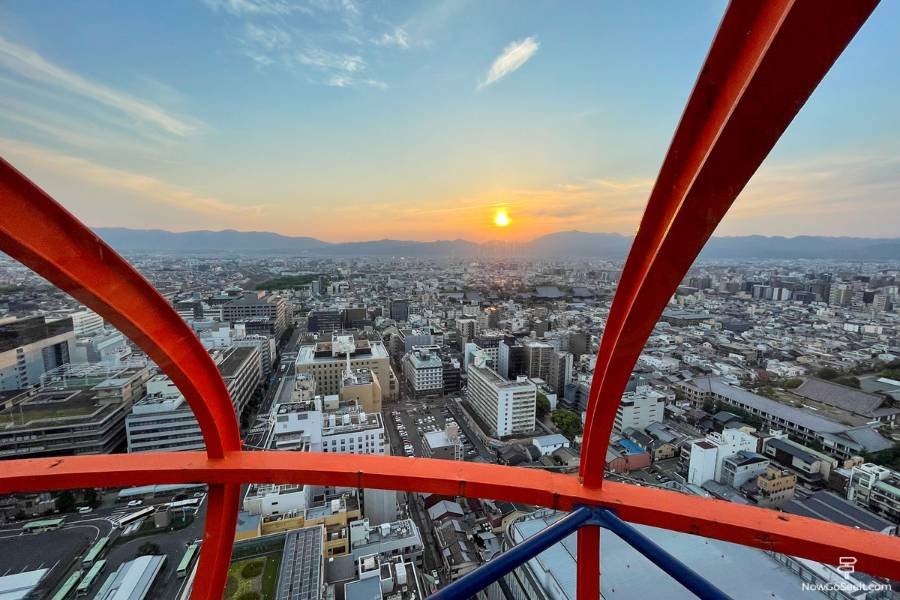
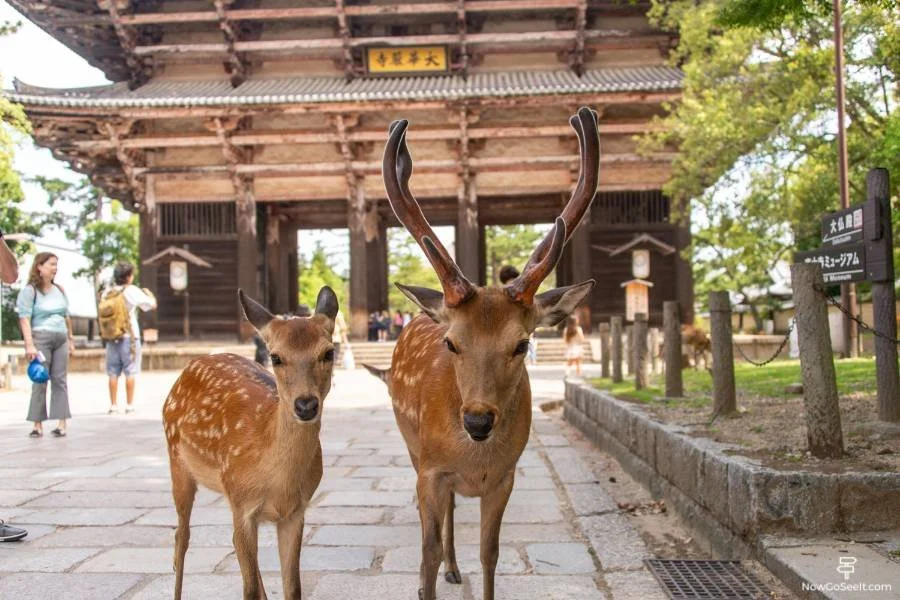
Extend this Osaka itinerary to two or three days with Osaka Aquarium Kaiyukan, a river cruise, or an Osaka Amazing Pass itinerary to bundle transit and attractions. For day trips from Osaka, Nara and Kyoto are the top picks—think Nara one day itinerary for Todai-ji and deer park, or a Kyoto one day itinerary for Fushimi Inari and Gion.
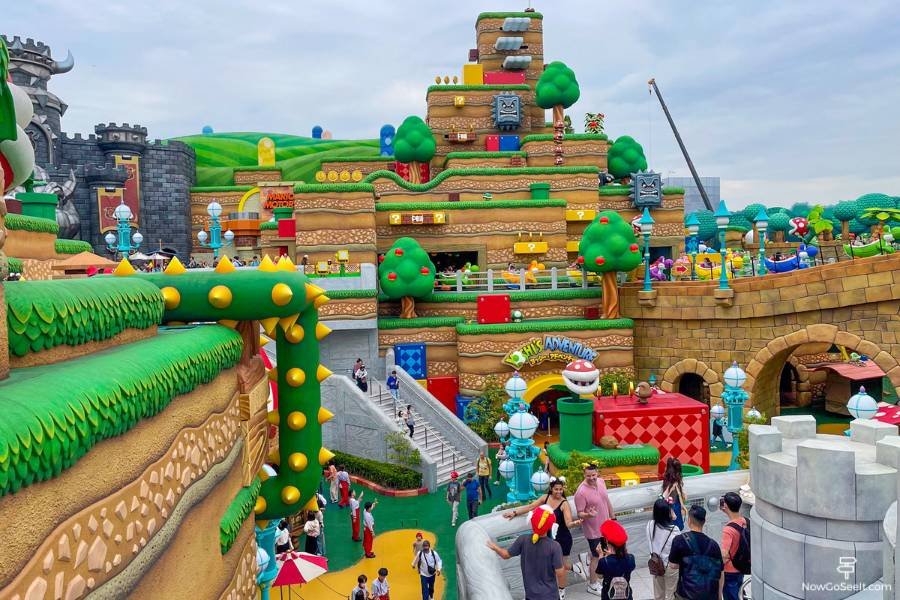
Add Osaka Aquarium Kaiyukan and the nearby Tempozan Ferris Wheel, or take a river cruise on the Tombori or Okawa for easy skyline views. For classic rides without the crush of a mega-park, Hirakata Park works well as a half-day add-on from central Osaka (Read More about Hirakata Park). Building a longer stay? Use this expanded Osaka plan to stack more neighborhoods and viewpoints without backtracking. Day trips are straightforward: Nara pairs big-ticket sights like Todai-ji and the deer park with compact walking routes from Kintetsu Nara Station. (Read our guide to a Nara Park day trip). Kyoto is an easy hop for Fushimi Inari, Kiyomizu-dera, and Gion; plan your route with this overview to group temples by area and save time on transfers (Read what to see in Kyoto). If a full theme-park day is on your list, Universal Studios Japan needs an early start, timed entry for Super Nintendo World, and mobile ordering—this Guide to the Park walks you through it.

We’re on YouTube!
The same great content without all the pesky reading!
Best Things To Do In Osaka:
Osaka Castle
Shitenno-ji Temple
Kuromon Ichiba Market
Umeda Sky Building
Namba Yasaka Shrine
Amerikamura
Hozenji Yokocho
Dotonbori
Tsutenkaku Tower
Shinsekai
Abeno Harukas 300