9 California National Parks: When To Go, 2 Day Itineraries
Now Go See It is reader-supported. When you buy through links on our site, we may earn an affiliate commission.
A Guide to all 9 California national parks with a simple map, best months to visit, nearest airports, and tight 1–2 night itineraries for fast, smart trips.
Guide to Every CA National Park: (Jump To)
Use this to plan your dream California road trip, or to visit individual parks for long weekends or even city day trips. You’ll find a quick statewide map, the best months to visit each park, the closest airports that make sense, and 24–48 hour plans that hit the highlights without wasting time.
Map of California’s 9 National Parks
Here’s your map of every California National Park: Yosemite, Sequoia, Kings Canyon, Death Valley, Joshua Tree, Channel Islands, Lassen Volcanic, Pinnacles, and Redwood National and State Parks. Use this to pair parks efficiently.

Airline Miles and Hotel Points 101
We share tips and tricks for credit card points and miles. These tools help us save money on our trips around the world by allowing us to accumulate airline and hotel points.
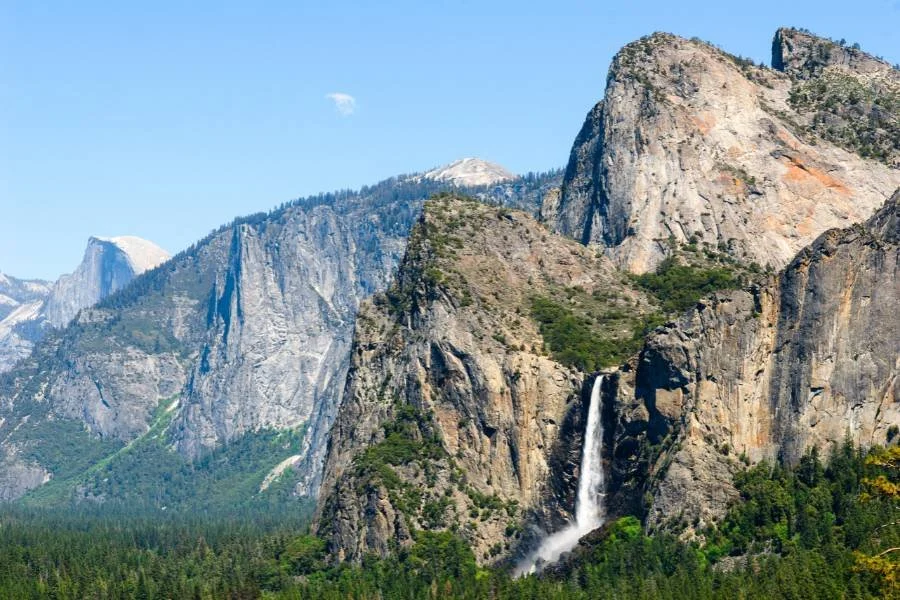
Yosemite National Park
Make the most of a Yosemite day trip with a tight 2 day Yosemite itinerary that hits Tunnel View, Yosemite Falls, Vernal Fall/Mist Trail, and Glacier Point when open. If you have an extra day, stretch to a 3 day Yosemite itinerary for Mariposa Grove and Taft Point—your Yosemite itinerary stays efficient without extra backtracking.
Best Time To Visit Yosemite
Spring brings peak waterfalls, summer opens the high country, fall is cooler with clearer days, and winter is quiet in the valley. Always recheck road openings and any timed-entry updates close to your dates.
Closest Airports For Yosemite
FAT (Fresno Yosemite) is the most practical for the South/Highway 41 entrance.
Other workable options: MCE (Merced), OAK, and SFO if fares and schedules fit.
1–2 Day Yosemite Itinerary
Day 1 morning: Tunnel View at first light, then the easy Lower Yosemite Fall loop.
Day 1 midday: Mist Trail to the Vernal Footbridge (continue to Vernal Fall if you want stairs). Lunch in the valley.
Day 1 afternoon: El Capitan Meadow pull-outs for climber spotting.
Day 1 evening: Glacier Point for golden hour if open; if not, Sentinel/Cook’s Meadow boardwalks for reflections.
Day 2 morning: Mariposa Grove’s Grizzly Giant Loop for a big-tree hit without a long hike.
Day 2 midday: Mirror Lake loop or Taft Point/Fissures when open.
Day 2 evening: Valley View turnout for last-light river photos.

Sequoia National Park
Sequoia & Kings Canyon National Parks are a natural combo—base near Giant Forest and stack General Sherman, Congress Trail, and Moro Rock on day one. Use a shared map of Sequoia and Kings Canyon to streamline parking and trailheads, then add Crescent Meadow or Tokopah Falls when road and weather conditions cooperate.
Best Time To Visit Sequoia
Late spring through fall offers the easiest access to Giant Forest and Moro Rock; winter is beautiful but requires chains and flexible timing. Combine with Kings Canyon for a single long weekend using the same airport/base.
Closest Airports For Sequoia
FAT (Fresno Yosemite) and VIS (Visalia Municipal) are the sensible picks for the Ash Mountain/Giant Forest side.
1–2 Day Sequoia Itinerary
Day 1 morning: General Sherman Tree area; walk both upper and lower approaches for different viewpoints.
Day 1 midday: Moro Rock’s granite steps and Generals Highway pull-outs.
Day 1 evening: Crescent Meadow with a quick look at Tharp’s Log.
Day 2 morning: Congress Trail among named giants—strong payoff per step.
Day 2 midday: Tokopah Falls from Lodgepole (season-dependent flow).
Exit: Stop for one or two roadside groves on your way out.

Check out our other posts about things to see and do in CALIFORNIA!
Or visit our Destinations page to be inspired.

Kings Canyon National Park
Kings Canyon California National Park shines on a classic Highway 180 run: General Grant, Panoramic Point, and the canyon floor to Zumwalt Meadow. The best time to visit Kings Canyon National Park is late Spring through Fall, when Cedar Grove is open and waterfalls and river bends are at their peak.
Best Time To Visit Kings Canyon
Cedar Grove’s deep canyon is typically a late-spring through fall drive; high routes close in winter. Combine with Sequoia for a single long weekend using the same airport/base.
Closest Airports For Kings Canyon
FAT (Fresno Yosemite) via Highway 180 to Grant Grove and down into the canyon.
1–2 Day Kings Canyon Itinerary
Day 1 morning: General Grant Tree loop and the short spur to Panoramic Point.
Day 1 midday: Kings Canyon Scenic Byway with a splash stop at Grizzly Falls.
Day 1 afternoon: Zumwalt Meadow loop near Roads End for granite walls and river bends.
Day 2 morning: Roaring River Falls and an easy riverwalk segment toward Roads End.
Day 2 midday: Slow-drive back out with photo stops you skipped.

We’re on YouTube!
The same great content without all the pesky reading!
Death Valley National Park
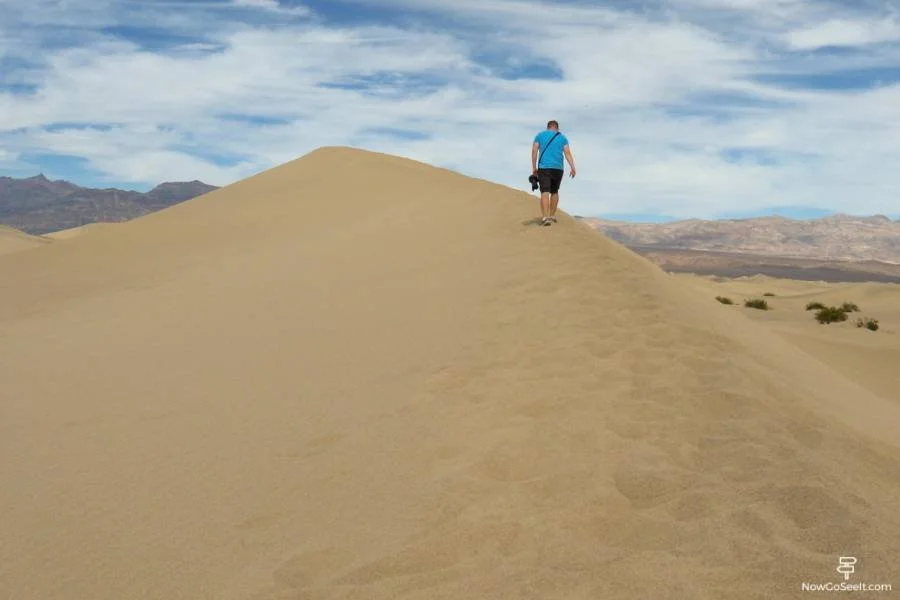
Go in the cool season—the best time to visit Death Valley National Park is November through March, with golden sunrises at Zabriskie Point and long-shadow sunsets on the Mesquite Flat Sand Dunes. The closest airport to Death Valley National Park is LAS (Las Vegas), making a Death Valley day trip from Las Vegas easy to plan with flexible routes.
Best Time To Visit Death Valley
Go November–March for safer temps and better hiking light. Always check current road status the week of travel; desert storms can change plans.
Closest Airports For Death Valley
LAS (Las Vegas) has the best flight options and rentals; there’s no commercial airport in the park.
1–2 Day Death Valley Itinerary
Day 1 sunrise: Zabriskie Point for the badlands glow.
Day 1 morning: Dante’s View, then Badwater Basin (if open) to walk the salt flats.
Day 1 afternoon: Artist Drive/Palette scenic loop; hydrate mid-day.
Day 1 sunset: Mesquite Flat Sand Dunes for long shadows and texture.
Day 2 morning: Golden Canyon + Gower Gulch loop or Mosaic Canyon’s polished narrows.
Day 2 midday: Furnace Creek Visitor Center, Borax Museum, then exit toward Vegas.
Read our Full Guide to Death Valley


Joshua Tree National Park
The best time to visit Joshua Tree National Park is March–May and October–November for hiking temps, clean light, and starry nights. Use PSP as your jump-off and pick a Joshua Tree day trip (from Palm Springs, Los Angeles, or even San Diego) that strings together Hidden Valley, Barker Dam, Skull Rock, Keys View, and Cholla Cactus Garden.
Best Time To Visit Joshua Tree
March–May and October–November are the sweet spots for hiking and photography. Winter nights are crisp and great for stargazing; check for ranger night-sky programs.
Closest Airports For Joshua Tree
PSP (Palm Springs) is closest; ONT and LAX work if fares or timing are better.
Hello, World!
1–2 Day Joshua Tree Itinerary
Day 1 morning: West Entrance to Hidden Valley loop, then Barker Dam.
Day 1 midday: Jumbo Rocks pull-outs and Skull Rock loop with easy scrambles.
Day 1 evening: Keys View for Coachella Valley panoramas.
Day 2 sunrise: Cholla Cactus Garden with clean backlighting.
Day 2 morning: Arch Rock trail from Twin Tanks/White Tank.
Read our full Joshua Tree Guide

Channel Islands National Park
Boat schedules rule here—reserve Island Packers early and plan for weather windows to land on Santa Cruz or Anacapa. A day trip to Channel Islands National Park delivers huge views for minimal mileage: hike Cavern Point or the Anacapa boardwalks, and add a guided kayak if seas are calm.
Best Time To Visit Channel Islands
Year-round, but boat schedules and sea conditions drive everything. Spring–fall typically offers more island landings; reserve boats early.
Closest Airports For Channel Islands
Fly SBA, BUR, or LAX, then drive to Ventura Harbor for Island Packers boats.
1–2 Day Channel Islands Itinerary
Day 1 Santa Cruz (Scorpion): Morning boat, hike Cavern Point and upper loops; add guided kayak/snorkel if conditions line up.
Day 1 evening: Dinner back in Ventura; sunset at the harbor.
Day 2 Anacapa half-day: Lighthouse and Inspiration Point boardwalks for huge payoff in a compact window.
Camping option: Scorpion Campground on Santa Cruz—book very early.

Lassen Volcanic National Park
Summer is prime—the best time to visit Lassen Volcanic National Park is July–September when the park road, Bumpass Hell, and Lassen Peak trail are typically open. Bring a map of Lassen Volcanic National Park to stitch Bumpass Hell, Manzanita Lake, Sulphur Works, and Kings Creek Falls into a tight 1–2 day plan.
Best Time To Visit Lassen Volcanic
July–September is when the park road and marquee trails are reliably snow-free; shoulder seasons vary by snowpack. Always confirm conditions.
Closest Airports For Lassen Volcanic
RDD (Redding) is closest; SMF and RNO are solid backups with more flights.
1–2 Day Lassen Volcanic Itinerary
Day 1 morning: Bumpass Hell boardwalks to the hydrothermal basin.
Day 1 afternoon: Manzanita Lake loop for mirrored peak shots; consider a quick paddle rental in season.
Day 1 evening: Sunset on the lakeshore, early dinner in Shingletown or Old Station.
Day 2 morning: Lassen Peak trail (check conditions). If not feasible, split Sulphur Works and Kings Creek Falls.
Day 2 exit: Devastated Area interpretive pull-outs for the geology story.

Pinnacles National Park
Aim for spring or fall and check cave status before you go; the map of Pinnacles National Park helps you choose East vs. West entrances (they don’t connect by road). For a compact 1–2 day plan, link Bear Gulch Reservoir, Condor Gulch, and the High Peaks ladders early, with a Balconies Cave/Cliffs add-on if you switch sides.
Best Time To Visit Pinnacles
Spring and fall for manageable temperatures. Bear Gulch and Balconies caves have seasonal closures for bat protection.
Closest Airports For Pinnacles
Choose SJC for the East Entrance (Hwy 25) and MRY for the West Entrance near Soledad; the two sides don’t connect by road.
1–2 Day Pinnacles Itinerary
Day 1 morning: East Entrance to Moses Spring → Bear Gulch Reservoir; include Bear Gulch Cave if open.
Day 1 afternoon: Condor Gulch Overlook for soaring views and condor sightings.
Day 1 evening: Sunset light on the High Peaks from pull-outs near the visitor center.
Day 2 morning: High Peaks loop ladders (start early) for the classic experience.
Day 2 alternate: Drive around to the West Entrance for Balconies Cave/Cliffs if you want variety.

Redwood National and State Parks
Drier trails and longer days run May–September, with morning fog creating moody, photo-friendly light among old-growth groves. Pair Prairie Creek and Jedediah Smith for a powerful two-park day: easy loops like Cathedral Trees/Big Tree Wayside, then a deeper hike such as Boy Scout Tree, when time allows.
Best Time To Visit Redwood
May–September has the driest trails and longer days along the coast. Expect fog banks in summer; winter is wet and very green.
Closest Airports For Redwood
ACV (Arcata–Eureka) is primary; CEC (Crescent City) and MFR (Medford, OR) also work depending on your route.
1–2 Day Redwood Itinerary
Day 1 morning: Newton B. Drury Scenic Parkway with Big Tree Wayside and Cathedral Trees for easy, high-impact loops.
Day 1 afternoon: Permit-based Fern Canyon if conditions allow; otherwise, Prairie Creek’s Elk Prairie loops.
Day 1 evening: Trinidad Head for a coastal sunset.
Day 2 morning: Drive north to Jedediah Smith; Boy Scout Tree Trail for a longer immersion, or Simpson-Reed Grove for a shorter option.
Day 2 exit: Hiouchi Visitor Center for maps and ranger updates before you head out.
California’s National Parks:
Yosemite National Park
Sequoia National Park
Kings Canyon National Park
Death Valley National Park
Joshua Tree National Park
Channel Islands National Park
Lassen Volcanic National Park
Pinnacles National Park
Redwood National and State Parks