Local's Guide to Los Angeles Chinatown: Food, Shops, & More
Now Go See It is reader-supported. When you buy through links on our site, we may earn an affiliate commission.
Explore the best things to do in Los Angeles Chinatown, including food, shops, landmarks, markets, galleries, and unique experiences across the neighborhood.
Best Things to Do in Los Angeles Chinatown
The mix of plazas, temples, murals, and long-running shops makes this one of the easiest neighborhoods in LA to explore on a flexible schedule. Many of the top attractions in Chinatown, Los Angeles sit close together, so you can cover a lot of ground without rushing.
Chinatown Gateway Monument
Map: Google Maps
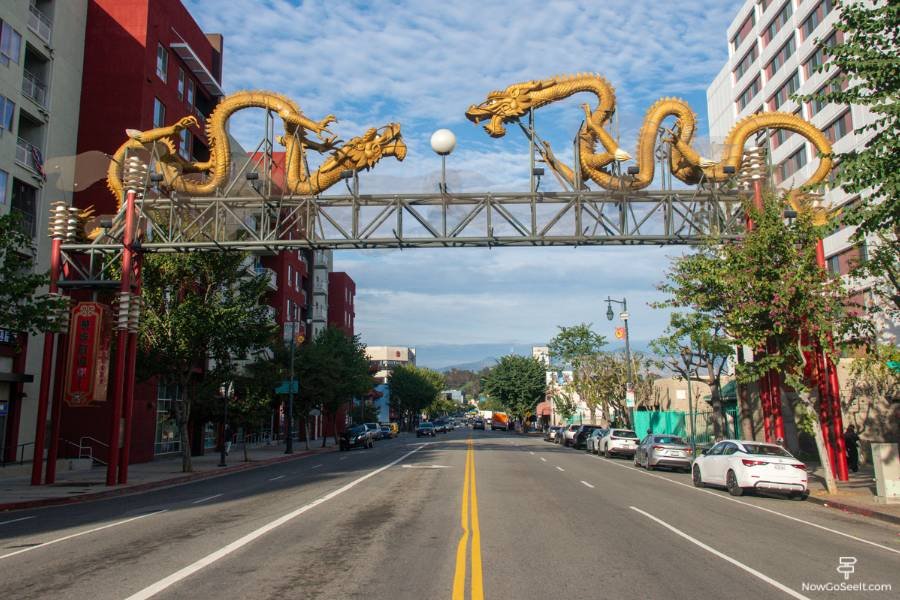
The Chinatown Gateway Monument marks the main entrance into the neighborhood and instantly sets the tone for your visit. Its bright red columns and dragon roofline welcome you from Downtown LA, and it’s usually the first photo people take when starting their day here. Traffic moves quickly through this intersection, but there’s a safe sidewalk where you can pause long enough to frame a clean shot. The gate also helps orient first-time visitors because so many key blocks extend outward from this point. It’s one of the simplest stops in the area, but it helps build a sense of place before diving into the rest of Chinatown.

Chinatown Central Plaza
Map: Google Maps
Website: Link
Chinatown Central Plaza is the area most people know from postcards and older Hollywood films, and it’s a fun spot to experience the mix of shops, food stands, and neon signs. The plaza is compact and walkable, and the layout helps you skip around to different storefronts without much planning. The Bruce Lee Statue draws attention, mostly because people don’t expect to see a tribute like this in the center of a shopping court. The plaza looks best when the overhead lanterns are lit for festivals or holidays, but it’s lively enough on a regular weekday. This is also where several small boutiques operate, so it doubles as a quick catch-all area for photos, snacks, and browsing.

Bruce Lee Statue
Map: Google Maps
In the center of Chinatown Central Plaza sits the Bruce Lee Statue. It’s one of the most recognizable landmarks in the neighborhood. The bronze statue captures Bruce Lee mid-motion, reflecting the speed and control that made him an icon in film, martial arts, and pop culture. A line of people gathers here for photos, often with your best kung-fu kick pose. The statue connects Chinatown to a broader Los Angeles cultural story, especially given Bruce Lee’s lasting influence on the city.

Far East Plaza
Map: Google Maps
Far East Plaza has become one of Chinatown’s most talked-about food destinations thanks to its mix of traditional spots and newer kitchens. The plaza stretches across multiple levels, but you’ll find most everything on the ground level along an open-air walkway. It’s home to bakeries, sandwich counters, noodle shops, and snack stands, making it a great place to mix and match small bites. Visitors often find themselves circling twice because the options can feel overwhelming at first glance. Lines move quickly, though, and most places offer takeout if you prefer to wander while you eat. Cookbook store Now Serving is here, so you can pick up something for your kitchen at home before heading out. (More on that below)

Saigon Plaza
Map: Google Maps
Saigon Plaza Shopping Center has a little of everything, but clothing is the clear focus once you start walking the aisles. Most of the space is packed with small stalls selling casual wear, street-style outfits, accessories, and trend-driven pieces at prices that invite browsing. Mixed in are a handful of shops selling bags, shoes, jewelry, and random household items, which gives the place a slightly chaotic but familiar feel. It’s the closest thing we’ve found in the U.S. to the kind of Asian-style street markets we’ve spent time in across Hong Kong, China, or Thailand. The layout isn’t polished or curated, and that’s part of the appeal—it feels functional and dense, not designed for Instagram. You can move quickly or take your time digging through racks, depending on your mood. If you’re looking for a shopping experience that feels more like a market than a mall, this is one of the strongest examples around.

Chung King Road
Map: Google Maps
Chung King Road is best known for its art galleries and creative storefronts, and the narrow pedestrian pathway makes it ideal for a slower walk between exhibits. Galleries rotate their shows often, so you never quite know what you’ll find inside. At night during openings, the entire block feels like one large event with visitors stepping in and out of each space. During the day it’s quieter, giving you a chance to appreciate the architecture without the crowds. Long-standing antique shops like Alex Cheung Co also operate here, giving you the opportunity to hunt for treasures.

Thien Hau Temple
Map: Google Maps
Website: Link
Thien Hau Temple is one of the most important cultural and spiritual landmarks in Los Angeles’ Chinatown, dedicated primarily to Mazu, the sea goddess known for protecting fishermen and sailors. Inside, the temple honors multiple deities, including Guan Yu, widely respected for loyalty and righteousness, and Tu Di Gong, the earth god associated with local protection, wealth, and merit. Informational panels explain how these figures are represented, why they are worshipped, and how their roles connect to daily life, history, and tradition. The space is active rather than museum-like, with altars, offerings, and ritual objects arranged throughout the interior. The smell of incense is immediate and constant, lingering in the air as visitors move through the rooms. During Lunar New Year and major festival dates, the temple becomes especially busy, with ceremonies, incense burning, and community gatherings taking place throughout the day. Even outside of holidays, it’s a meaningful stop that gives context to the religious practices and beliefs that continue to shape Chinatown today.
Chinese American Museum
Map: Google Maps
Website: Link
(Free Admission for NARM Members)
The Chinese American Museum highlights the history of Chinese communities across Southern California through rotating exhibits, photographs, and archival materials. It’s located inside the historic Garnier Building, one of the oldest structures tied to LA’s early Chinese population. Exhibits are easy to navigate and don’t take long to explore, making it a good fit for anyone on a tight schedule. Museum staff are usually available to answer questions about specific displays or upcoming programming. It’s also a strong pick if you’re tagging on multiple cultural stops around El Pueblo and Union Station. For visitors interested in a deeper context about the area, this is a straightforward way to add it to your day.
Broadway Street
Map: Google Maps
Broadway Street is one of the busiest corridors in Chinatown, and where the neighborhood feels most active throughout the day. Street vendors line sections of the sidewalk, selling everything from fresh fruit and snacks to small household items and souvenirs. The constant movement of pedestrians and nearby businesses makes for a unique sidewalk shopping experience. It’s common to hear multiple languages being spoken as locals and visitors move between shops and food counters. Broadway also acts as a connector, linking plazas, restaurants, and transit stops in a way that keeps foot traffic steady. Even a short walk here gives a clear sense of how Chinatown functions as a working neighborhood, not just a visitor destination. It’s less about stopping at one specific attraction and more about experiencing the flow of daily life.

Golden Dragon Parade & Lunar New Year Celebration
Website: Link
Golden Dragon Parade & Lunar New Year Celebration is Chinatown’s biggest annual event, drawing crowds across several blocks. Performers, community groups, and floats create one of the largest Lunar New Year celebrations in Southern California. The schedule changes year to year, but the parade usually takes place on a weekend to accommodate bigger audiences. Expect lion dances, firecrackers, and plenty of street vendors selling snacks and souvenirs. Because attendance is high, arriving early gives you better options for viewing spots. If you enjoy packed festivals and cultural performances, this belongs near the top of your list.
Los Angeles State Historic Park
Map: Google Maps
Website: Link
Los Angeles State Historic Park sits right at the edge of Chinatown and offers open green space with clear skyline views. The walking paths loop around the park’s perimeter, giving you space to unwind between food stops. The park is popular with locals, joggers, and dog walkers, and it often hosts pop-up markets or music events. Downtown buildings frame the backdrop, making it a good place for casual photos. Because it's an easy walk from Broadway, you can fold it into your Chinatown itinerary without needing separate transportation.
Best Restaurants in Los Angeles Chinatown
The best restaurants in Chinatown, Los Angeles range from long-established spots to modern storefronts in Far East Plaza, offering everything from noodles to regional dishes. This section highlights options for travelers looking for the best food in Chinatown, Los Angeles during a day of exploring.
Yang Chow
Map: Google Maps
Website: Link
Yang Chow has been part of Los Angeles Chinatown since 1977 and remains best known as the home of the original Slippery Shrimp. The restaurant was founded by five brothers from the Yun family, who converted a former diner into a modest two-room operation. An early 1980s LA Times article put Slippery Shrimp on the map, and diners famously showed up with the clipping in hand asking to try the dish by name. From there, Yang Chow steadily grew into one of Chinatown’s most recognizable restaurants while staying rooted in Mandarin and Szechuan cooking. The menu still leans toward shareable plates, making it easy to order a few classics for the table. The dining room feels familiar rather than trendy, which is part of why so many people return year after year.
Howlin’ Ray’s
Map: Google Maps
Website: Link
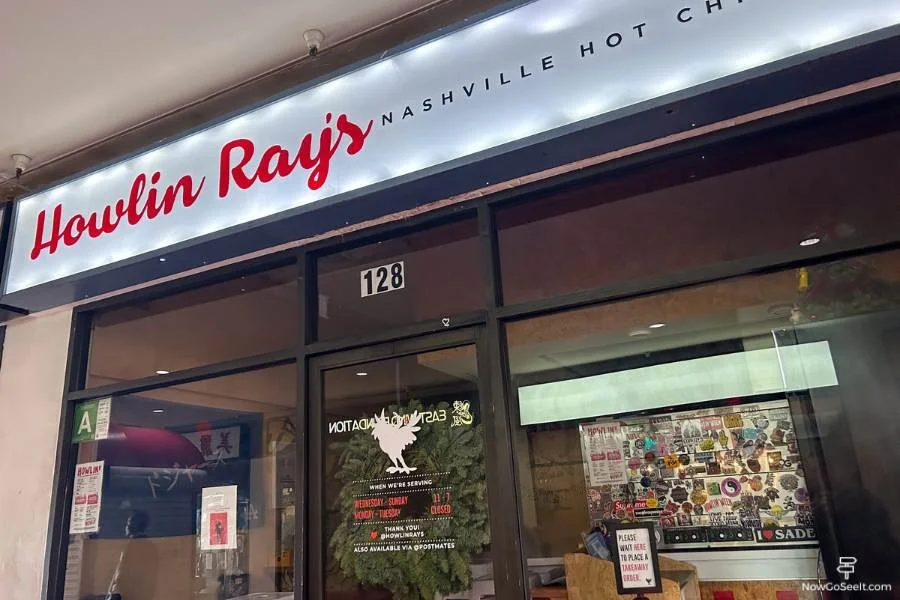
If you’re in the neighborhood looking for a great meal but aren’t a fan of Chinese cuisine, check out Howlin’ Ray’s. It draws crowds for its Nashville-style hot chicken. Visitors frequently line up in advance, though the staff move quickly to keep the wait manageable. The menu is straightforward, with chicken offered in multiple spice levels that range from mild to extremely hot. Because the seating area is modest, many people take their food to go. The restaurant helped turn Far East Plaza into a destination for modern food vendors and continues to anchor the building’s traffic.

Phoenix Inn
Map: Google Maps
Website: Link
Phoenix Inn is a long-running Chinatown restaurant best known for Cantonese-style dishes served in a classic banquet-style dining room. The menu leans heavily into seafood, noodle dishes, and traditional preparations that are designed for sharing, especially during group meals. Large round tables and wide spacing give the space a comfortable, old-school feel that hasn’t changed much over the years. Phoenix Inn is especially popular for family gatherings and celebrations, which means the room can fill quickly during peak hours. The kitchen focuses on consistency rather than trends, and many diners return for the same dishes they’ve been ordering for years. Its location makes it easy to pair with a visit to nearby plazas or shops before or after a meal. If you’re looking to experience a more traditional side of Chinatown dining, this is one of the anchors of the neighborhood.
Pho 87
Map: Google Maps
Pho 87 offers a simple lineup of pho, rice dishes, and side items that make it one of the neighborhood’s most reliable casual restaurants. With nearly 40 years in business, they were in the Pho game long before it was trendy. The broth has earned steady praise, and the menu provides several variations to choose from. The dining room is bright, with tables placed for quick turnover during busy hours. It’s on the outskirts of Chinatown, so many travelers stop here before continuing to nearby plazas or shops. It’s a useful option for visitors who want a straightforward bowl of pho before moving on to other activities.

Lasita Rotisserie & Natural Wine
Map: Google Maps
Website: Link
Lasita Rotisserie & Natural Wine sits inside Far East Plaza and has become one of the most talked-about modern Filipino restaurants in Los Angeles. It grew out of LASA during the pandemic, with longtime collaborators Chase and Steff Valencia and chef Nico de Leon reworking the space into something more casual, louder, and more fun without losing focus on the food. The menu centers on rotisserie-style chicken and pork lechon, seasoned with garlic, lemongrass, ginger, and other aromatics that come through clearly without feeling heavy. Dishes are designed for sharing, which fits the room’s energy and keeps meals social rather than precious. On weekends, Kapé Lasita takes over the space in the mornings with Filipino-inspired coffee drinks, housemade pastries, and breakfast sandos, making it a two-in-one stop depending on the time of day. It’s a place that feels very much of its moment in Chinatown, blending contemporary cooking with a relaxed, come-as-you-are attitude.
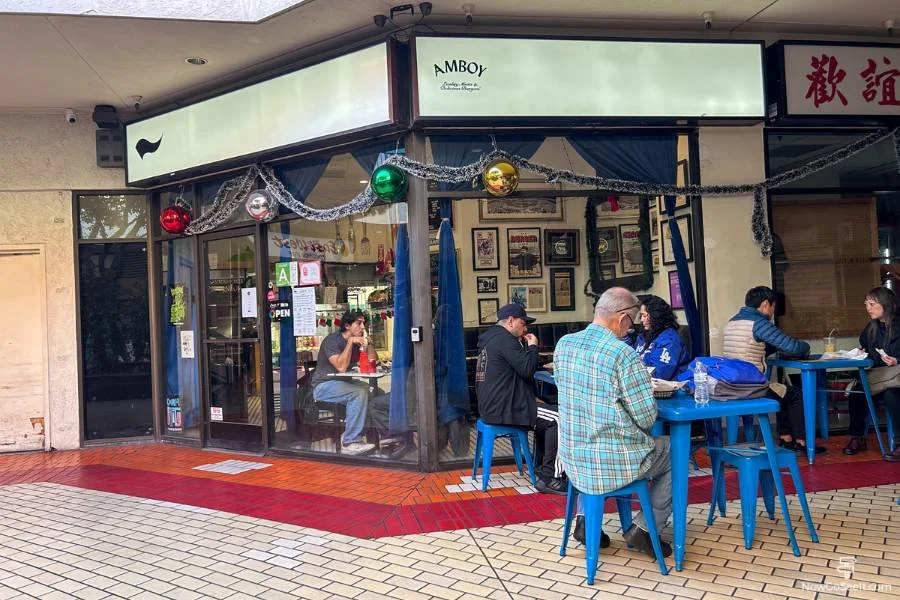
Amboy
Map: Google Maps
Website: Link
Amboy serves burgers and sides from a compact space inside Far East Plaza, drawing steady turnout from both locals and visitors. The patties are cooked to order, and the menu sticks to a focused lineup that emphasizes consistency. Seating in the plaza is limited, but many people enjoy eating outdoors or grabbing food to go. Because Amboy is part of the same complex as several other modern eateries, it works naturally into a multi-stop food crawl. The flavors differ from the traditional Chinese and Vietnamese options nearby, which diversifies the overall dining experience in Chinatown. It’s well-suited for a quick meal between shops and attractions.
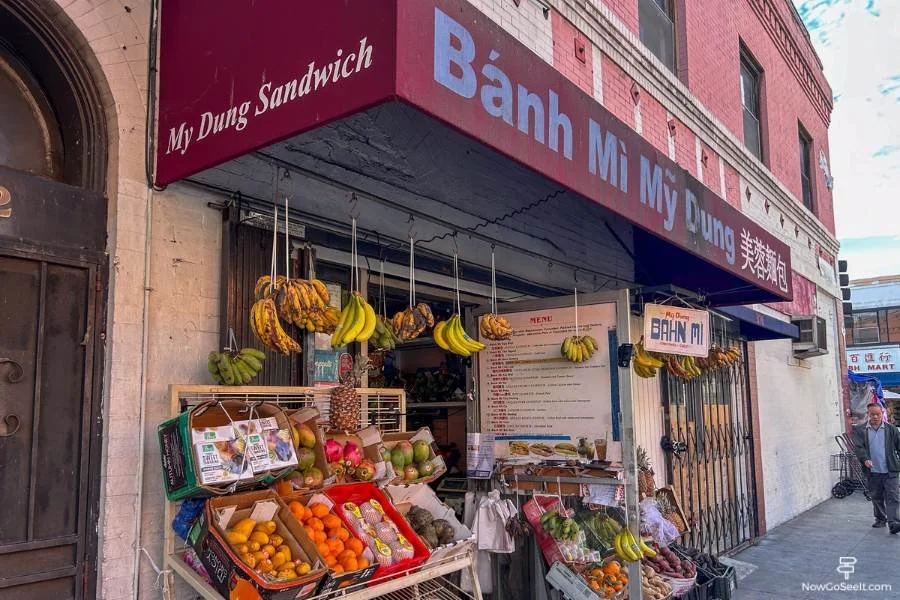
My Dung Sandwich Shop
Map: Google Maps
Despite its unfortunate name, My Dung Sandwich Shop has been serving unbeatable banh mi sandwiches for years. The menu is straightforward, with ingredients prepared fresh and assembled quickly. Most sandwiches are just $7. The portions make it convenient for a portable lunch, especially if you’re exploring on foot. Its long-standing presence in the neighborhood gives it local credibility. Because the shop is small, orders move fast without much wait time. It’s a dependable option for travelers wanting a quick and inexpensive meal.
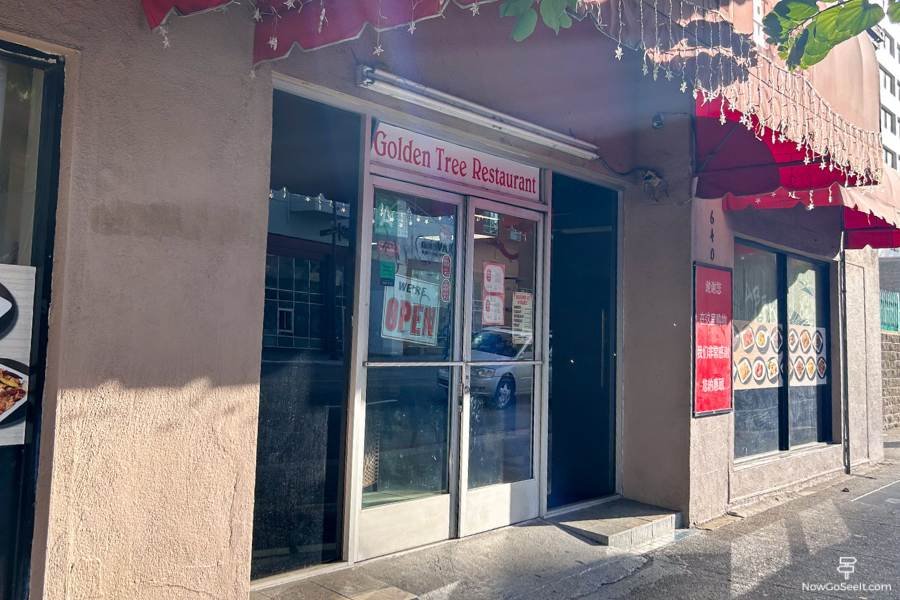
Golden Tree
Map: Google Maps
Website: Link
Golden Tree offers Chinese dishes in a bright, casual dining room positioned near several high-traffic streets in Chinatown. Visitors appreciate the portion sizes, which make it easy to share plates among groups. The menu spans a range of items, from vegetable-based options to heavier meat dishes. Because the restaurant sees a consistent flow of customers, food tends to come out quickly. Its location near the entry to Chinatown makes it a sensible first stop.

Phoenix Bakery
Map: Google Maps
Website: Link
Phoenix Bakery is one of Chinatown’s most well-known bakeries, especially recognized for its strawberry whipped cream cake. The bakery case is packed with buns, pastries, cookies, and slices ready to go, making it easy to grab something without committing to a full sit-down stop. Many locals come here specifically for celebrations, which has helped the bakery build a reputation that extends well beyond Chinatown. The interior is functional and focused on turnover, reflecting how popular the place remains throughout the day. It’s common to see people carrying boxed cakes out the door while others stop in just for a quick pastry. Because it sits near major walking routes, Phoenix Bakery fits naturally into a sightseeing loop. Even if you’re already full, it’s one of those places people remember and come back to later.
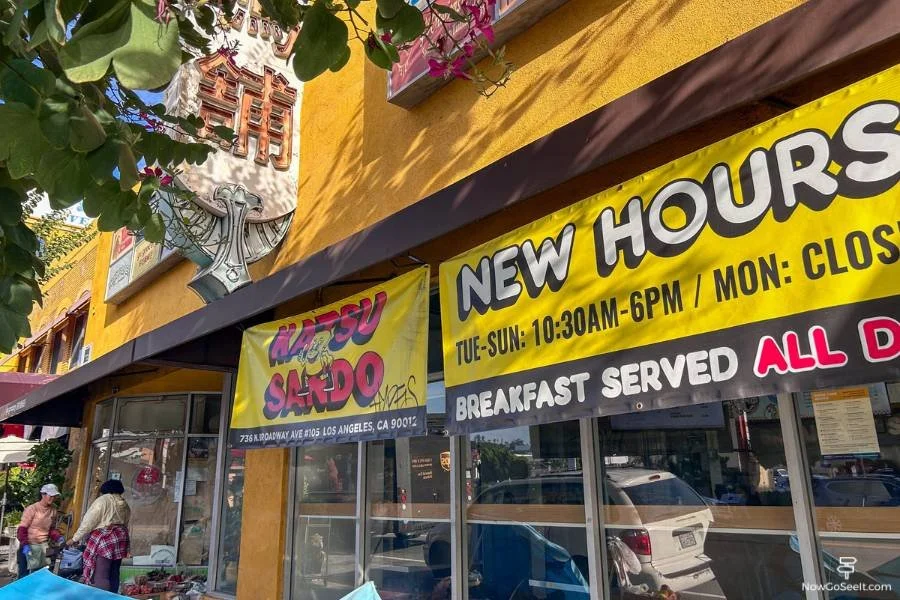
Katsu Sando
Map: Google Maps
Katso Sando is one of my absolute favorite places to eat in Los Angeles, full stop. The menu centers on Japanese-style sandos built around thick, crisp-edged katsu with soft bread that somehow holds everything together without falling apart. Portions are generous, but the balance is what stands out—rich, crunchy, and clean all at once. It’s the kind of spot where even a simple order feels dialed in, with no filler items or unnecessary extras. The space itself is compact and straightforward, keeping the focus on the food rather than the room. Katso Sando fits naturally into a Chinatown food crawl, especially if you’re bouncing between very different cuisines in one afternoon. It’s one of those places I’ll go out of my way for, even when I’m not already in the neighborhood.
Airline Miles and Hotel Points 101
We share tips and tricks for credit card points and miles. These tools help us save money on our trips around the world by allowing us to accumulate airline and hotel points.
Shopping in Los Angeles Chinatown
Chinatown Los Angeles shopping ranges from tea markets and bookstores to eclectic gift shops and specialty stores. This section highlights where to browse unique items in Chinatown, Los Angeles, without leaving the main walking routes.

Kimthai Garden
Map: Google Maps
Kimthai Garden is a plant nursery in Los Angeles Chinatown, and it’s the kind of place where you walk in for one plant and leave thinking about where you can fit three more at home. It was started by brothers Jimmy Minh and Sunday Sok as a way to share Thai culture through plants, with everything displayed and potted with real care. The selection covers a wide range of indoor and outdoor plants at different price points, so it works whether you’re buying a small starter plant or something bigger that becomes the centerpiece of your space. They also stock planters and pots, which makes it easy to build a full setup without bouncing to another store. Depending on what’s in at the moment, you might also see home decor pieces like wood carvings, crystals, and fountain-style items that lean into the same general vibe as the neighboring shops. It’s close to the Spring Street and Alpine Street corner, so it fits naturally into a Chinatown shopping loop.
Now Serving
Map: Google Maps
Website: Link
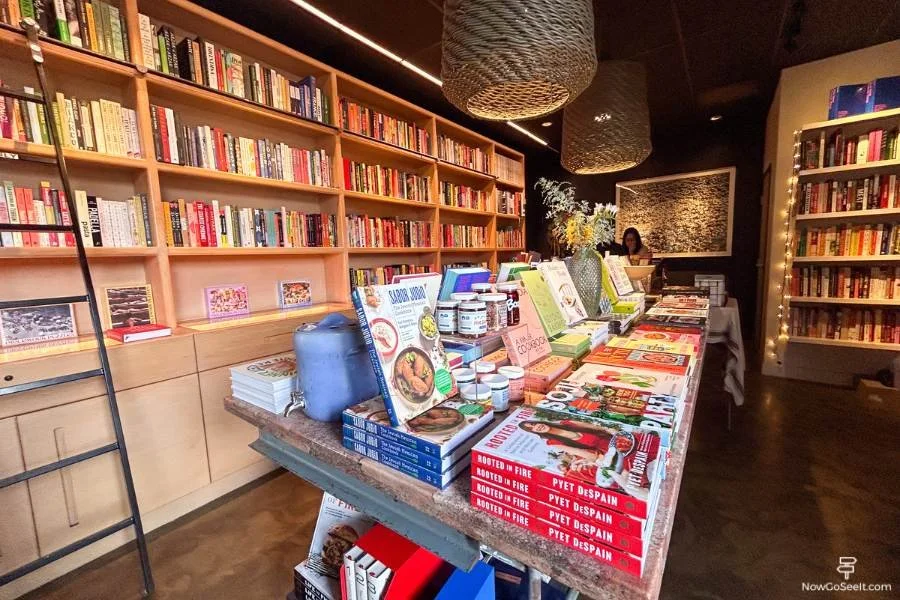
Now Serving is a cookbook shop carrying titles that range from classic culinary works to recently published collections by contemporary chefs. The store’s shelves are curated, offering both international selections and local-interest books. Visitors who enjoy cooking often spend more time here than expected because the selection is thoughtful and deep. The shop regularly hosts signings or events, adding another layer of activity depending on the day. Because it’s located within Far East Plaza, many travelers pair this stop with meals from nearby vendors. The space is compact but organized in a way that makes browsing straightforward. It’s a valuable addition for visitors who appreciate food culture beyond dining.
Alex Cheung Co.
Map: Google Maps
Alex Cheung Co. is a longstanding shop in Chinatown known for its varied selection of imported goods. The inventory includes decorative items, practical household pieces, and small accessories. The aisles are filled with displays that shift periodically, giving returning visitors something new to look at. The store’s eclectic mix makes it easy to find souvenirs or household items that differ from what you might see in mainstream retailers. Its location keeps it accessible while you explore the main streets. Because the shop has served the community for years, it maintains a familiar presence within the neighborhood. It’s a flexible stop for visitors looking to browse without a specific purchase in mind.

Neo Happyland
Map: Google Maps
Neo Happyland offers a colorful and playful range of character-themed merchandise that appeals to shoppers looking for lighthearted souvenirs. The store carries toys, accessories, and other small items featuring popular animated figures. Its bright interior stands out among the mostly shuttered Bamboo Plaza Mall. Many travelers stop in for a quick browse, especially families or collectors of character goods. The inventory changes often, which encourages repeat visits. Because it sits near several major walking routes in Chinatown, it can be conveniently added to any shopping circuit.
What to Do at Night in Los Angeles Chinatown
Nighttime in Chinatown, Los Angeles centers around bars, music venues, late-night food, and small gatherings that continue after the day’s shops close. This section highlights options for what to do at night in Chinatown, Los Angeles, beyond restaurants and daytime attractions.
General Lee’s
Map: Google Maps
Website: Link
General Lee’s is one of Chinatown’s most recognizable bars, known for its multi-level interior and occasional live events. The Lee family opened a Chinatown restaurant in the 1880s. The current space mixes traditional architectural features with contemporary bar design, creating a setting that feels distinct within the neighborhood. Nights here tend to grow busier as groups arrive from nearby restaurants. The layout encourages movement between floors, with seating arranged in sections rather than one large room. Music varies depending on the night, and DJs appear frequently during weekends. Because the bar sits close to Central Plaza, it’s easy to add to any evening itinerary in the area. It offers a reliable nightlife anchor for visitors staying out later.
Apotheke
Map: Google Maps
Website: Link
Apotheke brings a themed cocktail experience to Chinatown with a focus on presentation and carefully styled interiors. The bar’s design incorporates theatrical elements that set it apart from standard lounges. Guests are seated by staff, which helps manage the pacing and atmosphere. The menu changes periodically, with drinks categorized in a way that fits the bar’s concept. Visitors often stop here after dinner, making it a popular part of nighttime plans. Its entrance is understated, giving it a low-profile appearance from the street. Once inside, the space feels immersive and different from anything else in Chinatown. It serves as a destination for those looking for a more stylized evening.

Melody Lounge
Map: Google Maps
Melody Lounge is a basement bar with dim lighting and a relaxed approach to nightly entertainment. Its location below street level gives it a quieter feel compared to bars along main roads. Music plays a central role here, ranging from curated playlists to themed DJ nights. The space is intimate, which allows for easy conversation regardless of crowd size. Visitors often incorporate it into bar-hopping plans between General Lee’s and other nearby venues. Because it opens later into the evening, it works well as a second or third stop. The bar’s character stems from its understated design and loyal local following.


Things To Do in Los Angeles Chinatown:
Chinatown Gateway Monument
Chinatown Central Plaza
Bruce Lee Statue
Far East Plaza
Saigon Plaza
Now Serving
Chung King Road
Alex Cheung Co.
Thien Hau Temple
Chinese American Museum
Broadway Street
Golden Dragon Parade & Lunar New Year Celebration
Los Angeles State Historic Park
Yang Chow
Howlin’ Ray’s
Phoenix Inn
Pho 87
Lasita Rotisserie & Natural Wine
Amboy
My Dung Sandwich Shop
Phoenix Bakery
Golden Tree
Katsu Sando
Kimthai Garden
Neo Happyland
General Lee’s
Apotheke
Melody Lounge