Cartagena, Colombia Cruise Port: What To See in Cartagena
Now Go See It is reader-supported. When you buy through links on our site, we may earn an affiliate commission.
Discover the enchanting colonial architecture, historic fortresses, and exotic wildlife of Cartagena during your day in port.
One of the most anticipated stops on our Panama Canal Cruise was the day at port in the Colombian coastal city of Cartagena. Our stop was very brief, lasting only from 7 am to 2 pm. We still managed to enjoy the city.
How To Get To the City Center from the Cartagena, Colombia Port
From the Cartagena cruise terminal, it's about a 15-minute taxi ride to the old city walls, depending on traffic. If you're docking at the Cartagena Colombia port cruise ship terminal, expect a bit of walking just to exit the port zone before you find transport.
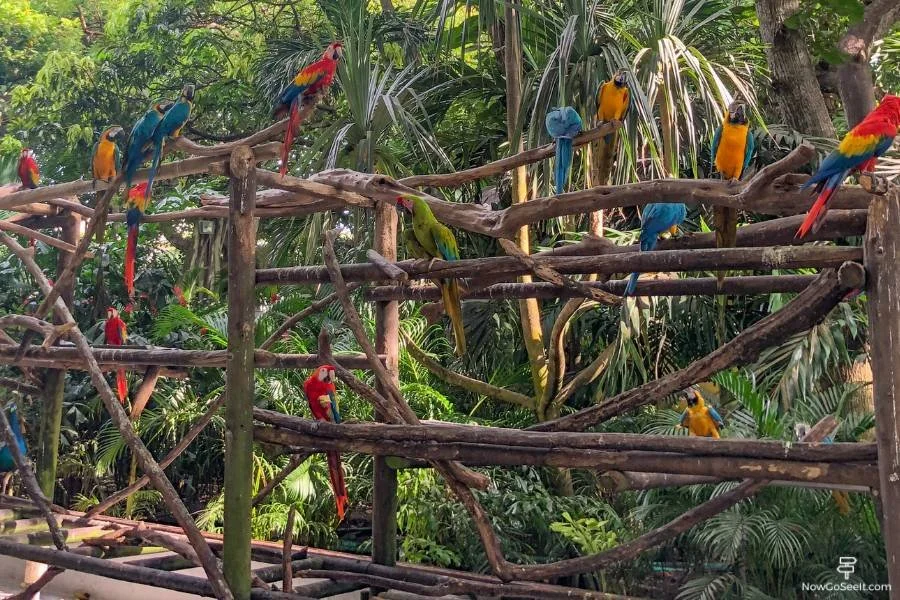
The Cartagena cruise port is about a 10-minute drive from the Walled City. The port itself isn’t just a gate—it’s a mini-zoo and gift shop complex called Puerto de Cruceros Cartagena de Indias. When you exit the ship, you’ll first walk through a landscaped park with parrots, flamingos, monkeys, and souvenir stands.
From there, you can catch a taxi at the official stand just outside the exit gate. Taxis don’t use meters here, so expect to negotiate the price. A ride into the city center should cost around $5–$10 USD, depending on your Spanish and confidence level. Rideshare apps like InDriver and Uber are semi-functional in Cartagena, but not always reliable near the port. Most people just grab a taxi.
Is Cartagena, Colombia Safe?
Cartagena is generally safe in the tourist zones, especially within the walled city and Bocagrande, but keep your valuables close and skip solo wandering. Most visitors to the Cartagena Colombia cruise port won’t run into trouble, but scams and pickpocketing still happen.
Cartagena is one of Colombia’s most touristed cities and generally safe for cruise passengers, especially inside the Walled City and Getsemani neighborhoods. You’ll want to stay alert for petty theft, especially pickpocketing and bag snatching in crowded tourist zones. If you happen to have a late departure, avoid walking alone at night outside the main areas. Aggressive street vendors and unsolicited “guides” are common but not dangerous—just say no and keep walking. Taxis are safe when arranged at official stands. The biggest risk is overpaying for something you didn’t want in the first place. Common sense goes a long way here.
How to Get Around Cartagena
Walking is the best way to explore the walled city, but taxis and bike taxis are everywhere if you’re venturing into other areas. If you're coming from the Cartagena cruise port, make sure to agree on the taxi price before getting in or use an official dispatcher at the port.
Many of the taxi drivers will offer to stay with you all day for a flat fee. Some other cruise passengers mentioned they had success doing this, but we opted to make our own path.
Most cruise passengers stick to the Walled City, Getsemani, and the Castillo San Felipe fortress—all walkable if you’re comfortable in heat and humidity. The Walled City and Getsemani are pedestrian-friendly with narrow streets, but sidewalks are inconsistent. Wear sunscreen, bring water, and plan for breaks. If you want to avoid walking between sites, taxis are plentiful and affordable. Public buses exist, but are difficult to navigate for short-term visitors. Chivas (party buses) are mainly for organized tours and not a transport option. Rideshare apps may work, but there is no guarantee.
We explored all of old town on foot, including some shopping stops on Calle 36 and Calle 38 (36th and 38th street). This part of town is very friendly for walking. We spent about 90 minutes casually exploring and shopping down each narrow street.
After we finished in the old town, we walked across the Puente Heredia Nuevo Bridge to the Castillo de San Felipe de Barajas. The one-mile walk from the old town to the fort took about twenty minutes.
After visiting the fort, we attempted to catch a taxi again, but the rates were much higher than on the way into town. It was a nice day and we had plenty of time before the ship was due to leave, so we decided to walk back to the port on foot. That walk was pretty easy, but not very scenic. It took us about 45 minutes from the front of the Castillo de San Felipe de Barajas to Park Cartagena (where we got the taxi at the start of the day). Some of the sidewalks were narrow and in disrepair.
What To See in Cartagena
Top places to see in Cartagena Colombia include the Castillo San Felipe, the Clock Tower, Plaza Santo Domingo, and the city walls. If you're wondering: “Cartagena: What to see on a port day?” These are all doable in a few hours without a guide.
Cartagena was a historically important hub for global trade. The city spent many years under the rule of Spain. The Spanish influence is apparent in the colonial architecture on view in the historic central city. The Walls of Cartagena, the portions that remain of the historic city walls, are free to see.
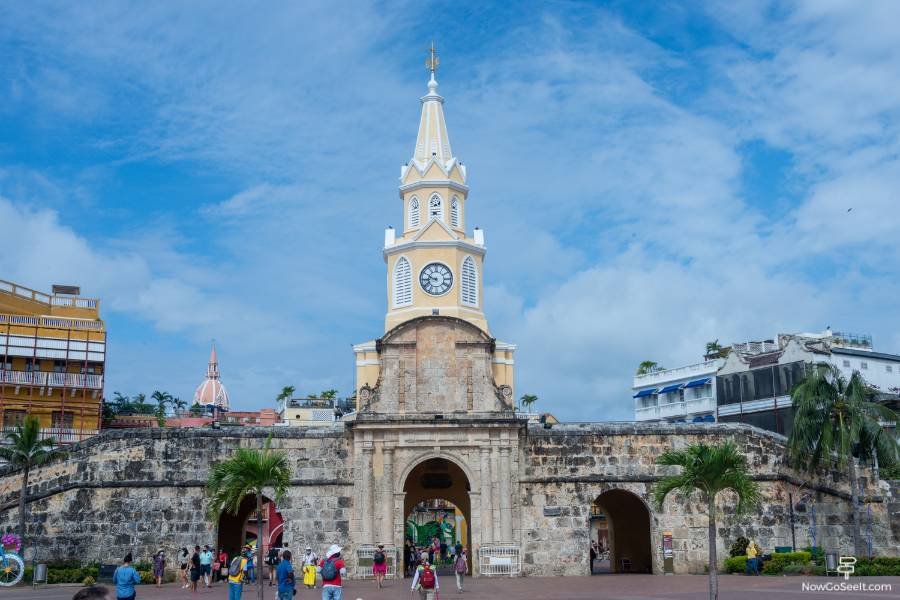
The notable walled city entrance, and one of the most famous images of Cartagena, Monumento Torre del Reloj is a great starting point. Through the gates the wonders of old town Cartagena await.
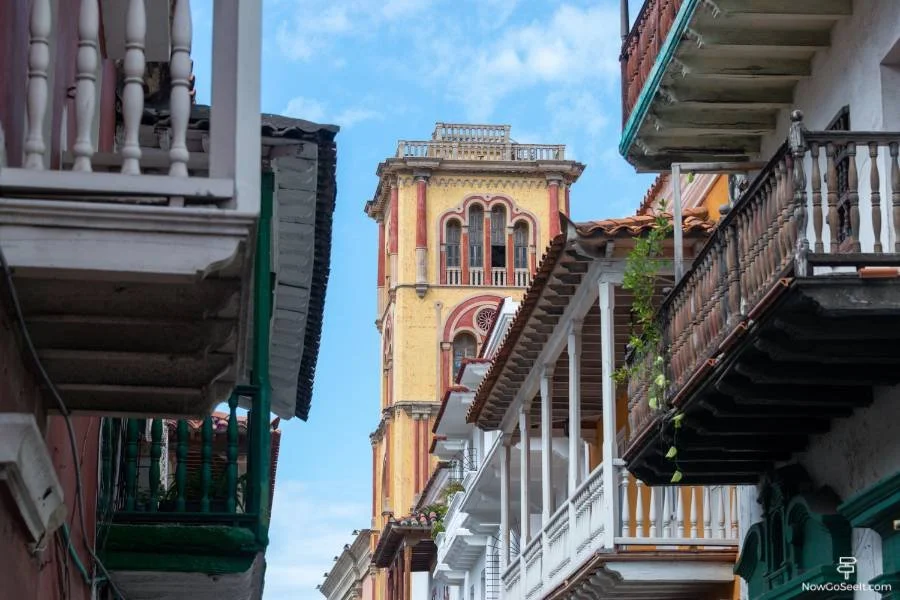
Towering over the city is the Catedral Santa Catalina de Alejandria. The domed tower was built between 1577 and 1617. You can step inside for a free look around, but the exterior architecture is the real star.
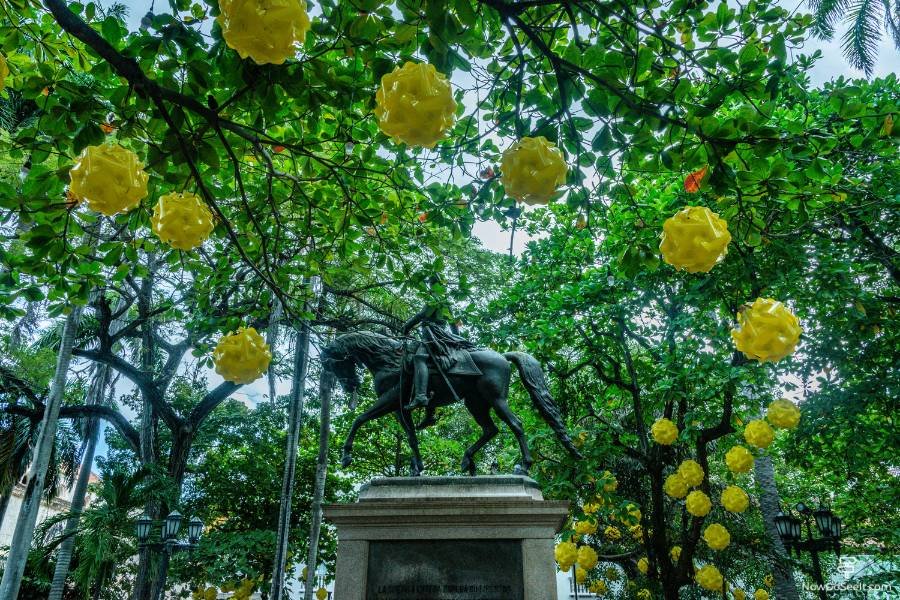
The Plaza de Bolívar is a quaint park with a beautiful tree canopy and a statue of Simón Bolívar, an important figure in South American independence from Spain.
The plaza in front of the Sanctuary of Saint Peter Claver is a great place to sit and enjoy a piping hot Colombian coffee. Filled with metal art sculptures and surrounded by colonial architecture, you can enjoy the beauty of the old city.
Castillo de San Felipe de Barajas is a Spanish-built fortress. The dominating hilltop fort is made of wide stone with a series of underground tunnels. We paid about US$4 each to self-explore the historic site. The view of downtown Cartagena from the fort’s highest point is well worth the steep climb.
A small free zoo, Park Cartagena, is located right outside of the cruise port. It is very easy to get to from the ship. Inside the park, you can see anteaters, monkeys, colorful macaws, and other South American creatures. The park also has an expansive gift shop.

Castillo de San Felipe de Barajas
Map: Google Maps
Website: Link
This 16th-century fortress was built by the Spanish to defend the city from pirates and invaders. It’s the most prominent landmark in Cartagena and one of the best-preserved colonial military structures in the Americas. You’ll climb steep ramps to the top where you’ll get views of the city and port. The inside has tunnels, cannons, and minimal signage, so go early or consider a guide.
Clock Tower Gate (Torre del Reloj)
Map: Google Maps
This yellow clock tower is the main entrance to the historic Walled City. It separates the city from Plaza de los Coches, once a slave market, now a busy square filled with vendors. It’s the most recognizable photo spot in the city, so expect crowds.

Las Bóvedas
Map: Google Maps
These are old military vaults built into the city walls, now converted into souvenir shops. It’s touristy but fun to explore, and one of the best places to buy inexpensive souvenirs, including woven bags and local snacks.

Palacio de la Inquisición
Map: Google Maps
Website: Link
This museum is located inside a colonial mansion with wooden balconies and a courtyard. Exhibits cover the Spanish Inquisition’s impact in Cartagena, complete with torture devices and historical records. The building itself is as much of a draw as the exhibits.

Plaza de San Pedro Claver
Map: Google Maps
A beautiful plaza surrounded by colonial architecture and dominated by the church of the same name. There’s a statue of the saint and several sculptures scattered around. Vendors and performers often congregate here. It’s a good stop for photos.
Getsemani Neighborhood
Map: Google Maps
This neighborhood is just outside the Walled City and is covered in street art, with narrow streets and local restaurants. It’s less polished and more lived-in than the Walled City. Look for Callejon Angosto and Plaza de la Trinidad for the best vibes.
Museo del Oro Zenú
Map: Google Maps
Website: Link
A free museum run by the national bank with a small but well-curated collection of pre-Columbian gold artifacts and indigenous history. Air-conditioned and worth a quick visit, especially if it’s hot outside.
Plaza Santo Domingo
Map: Google Maps
This plaza is home to Botero’s reclining nude sculpture and surrounded by cafes with outdoor seating. It’s a popular area for lunch or a quick drink, with shade trees and photo opportunities.

Convento de la Popa
Map: Google Maps
Website: Link
This hilltop monastery is the highest point in Cartagena and offers panoramic views of the city and coast. You’ll need a taxi to reach the top. The interior has religious artifacts and artwork, but the view is the main draw.
Camellón de los Mártires
Map: Google Maps
A wide pedestrian avenue between the Clock Tower and the modern city, this walkway includes statues of Colombian independence figures. It’s a good connector between the port and historic center.
Naval Museum of the Caribbean
Map: Google Maps
Website: Link
Covers Colombia’s naval and maritime history, including pirate attacks and colonial trade. Exhibits include ship models, uniforms, and dioramas. A bit dated, but a nice stop with air-conditioning and clean bathrooms.
Museo de Arte Moderno
Map: Google Maps
Website: Link
This small museum inside a colonial building focuses on 20th-century Colombian artists. It’s a good break from the sun and often very quiet.
Iglesia de Santo Toribio
Map: Google Maps
A lesser-visited but lovely church in the Walled City with intricate woodwork and fewer crowds. Worth stepping inside if you’re passing by.
Best Cruise Ship Shore Excursions at the Port of Cartagena, Colombia
Popular excursions include old town walking tours, trips to La Popa Monastery, or rum tastings and salsa classes in the city center. For most travelers docking at the Cartagena Colombia cruise port, a guided tour offers the most efficient way to hit the main things to do in Cartagena in one visit.
San Felipe Fortress Tour
This one is almost always included in the excursions because it’s so close and iconic. You’ll get a guide and avoid the hill climb in the heat.
Old City Walking Tour
These excursions guide you through the Walled City’s historic streets, churches, and plazas. The history can be interesting if you get a good guide.
Getsemani and Street Art Tour
Focuses on the colorful Getsemani neighborhood. Most tours include street art, local snacks, and sometimes music or dance stops.
Rosario Islands Beach Break
A boat trip to a private island for swimming and lunch. Many tours go to Isla del Encanto or Isla Barú. Water conditions vary, and it’s a long ride for limited beach time.
La Popa Monastery and City View
You’ll be driven to the hilltop monastery, followed by a quick city tour. Most people do this in conjunction with the fortress and Walled City.
Chiva Party Bus Tour
These music-filled open-air buses serve rum drinks and take you on a drive around the city with occasional stops. It's loud and aimed at a drinking crowd.
Cacao and Coffee Tasting
This tour includes a guided tasting session with local chocolate and Colombian coffee, sometimes with a mini workshop on production.
Palenque Cultural Tour
A day trip to the town of San Basilio de Palenque, one of the first free slave towns in the Americas. You’ll meet locals and learn about Afro-Colombian traditions.
Cartagena by Horse-Drawn Carriage
These excursions circle the Walled City by carriage. You’ll be driven past landmarks with narration. It’s not the most ethical option, and the ride is bumpy, but it’s common.
Rum and Cigar Pairing Experience
Usually hosted in a bar or local shop, this experience lets you taste high-end Colombian rum paired with cigars. It’s air-conditioned and feels a little more elevated than other offerings.

What to See in Cartagena
Historic City Walls and Monumento Torre del Reloj
Catedral Santa Catalina de Alejandria
Plaza de Bolívar
Sanctuary of Saint Peter Claver
Castillo de San Felipe de Barajas
Park Cartagena
Shopping on Calle 36 and Calle 38