Things To Do in Tarragona on a Day Trip From Barcelona
Now Go See It is reader-supported. When you buy through links on our site, we may earn an affiliate commission.
Plan a day trip to Tarragona from Barcelona with Roman ruins, the old town, Tarragona Cathedral, beaches, restaurants, train tips, and a one-day itinerary.
Day Trip To Tarragona Itinerary: (Jump To)
Tarragona From Barcelona Video Guide
Barcelona has enough to keep anyone busy, but eventually the crowds and lines begin to wear thin. Tarragona provides an easy escape with Roman ruins, medieval streets, local restaurants, and a beach less than 90 minutes away by train.
The city began as Tarraco, a Roman settlement founded in the third century BCE. It became the capital of Hispania Citerior and one of the most important Roman cities on the Iberian Peninsula. Today, the surviving sites make up the UNESCO-listed Archaeological Ensemble of Tarraco.
What makes Tarragona fun to explore is that the Roman ruins aren’t contained inside a single archaeological park. They’re spread throughout the modern city, hidden beneath buildings, incorporated into newer walls, and occasionally sitting beside somebody’s apartment. It’s a little confusing at times, but much more interesting than looking at everything from behind a museum rope.
You can leave a Roman circus, walk through a medieval neighborhood, tour a cathedral, and finish the day on the beach. You’ll also climb more hills and stairs than Tarragona’s compact size would lead you to believe.
This Tarragona itinerary fits the main attractions into one reasonably busy day. It isn’t a slow day at the beach, but it also doesn’t require sprinting between ruins while inhaling a sandwich.

Planning a Day Trip to Tarragona from Barcelona
A day trip to Tarragona from Barcelona gives you enough time to see the major Roman ruins, Tarragona old town, the cathedral, and Platja del Miracle. A little advance planning is important because Tarragona’s monument hours can completely rearrange your day.
The easiest days to follow this itinerary are Wednesday through Saturday. The city-run Roman monuments are normally closed on Mondays, while Sundays and holidays have reduced hours that can end around 2:30 PM. Tuesday works for the ruins, but some restaurants and independent businesses choose Tuesday as their weekly day off.
Check the current Tarragona monument hours before leaving Barcelona. Seasonal schedules, maintenance, festivals, and special events can affect access.
At the time of writing, each municipal monument costs €5. A €15 combination ticket includes five sites: the Roman Amphitheatre, Circus-Praetorium, Archaeological Promenade, Colony Forum, and Casa Canals. You break even after three sites and save money if you visit four or five. The savings aren’t life-changing, but it also keeps you from buying another ticket at every stop.
Tarragona Cathedral has its own separate admission fee. It isn’t included with the Roman monuments, despite occupying the site of a former Roman temple.
This route involves around 4 miles (6.5 km) of walking. That doesn’t sound like much, but Tarragona is built on a hill and has plenty of stairs, ramps, and uneven stone paving. Prepare for a long but rewarding day on foot.
If you’d rather let someone else deal with the train and ticket schedule, Viator and GetYourGuide sell guided Tarragona day trips from Barcelona. These usually cost considerably more than traveling independently, but transportation, admission, and a guide may be included. A cheaper compromise is booking a guided Roman Tarragona walking tour for the morning and exploring the remaining attractions on your own.

Barcelona to Tarragona Train: Times, Tickets and Stations
The Barcelona to Tarragona train is the easiest way to make this trip. Just make sure you choose Tarragona Train Station and not Camp de Tarragona because they are absolutely not the same place.
Regional and Regional Express trains depart from Barcelona Sants and Passeig de Gràcia. Travel times generally range from 1 hour 10 minutes to 1 hour 30 minutes, depending on the train and number of stops.
The easiest way to ensure you have the right ticket at the best price is to use the live agents at the ticket counter. You can also buy a ticket at the ticket machines, but they can be confusing.
Tarragona station sits below the historic center, within walking distance of the Roman Amphitheatre and Rambla Nova. Camp de Tarragona serves high-speed trains but is several miles outside the city. Arriving there means taking another bus or taxi before the sightseeing can begin, largely canceling out the time you saved on the faster train.
Once you arrive, there’s no need for a rental car. Nearly everything on this itinerary can be reached on foot. In fact, a car would mostly give you something new to pay to park.
Buses, taxis, and rideshare become useful if you add Pont del Diable, PortAventura World, or one of the beaches farther up the coast. For the central attractions, walking is faster and easier.

Airline Miles and Hotel Points 101
We share tips and tricks for credit card points and miles. These tools help us save money on our trips around the world by allowing us to accumulate airline and hotel points.
One Day in Tarragona: A Complete Tarragona Itinerary
This one day in Tarragona itinerary begins at the central train station and follows a mostly logical route through the Roman sites, Part Alta, and modern city center. It covers the most important things to do in Tarragona without too much backtracking.
7:30 AM - Barcelona Sants Station
Try to leave Barcelona Sants between 7:30 and 8:00 AM. This should put you in Tarragona around the time the Roman monuments open and give you most of the day to explore. Buy a ticket to Tarragona, not Camp de Tarragona. Check the destination again before paying because the similar names are an easy mistake to make. Bring breakfast or coffee for the journey since food service isn’t guaranteed aboard regional trains. The ride isn’t particularly scenic for long stretches, so bring something to read or download before leaving. Keep your ticket available until you’ve passed through the exit at Tarragona. If you miss your planned train, shorten the beach visit rather than racing through every historical site.
8:50 AM - Tarragona Train Station
The central Tarragona train station isn’t much to look at, but it puts you exactly where you need to be. Exit through the main entrance and begin following signs uphill toward the Roman Amphitheatre and Balcó del Mediterrani. The first climb is steep enough to get your attention but short enough that you’ll survive. The amphitheatre is about 0.5 miles (0.8 km) away, depending on which pedestrian route you follow. Don’t bother waiting for a city bus unless hills or stairs are a problem. Once you reach the top, the main Tarragona attractions are grouped much closer together. There are cafés around Rambla Nova if you need coffee, but I’d avoid turning breakfast into an hour-long production. Save the real meal for Part Alta.

9:00 AM - Roman Amphitheatre Tarragona: What to See
The Roman Amphitheatre in Tarragona that visitors see today occupies some prime Mediterranean real estate. I doubt the gladiators cared much about the view, but it certainly makes the ruins more impressive.
The amphitheatre was built during the early second century outside Tarraco’s city walls. It hosted gladiator fights, animal hunts, and public executions. Beneath the arena, trenches allowed workers to move equipment and animals without getting in the way of whatever awful thing was happening above.
In 259, Bishop Fructuosus and his deacons Augurius and Eulogius were executed here. A Christian basilica was later built over part of the arena, followed by a medieval church. Tarragona rarely limits a site to one historical period.
The surviving arena measures approximately 205 feet by 126 feet (62.5 by 38.5 meters). Give yourself around 45 minutes to explore the site and look across the railway toward the beach.

10:00 AM - Balcón del Mediterráneo Tarragona and Rambla Nova
Walk uphill from the amphitheatre to Balcón del Mediterráneo at the end of Rambla Nova. The terrace overlooks Platja del Miracle, Tarragona’s port, the amphitheatre, and the Mediterranean. It’s one of the city’s best viewpoints and, even better, completely free.
There’s a local tradition known as “tocar ferro,” or touching iron. Visitors touch the balcony’s iron railing to ensure they’ll return to Tarragona. I’m not sure why a railing was given control of everyone’s future travel plans, but there’s no harm in trying.
From the balcony, walk west along Rambla Nova. The wide avenue is Tarragona’s main modern shopping and dining street. Look for the Monument als Castellers, a huge sculpture celebrating Catalonia’s human towers. You can step inside the sculpture and become part of the human tower without anyone standing on your shoulders.
Spend around 30 minutes between the balcony and Rambla Nova. There’s more to see later in the modern center, so there’s no need to walk the full length yet.

10:40 AM - Tarragona Roman Circus and Praetorium
From Rambla Nova, head north past Plaça de la Font to the Tarragona Roman Circus. The structure once stretched approximately 1,066 feet (325 meters) through the center of Tarraco and hosted horse and chariot races.
The entrance doesn’t initially look like much. Most of the circus disappeared beneath streets and buildings long ago. The sections that survive include stone vaults and underground passageways that once supported the seating above.
Walking through those corridors makes the original size of the complex easier to understand. It also gives you a break from the sun, which becomes increasingly important as the day goes on.
The adjoining Praetorium Tower connected the lower city with the provincial forum on the hill. Climb to the roof for one of the best views of Part Alta, Tarragona Cathedral, and the coast. The stairs are narrow and sometimes crowded, but the view is worth dealing with them.
Allow about an hour for the complete complex. The scattered layout can be hard to understand without a guide. If time permits, join a tour. If not, the audio guide will keep you on track.
11:50 AM - Tarragona Old Town: Exploring Part Alta
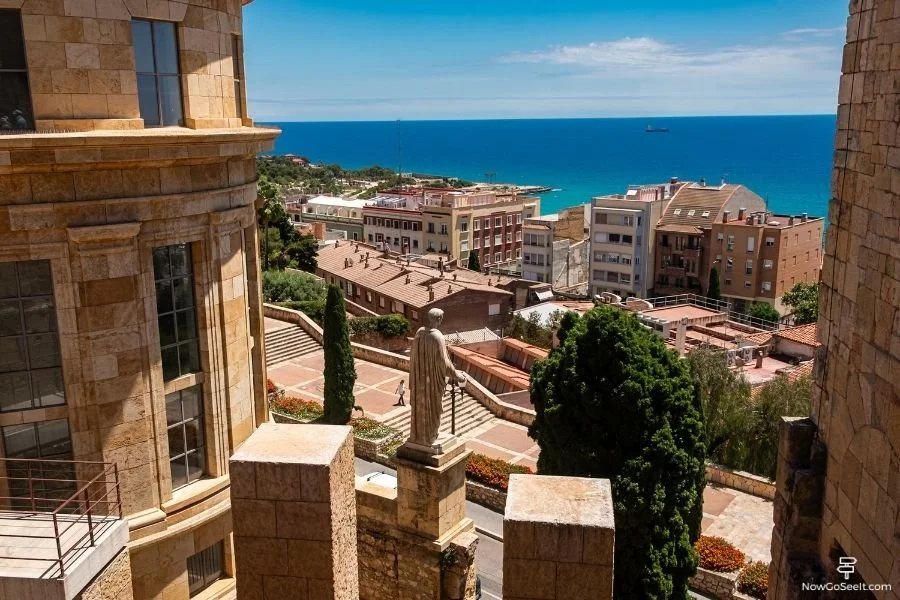
Leave the Roman Circus and continue uphill into Part Alta, Tarragona’s old town. This neighborhood occupies the former Roman administrative center and still follows parts of its ancient street plan.
Pass through Plaça del Rei before following Carrer Major toward Tarragona Cathedral. Medieval houses, arches, restaurants, and shops fill the narrow streets. Roman stonework occasionally turns up inside much newer walls.
Part Alta isn’t sealed off as a tourist district. People live here, which means the streets include laundry, delivery vans, trash collection, and all the other things that don’t appear in tourism advertisements. I think that makes the neighborhood more interesting.
Small shops sell local foods, ceramics, clothing, and the usual collection of Tarragona souvenirs. Hours can be unpredictable around lunch, so don’t assume every store you pass will still be open later. Allow around 25 minutes for the walk to the cathedral, longer if shopping gets in the way.

12:15 PM - Tarragona Cathedral
Tarragona Cathedral stands at the highest point of Part Alta on the former site of the Roman Temple of Augustus. Construction began in the Romanesque period and continued into the Gothic era, giving the church a mixture of styles.
The western façade has an enormous rose window and a grand entrance at the top of a wide staircase. It looks impressive from Carrer Major, especially after you’ve climbed most of the way through the old town to reach it.
Inside, the main attractions are the altarpiece, side chapels, Renaissance organ, Diocesan Museum, and cloister. Unfortunately, during our visit, the interior was unavailable, so I don’t have a first-hand account of the value of the interior visit. General admission currently costs €12.50. That may feel a little high after paying €15 for five Roman monuments, but the ticket includes the cathedral, cloister, museum, Archaeological Route, and a smartphone audio guide.
If you aren’t particularly interested in cathedral interiors, admire the exterior for free and redirect the money toward lunch. The view of the giant doors at the top of the stairs and the carved stone figures around the entrance are worth seeing even if you stay outside.

1:30 PM - Where to Eat in Tarragona: Lunch in Part Alta
Part Alta has some of the best restaurants in Tarragona and is the most convenient place to stop for lunch. Walking down to the waterfront only to climb back up for the Roman walls makes no sense.
Look for a restaurant offering a menú del día. These fixed-price lunches usually include a starter, main course, drink, and dessert or coffee. Menus and prices are normally posted outside, making it easy to compare a few options without awkwardly entering and escaping multiple restaurants.
Tarragona’s local cooking focuses heavily on seafood, rice, and romesco, a sauce made from nuts and peppers. Cassola de romesco is one of the city’s signature dishes and generally includes fish. Restaurants in Part Alta also serve croquettes, tortilla, grilled meats, pasta, and other choices for people who don’t want their entire vacation built around seafood.
La Cuineta, near Tarragona Cathedral, is a convenient option for Catalan food. Check its current opening days before making it a non-negotiable part of the itinerary. Small Spanish restaurants have a habit of being closed on the exact day someone online told you to visit.
Give lunch at least an hour. Ordering three courses and then demanding to leave in 25 minutes isn’t going to make anyone happy. Slow down for lunch like the locals do.
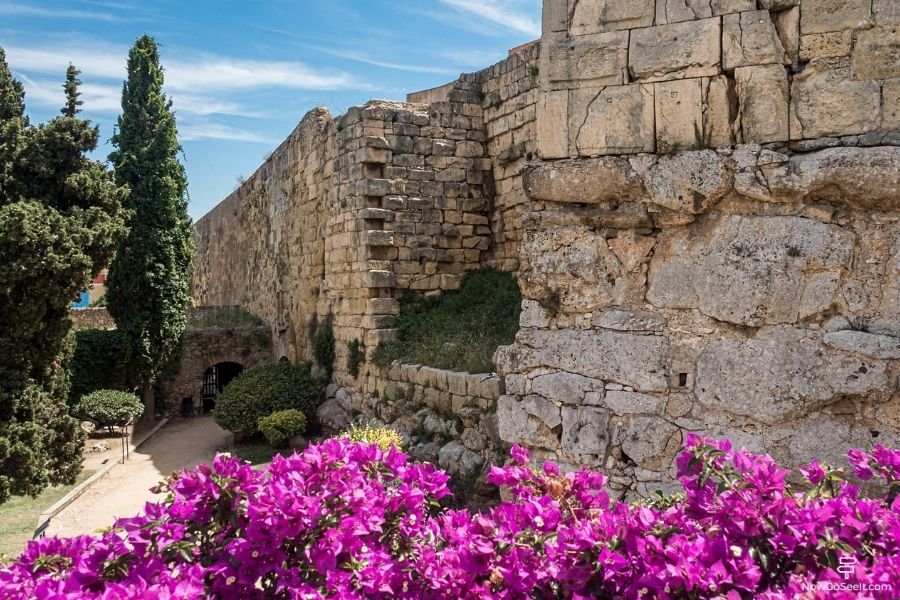
2:45 PM - Roman Wall of Tarragona and Archaeological Promenade
From the cathedral, walk northwest to the Roman Wall of Tarragona and Archaeological Promenade. The earliest sections were built during the second century, making them some of the oldest surviving Roman fortifications outside Italy.
Tarraco’s original wall extended for approximately 2.2 miles (3.5 km). Only part survives, but the promenade follows one of the best-preserved sections.
Look for the difference between the enormous Roman blocks at the base and the smaller stones added during later repairs. Medieval towers, cannons, statues, and gardens have all been added to the route over the centuries.
This site is less immediately exciting than the amphitheatre. It’s basically a long wall, after all. However, it does a much better job of showing how large and heavily fortified Tarraco once was.
Allow around 45 minutes for the complete route. Admission is included with the €15 combined Roman monument ticket. If you’ve reached your personal limit for ancient stone by this point, this is the easiest major site to shorten.

3:45 PM - Mercat Central de Tarragona
Walk downhill through Tarragona’s modern center to Mercat Central on Plaça de Corsini. The market opened in 1915 inside a modernist building designed by Josep Maria Pujol de Barberà.
Inside, vendors sell produce, meat, seafood, cheese, baked goods, and prepared food. If lunch left you too full to eat anything else, buy a snack for the train ride back to Barcelona. Markets have a way of making room in your stomach that didn’t seem to exist five minutes earlier.
Outside, look for the market’s carillon clock. At scheduled times, figures associated with Tarragona’s Santa Tecla festival emerge from the clock. It’s entertaining, but I wouldn’t stand around for an hour waiting for it.
Mercat Central generally opens Monday through Saturday from 8:30 AM to 9:00 PM. It closes on public holidays, so check the current Mercat Central hours if you’re visiting near a festival. Plan to spend around 30 minutes unless you intend to do some serious food shopping.
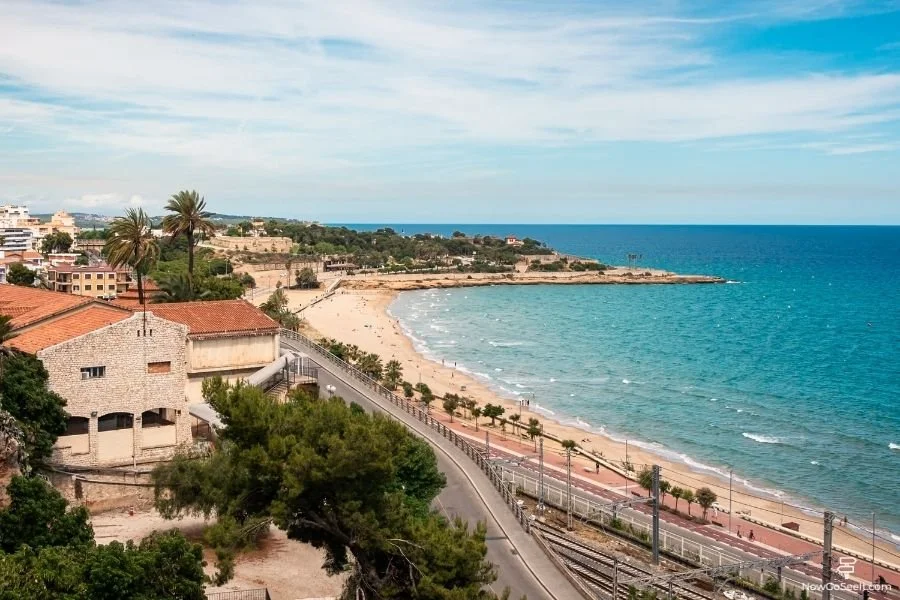
4:30 PM - Beaches in Tarragona: Platja del Miracle
Platja del Miracle is the easiest of the beaches in Tarragona to add to a day trip. It sits directly below the historic center, around a 20-minute walk from Mercat Central.
I wouldn’t travel all the way to Tarragona solely for this beach. There are better beaches along the Catalan coast. Its main advantage is that it’s right there after a day of Roman ruins and hills.
The beach has a long expanse of sand with views back toward the amphitheatre and city. Seasonal lifeguards and beach services operate during the main summer months. Outside summer, expect fewer services and much colder water.
The railway separates portions of the beach from central Tarragona. Use the official pedestrian crossings and don’t attempt to save two minutes by crossing the tracks.
5:45 PM - Returning to Barcelona from Tarragona Train Station
Tarragona train station is about 0.5 miles (0.8 km) from the central section of Platja del Miracle. Leave enough time to find the pedestrian route, change out of wet clothes, and locate the correct platform.
A train between 6:00 and 7:00 PM should return you to Barcelona in time for a late dinner. Check the live departure board before leaving the beach because regional trains don’t always run at convenient intervals.
The return trip takes approximately 1 hour 10 minutes to 1 hour 30 minutes.
The station has basic facilities but isn’t somewhere you’ll want to wait for long. If your train is delayed, the cafés around Rambla Nova provide a better place to spend the extra time. Just remember that the station is downhill and give yourself enough time to get back.

7:00 PM - Tarragona Nightlife Around Plaça de la Font
If you’re staying overnight or have a late return train, head back to Plaça de la Font. The long square fills part of what was once the Roman Circus and faces Tarragona’s city hall.
Restaurant tables occupy most of the plaza during warm weather. It’s easy and convenient, although the main square isn’t necessarily where you’ll find the best prices.
The streets of Part Alta contain smaller restaurants, cocktail bars, and late-night venues. Tarragona doesn’t have Barcelona’s enormous nightlife scene, but there are enough choices for drinks after dinner.
The neighborhood is also much easier to appreciate once the main tour groups have left. Weekend evenings can become noisy around the larger squares, so move into one of the side streets if you want something less crowded.
Leave at least 20 minutes for the downhill walk to Tarragona station. Missing the final useful train because somebody suggested one last drink turns an inexpensive day trip into an unplanned hotel stay.

Check out our other posts about things to see and do in Spain!
Or visit our Destinations page to be inspired.
More Tarragona Attractions If You Have Extra Time
Several worthwhile Tarragona attractions sit outside the central walking route. With another day, add the Tarragona aqueduct, El Serrallo, a better beach, Altafulla, or PortAventura World.
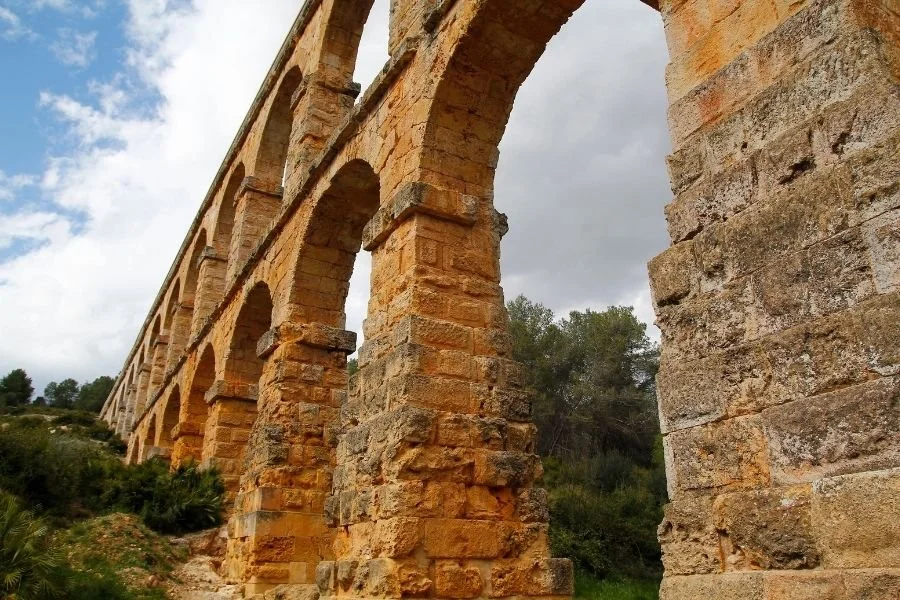
Pont del Diable: Tarragona’s Roman Aqueduct
Pont del Diable, also called the Les Ferreres Aqueduct, stands around 2.5 miles (4 km) north of Tarragona. The Romans built it to carry water toward Tarraco, and its two levels of surviving arches make it one of the area’s most recognizable structures.
The aqueduct sits inside a wooded park instead of the city center. That makes it difficult to add to a one-day itinerary without removing something else.
Access to the park is normally free. City buses can take you near the site, but a taxi is quicker if your time is limited.
When access is open, you may be able to cross the upper section. Allow at least 90 minutes for transportation and exploration. If I had one additional morning in Tarragona, this is where I’d go.
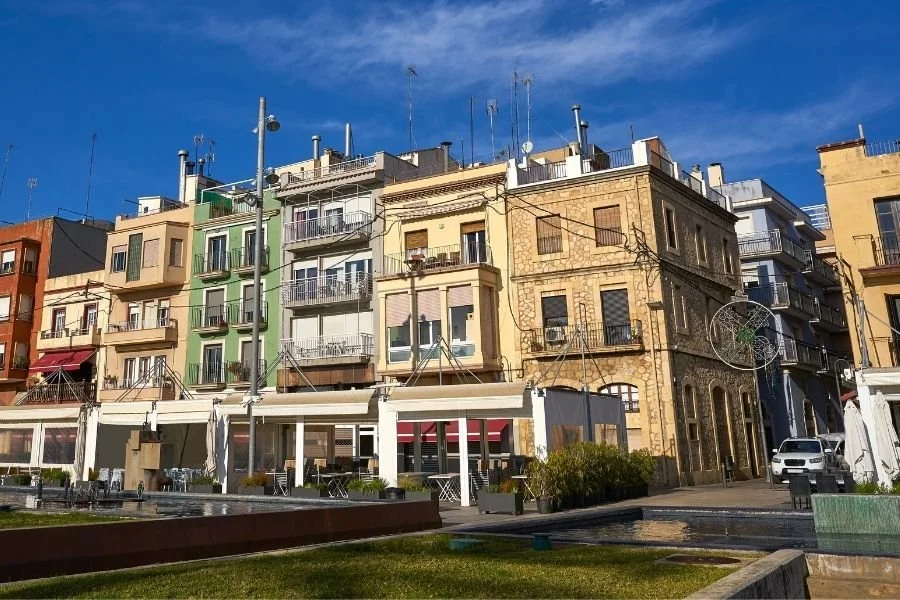
El Serrallo: Tarragona’s Fishing District
El Serrallo is Tarragona’s traditional fishing district on the western side of the port. Boats, seafood restaurants, and waterfront terraces give it a completely different appearance from Part Alta.
The neighborhood is especially popular for grilled fish, rice dishes, and cassola de romesco. If you don’t eat seafood, much of El Serrallo’s appeal disappears. Check the menus before committing to a restaurant.
The Port of Tarragona Museum covers the city’s relationship with trade, fishing, and the Mediterranean. The neighborhood works best around lunch or early evening when the harbor and restaurants are active.
El Serrallo is approximately 1 mile (1.6 km) from Tarragona train station. You can reach it on foot by following the waterfront. Allow two to three hours if you plan to eat and visit the museum.
More Beaches Near Tarragona
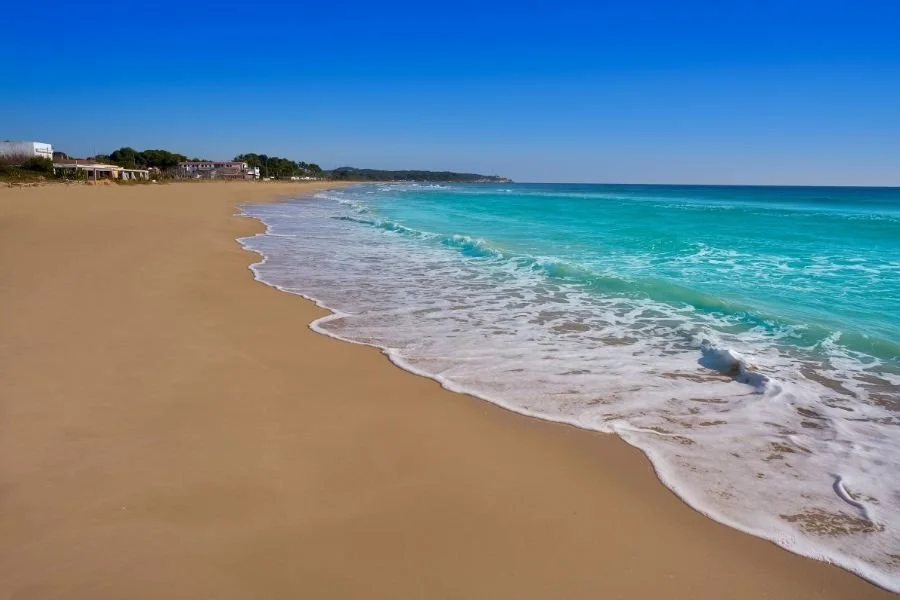
Platja del Miracle wins for convenience, not for being the best beach near Tarragona. Travelers who want a proper beach afternoon should continue farther up the coast.
Platja de l’Arrabassada is one of the area’s most popular beaches and has more seasonal services. Platja de la Savinosa feels less urban, while Platja Llarga provides a much longer expanse of sand.
Cala Fonda, often called Waikiki, sits inside the protected Tamarit-Punta de la Móra area. Reaching it requires walking along coastal and woodland trails.
Local buses connect Tarragona with several coastal areas, although departures are less frequent outside summer. A taxi is a practical alternative when two or more travelers share the fare. Choose one beach for the afternoon rather than trying to collect all of them.

Altafulla Day Trip from Tarragona
Altafulla sits around 9 miles (14 km) northeast of Tarragona. Its upper historic center contains old houses, stone streets, a church, and a large castle overlooking the town.
Below it, the Baix a Mar neighborhood has a beach, restaurants, and former fishermen’s houses. The Roman Villa of Els Munts sits between the old town and coastline and forms part of Tarragona’s UNESCO archaeological ensemble.
Regional trains connect Tarragona with Altafulla-Tamarit, but not every service stops there. The station is convenient for the beach and less convenient for the upper town.
Allow at least four hours to see the Roman villa, historic center, and waterfront. Altafulla makes sense for travelers who enjoyed Tarragona but want a smaller town and fewer major monuments. It also works well with Tamarit if you have a car.

We’re on YouTube!
The same great content without all the pesky reading!
PortAventura World from Tarragona
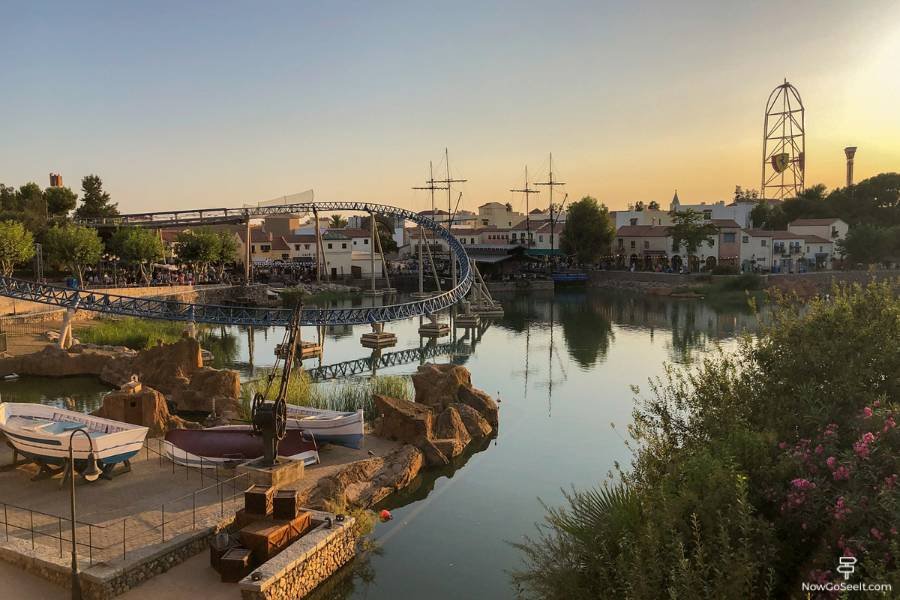
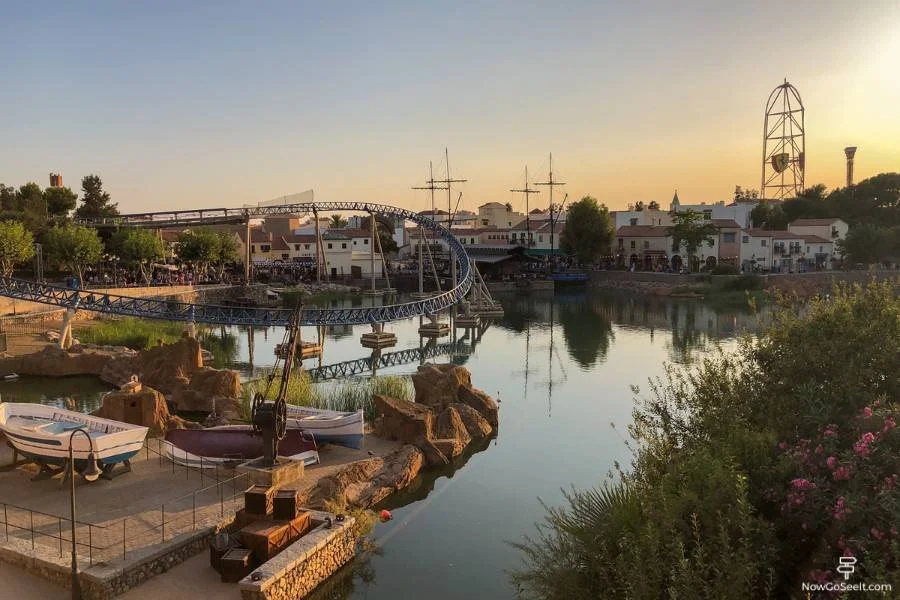
PortAventura World is approximately 7 miles (11 km) southwest of Tarragona near Salou and Vila-seca. The resort includes PortAventura Park, Ferrari Land, and a seasonal water park. You can read about our time there in a previous post.
Don’t try to attach PortAventura to the end of a Tarragona sightseeing day. The resort deserves at least one full day, especially if you want to visit more than one park.
PortAventura Park has major roller coasters surrounded by themed areas based on Mexico, China, Polynesia, the Mediterranean, and the American West. Ferrari Land is smaller and mostly worthwhile for its main rides and Ferrari theme.
Regional trains and local transportation connect the resort area with Tarragona and Barcelona. Operating days and hours vary dramatically throughout the year, so check the calendar before making plans.
Buy admission in advance from the resort or compare transportation packages through Viator and GetYourGuide. As theme-park people, we’d make PortAventura an entire second day. If roller coasters aren’t your thing, the ticket price is a very expensive way to confirm that.
Tarragona Day Trip FAQ
These Tarragona day trip questions cover the practical details that can affect the itinerary. Most importantly, they explain why Tarragona and Camp de Tarragona aren’t interchangeable train stations.

Is Tarragona Worth Visiting?
Yes, Tarragona is worth visiting if you’re interested in Roman sites, UNESCO history, old city streets, or coastal views. Few day trips from Barcelona combine this many different attractions within such a compact area.
The Roman Amphitheatre, Circus, cathedral, Part Alta, market, and beach can all fit into a single day. You won’t have time to examine every archaeological site in detail, but you’ll see enough to understand why Tarraco was important.
Travelers interested primarily in beaches may prefer Sitges or another Costa Daurada destination. Tarragona’s strength is the combination of history, city life, food, and coastline.

Can You See Tarragona in One Day?
You can see Tarragona’s essential central attractions in one day. An early train gives you enough time for the amphitheatre, Roman Circus, Part Alta, cathedral, walls, market, and Platja del Miracle.
You won’t have enough time for every museum, El Serrallo, and Pont del Diable. Trying to add all of them would turn a good day into a transportation exercise.
Follow a geographical route and avoid backtracking up the hill. If you want a slower schedule, a better beach, or a long restaurant lunch, spend one night in Tarragona.
How Long Is the Train From Barcelona to Tarragona?
The Barcelona to Tarragona train usually takes between 1 hour 10 minutes and 1 hour 30 minutes. The exact journey depends on the departure station, train type, and number of stops.
Regional Express trains are usually faster than services stopping at every station. Check the timetable shortly before the trip because schedules change.
Leave Barcelona before 8:00 AM if you want to reach the Roman monuments close to opening time. A later departure is possible, but something will probably need to be removed from the itinerary.
Which Tarragona Train Station Should You Use?
Use Tarragona train station in the city center. It’s within walking distance of the Roman Amphitheatre, Rambla Nova, Part Alta, and Platja del Miracle.
Camp de Tarragona is an outlying high-speed station several miles away. Arriving there requires another bus or taxi ride.
The high-speed train may look faster when you first compare tickets. Once you add the transfer into the center, it usually isn’t as impressive.

Is Tarragona Safe?
Tarragona is generally safe for visitors. The center feels less hectic than Barcelona, but normal city precautions still apply.
Keep your phone and wallet secure around trains, stations, busy monuments, and restaurant terraces. Don’t leave valuables unattended while swimming at the beach.
The hills and slippery paving are more likely to cause trouble than crime. The emergency number throughout Spain is 112.
What Is Tarragona Known For?
Tarragona is best known for Tarraco and its UNESCO-listed Roman monuments. These include the Roman Amphitheatre, Circus, Praetorium, walls, and nearby Les Ferreres Aqueduct.
The city is also known for Tarragona Cathedral, Part Alta, Mediterranean beaches, and the fishing district of El Serrallo. Castells, the famous Catalan human towers, play an important role in local festivals.
Tarragona’s signature dish is cassola de romesco. It combines fish with the nut-and-pepper romesco sauce associated with the region.



Best Things to Do in Tarragona: Quick List
Roman Amphitheatre of Tarragona
Balcón del Mediterráneo
Rambla Nova
Roman Circus of Tarragona
Praetorium Tower
Plaça del Rei
Tarragona Old Town
Part Alta
Tarragona Cathedral
Roman Wall of Tarragona
Archaeological Promenade
Mercat Central de Tarragona
Platja del Miracle
Plaça de la Font
Pont del Diable
El Serrallo
Platja de l’Arrabassada
Platja de la Savinosa
Platja Llarga
Cala Fonda
Altafulla
Roman Villa of Els Munts
PortAventura World