Things To Do in Sitges, Spain: Beaches, Clubs, Food and More
Now Go See It is reader-supported. When you buy through links on our site, we may earn an affiliate commission.
Discover the best things to do in Sitges, Spain, including top beaches, gay nightlife, restaurants, clubs, old town sights, and easy train tips from Barcelona.
Things To Do in Sitges, Spain: Beaches, Clubs, Food and More: (Jump To)
Sitges YouTube Video Guide
What To Know Before Visiting Sitges
Sitges, Spain is an easy add-on to Barcelona with beaches, food, nightlife, and a compact old town that does not require a complicated travel plan. The best things to do in Sitges, Spain are close together, so this is one of the rare beach towns where you can arrive, unpack, and start enjoying the trip almost immediately.
Sitges, Spain is one of the easiest beach towns to add to a Barcelona trip because it gives you beaches, nightlife, food, and old town wandering without requiring a complicated vacation plan. The best things to do in Sitges, Spain are close together, so this is one of those rare places where you can arrive by train, unpack, and barely think about transportation again.
Sitges is a coastal town southwest of Barcelona that somehow fits a real beach vacation, a gay nightlife scene, a historic old town, and a surprisingly good food culture into a compact area. It is not a massive resort city, and that is part of the appeal. You can spend the morning in the old town, move to the beach by lunch, return to the hotel without a 45-minute transit puzzle, and still have plenty of energy left for bars or clubs later. If your idea of a Spain trip includes Barcelona but you want a few days that feel easier, Sitges makes a lot of sense.
The town has a long reputation as one of Spain’s major LGBTQ+ beach destinations, but it is not only for gay travelers. Families come for the beaches, couples come for the waterfront restaurants, day-trippers come from Barcelona, and nightlife people come because Sitges after dark can be a full event. During peak summer, especially Pride, and major festival weekends, hotel prices jump, and restaurants book out. If you are coming during one of those windows, plan early unless you enjoy paying emergency hotel prices and pretending it was part of the adventure.
Sitges is also not a place where you need to over-plan every hour. The best version of a Sitges trip leaves some space for beach time, a long lunch, and the occasional “we were going to go back to the hotel, but this bar looks busy” decision. That said, there are enough things to do in Sitges, Spain that it is worth having a real plan. Otherwise, you might spend the whole trip on one beach chair, which is fine, but also not exactly why you clicked on a travel blog.

Airline Miles and Hotel Points 101
We share tips and tricks for credit card points and miles. These tools help us save money on our trips around the world by allowing us to accumulate airline and hotel points.

Is Sitges Safe?
Sitges, Spain is generally easy for visitors, especially around the beaches, train station, old town, restaurants, and nightlife streets. For Sitges beach Spain safety, use the same common sense you would use anywhere busy: watch your bag, keep valuables off the sand, and do not let late-night drinks turn into bad decision theater.
Sitges, Spain gay travel is popular because the town is compact, social, and generally easy to navigate, especially around the beach, old town, and nightlife streets. Sitges beach Spain safety is mostly about normal travel awareness: watch your bag, don’t leave a phone on a beach towel, and don’t assume late-night drinks make you magically good at directions.
Sitges is generally considered a safe place for visitors, especially in the main tourist areas around the beaches, old town, train station, and nightlife streets. The biggest concern is usually petty theft, not serious danger. Beaches are always tricky because people get relaxed, go swimming, and leave expensive things sitting out in public like the honor system is suddenly running the coastline. Bring only what you need to the beach, keep your phone and wallet close, and do not leave valuables unattended while you go into the water.
At night, the main bar areas are busy and walkable, especially around Carrer de Joan Tarrida, Carrer Primer de Maig, Carrer Bonaire, and Plaça Indústria. Sitges has a very visible LGBTQ+ scene, and that visibility is part of what makes the town feel welcoming to many travelers. Like anywhere with nightlife, pay attention to your drink, know how you are getting back to your hotel, and do not follow random strangers to a second location unless your inner alarm bells are somehow on vacation too. The central part of Sitges is small enough that most visitors can walk home, but “small town” does not mean “stop paying attention.”
The beaches have seasonal services, including lifeguard and rescue coverage on many beaches from June through October, according to the local municipality. Several Sitges beaches also hold Blue Flag status, including Balmins, Sant Sebastià, La Ribera, L’Estanyol, La Barra, and Terramar. That is useful, but the sea is still the sea, so follow flag warnings and do not treat a red flag like a personal challenge.

How To Get Around Sitges?
Barcelona to Sitges by train is usually the easiest way to reach town, especially from Barcelona Sants, Passeig de Gràcia, or Estació de França. Travelers also search for Barcelona Sitges tren because the regional train makes Sitges simple to visit without a car, and once you arrive, most of the town is walkable.
Barcelona to Sitges by train is usually the easiest option, especially if you are coming from Barcelona Sants, Passeig de Gràcia, or Estació de França. Barcelona Sitges tren planning usually points travelers toward the Rodalies R2 Sud/R2S line, but always check the current schedule before travel because regional rail work and service changes can happen.
Sitges is one of the easiest beach towns near Barcelona to visit without a car. The train station is close to the old town, close to the main beaches, and close enough to most hotels that a taxi may not be necessary unless you packed like you are moving continents. From Barcelona, the R2 Sud/R2S line connects the city with Sitges, and Sitges Tourism points travelers using high-speed rail toward Barcelona-Sants before changing to the R2 Sud line.
Once you are in Sitges, walking is the main transportation system. The town is compact, and many of the best places to eat, drink, shop, and swim are within a short walk of each other. A car is more of a headache than a benefit in the center because parking can be limited and the streets were not designed around modern vacation traffic. If you are staying farther west near Terramar or farther east near Aiguadolç, you may want the occasional taxi, bus, or longer walk along the promenade.
If you want to explore beyond town, the bus Sitges Vilanova route can be useful for getting to nearby Vilanova i la Geltrú, and trains can take you back toward Barcelona or farther down the coast. For day trips into the Penedès wine region or Garraf Natural Park, you may want to look at organized tours through GetYourGuide or Viator so you are not spending the day piecing together bus schedules. Sitges is simple, but the surrounding region can get less simple quickly. That is when I’m happy to let someone else handle the logistics.

Where To Stay In Sitges, Spain
The best places to stay in Sitges, Spain depend on whether you want beach access, nightlife access, a quieter hotel, or the shortest walk from the train station. Apartments to rent in Sitges, Spain can make sense for longer stays, but first-time visitors should usually stay central unless they want a slower resort-style trip.
Best places to stay in Sitges, Spain depend on whether you want beach access, nightlife access, a quieter hotel, or the shortest possible walk from the train station. Apartments to rent in Sitges, Spain can be useful for longer stays, but for a first visit, I would stay central unless you specifically want a calmer resort-style setup.
For a first Sitges trip, the most useful area is between the train station, the old town, La Ribera, Bassa Rodona, and the gay nightlife streets. That zone keeps you close to the beaches, restaurants, bars, and shops without making the trip feel like a commute. If you want beach first and nightlife second, look near Passeig de la Ribera or the streets just behind it. If you want quieter evenings, look toward Sant Sebastià or Aiguadolç. If you want a larger hotel with more resort-style amenities, you may end up farther from the center, which can be fine as long as you understand the tradeoff.
During Sitges Pride, Bear Week, Carnival, and summer weekends, book early. Sitges is not huge, and the best-located rooms go first. I would rather pay a little more for a central hotel than save a few euros and spend the week calculating whether I want to walk back from the bars at 2:00 AM. That math never gets more fun as the night goes on.

Check out our other posts about things to see and do in Spain!
Or visit our Destinations page to be inspired.

Sitges Itinerary: Beaches, Food, Old Town, And Nightlife
This Sitges itinerary pulls together beaches, clubs, food, old town sights, and practical train tips so you are not just guessing what to do after breakfast. If you are trying to sort out what to do in Sitges, Spain, this route keeps the day efficient without turning a beach trip into a checklist marathon.
Things to do in Sitges, Spain are easy to stack into one full day, but the town works better with two or three nights if you want beach time and nightlife without turning the trip into a forced march. This itinerary starts with the old town, moves through the best Sitges beaches Spain travelers usually want first, and ends with the bar Sitges scene after dinner.
9:00 AM – Arrive At Sitges Train Station And Walk Toward The Old Town
Sitges Train Station
Sitges Train Station is not a grand European arrival hall, and that is perfectly fine because the best part is how close it is to the center of town. You can step off the train from Barcelona and be walking toward the old town within minutes. This is one of the reasons Sitges works so well as either a day trip or an easy add-on to a Barcelona vacation. The station area has cafes, small shops, and practical services, but you do not need to spend much time here unless you are waiting on someone who packed too much. From the station, the walk toward Cap de la Vila gives you a quick introduction to the town’s scale. It feels like a real town first and a resort second, which is part of why Sitges works better than some beach destinations that feel like they were built entirely for people in linen shirts. If you are arriving with luggage, check into your hotel or drop your bags before heading toward the waterfront.
9:30 AM – Walk To Cap De La Vila And Start With Coffee Or Breakfast
Cap de la Vila
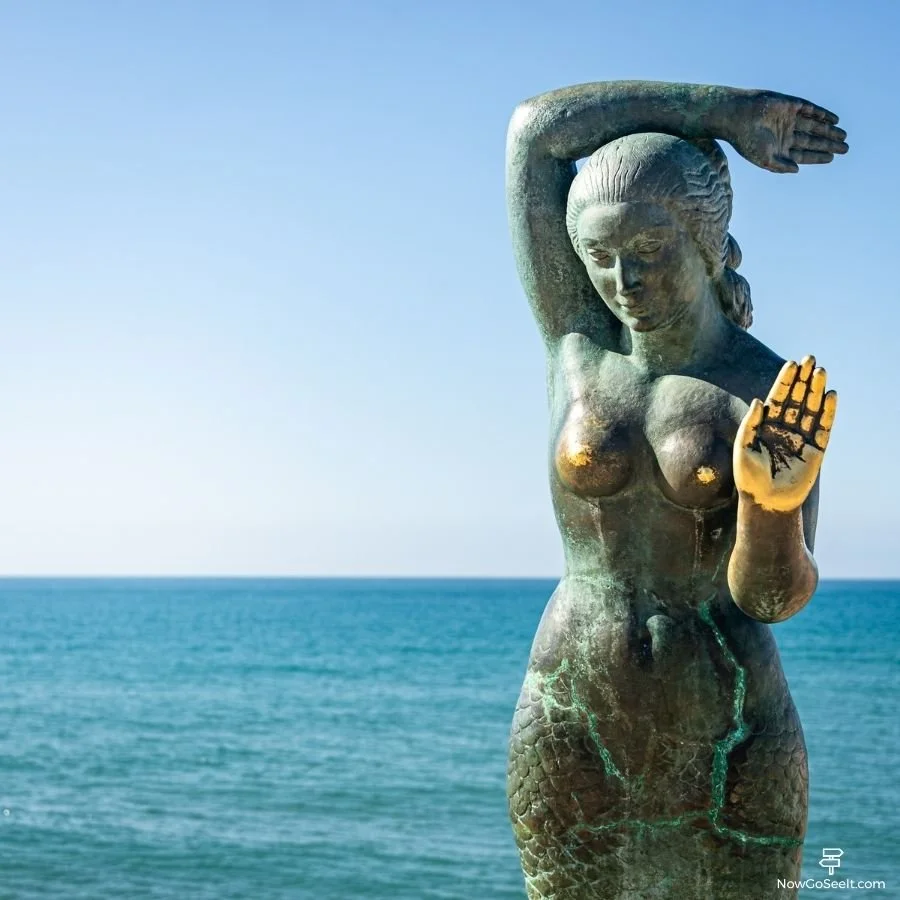
Cap de la Vila is the central meeting point of Sitges, and it is a good place to get your bearings before you head toward the water. The square is surrounded by narrow streets that branch into shopping lanes, cafes, and routes toward the old town. This is where Sitges starts to feel more like a compact Mediterranean town than a beach resort strip. You will see the Casa Bartomeu Carbonell, also known as the Clock House, with its distinctive corner tower and colorful details. It is one of those buildings that gives the center of town a bit of personality without needing a long museum-style explanation. Grab coffee or a quick pastry nearby if you have not eaten yet. Sitges does not require an early start, but summer beach chairs and better lunch tables do reward people who do not treat breakfast like an afternoon activity.
10:00 AM – Walk Through The Old Town Toward La Punta

Sant Bartomeu i Santa Tecla Church
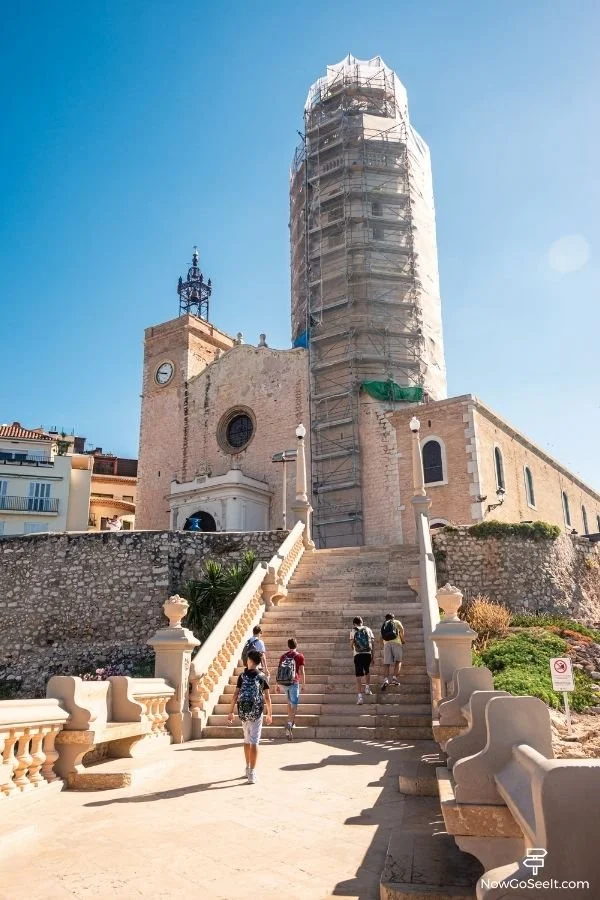
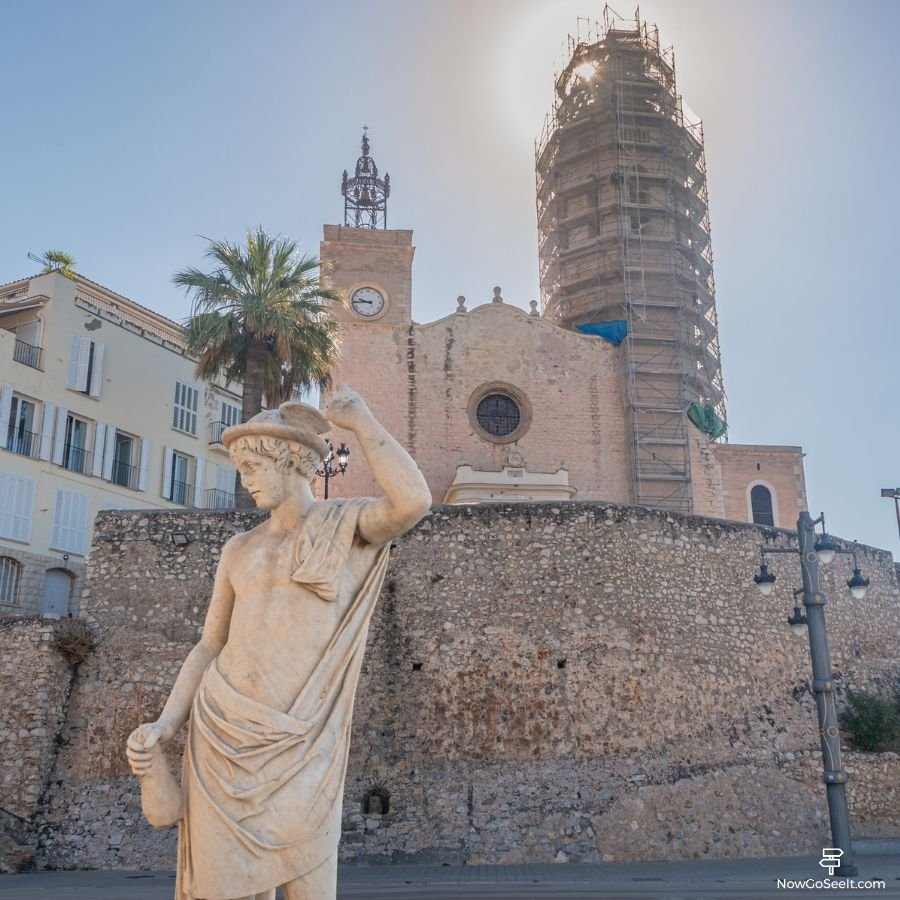
Sant Bartomeu i Santa Tecla Church is the building most people picture when they think of Sitges, even if they do not know its name. The church sits on a rocky point between the main beachfront and Sant Sebastià Beach, giving Sitges one of the most recognizable coastal views in Catalonia. The current church is from the 17th century and is commonly known as La Punta, which makes sense once you see how it anchors the waterfront. The area around the church is one of the best places to understand the layout of Sitges because you can look toward the main beach in one direction and Sant Sebastià in the other. It is worth seeing from below, from the plaza, and from the waterfront path because each angle changes the feeling of the building. Inside, the church has historic altarpieces and local religious art, but the exterior location is the main draw for many visitors. Even if you are not a church person, this is a must-see because it defines the town’s skyline.
Plaça del Baluard
Plaça del Baluard is the viewpoint area around Sant Bartomeu i Santa Tecla Church and one of the easiest stops to build into any Sitges itinerary. This is where you get those classic views over the beach, the waterfront, and the old town roofs without needing to climb a tower or buy a ticket. The square also acts as an entrance point into the old town, so it fits naturally before visiting the museums and the lanes around Racó de la Calma. It can get crowded, especially when day-trippers arrive from Barcelona, but people usually move through quickly. If you want photos, come early or accept that someone’s sunhat may become part of your composition. The spot is also useful later in the day because the light changes dramatically over the water and buildings. It is a small stop, but it helps explain why Sitges became such a visual magnet for artists and travelers.

Racó de la Calma
Racó de la Calma is one of the prettiest corners of the old town, but it does not feel staged in the way some tourist centers do. The name translates roughly to “corner of calm,” though in summer that calm depends heavily on how many tour groups have just turned the same corner. The area connects the church, the museums, and the Maricel complex, making it one of the best small pockets of architecture in town. You get whitewashed walls, stone details, blue accents, and just enough shade to make the walk feel civilized on a hot day. It is also a good reminder that Sitges is more than a beach town with bars attached. This area gives you the art and cultural side of Sitges without pulling you into a massive museum day. Do not rush through it on the way to the beach; this is one of the few places where slowing down for five minutes pays off.
11:00 AM – Visit One Museum Or Palace Before The Beach
Cau Ferrat Museum
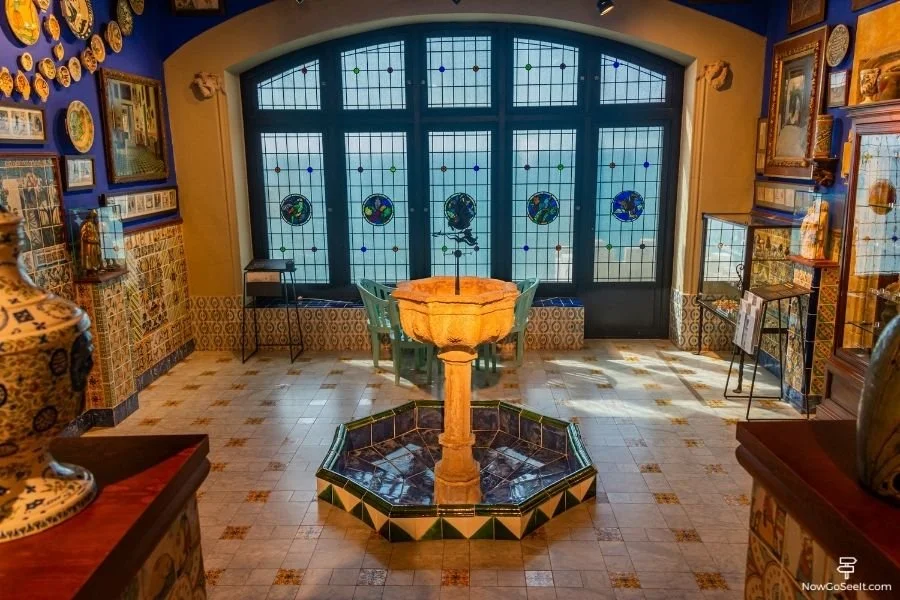
Cau Ferrat Museum is the former home and studio of artist Santiago Rusiñol, one of the major figures tied to Sitges’ Modernisme identity. Sitges Tourism notes that Cau Ferrat and the Maricel Museum are declared sites of national interest, with Modernisme and Noucentisme strongly represented in the town’s museum scene. This is not a giant museum where you lose half a day and emerge confused about whether you are still on vacation. It is a focused cultural stop that gives you a better sense of why artists were drawn to Sitges. The collection includes art, decorative objects, ironwork, ceramics, and the kind of interior details that make the building feel personal rather than institutional. If you only want one cultural stop before beach time, this is a good candidate. It adds context to the town without hijacking the day.

Maricel Museum
Maricel Museum is the best choice if you want a broader art collection in Sitges. The museum includes works from Romanesque and Gothic periods through Renaissance, Baroque, Romanticism, Realism, Modernisme, and Noucentisme, so it covers a lot of ground for a town this size. It also has one major advantage over plenty of art museums: parts of the building give you views over the sea. That helps if you are traveling with someone whose museum patience expires quickly. The collection includes major Catalan names tied to the region, and the building itself is part of the experience. It is a good rainy-day backup, but I would not save it only for bad weather. If you are trying to balance beach and culture in Sitges, this is one of the easiest ways to do both.
Palau de Maricel
Palau de Maricel is one of the most impressive buildings in Sitges, especially if you are into decorative rooms, terraces, tilework, and old-world collector drama. The palace forms part of the Maricel artistic ensemble, and its main spaces include the Gold Room, Blue Room, Chapel Room, Ship’s Room, terraces, and cloister. It was built with a strong Noucentista style, which gives the interiors a polished, highly designed feeling. This is usually visited by guided tour, so check times before you build your day around it. The terraces are a major reason to go, because they frame the coastline in a way that makes you understand why people keep recommending this town. If you like architecture more than traditional museum displays, Palau de Maricel may be your best cultural stop. It also feels very Sitges: pretty, a little theatrical, and not shy about making an entrance.
12:15 PM – Head To Sant Sebastià Beach

Platja de Sant Sebastià
Platja de Sant Sebastià is one of the most popular Sitges beaches Spain visitors usually hear about first. It sits on the east side of the church and has a slightly more local, neighborhood feel compared with the main beach strip. The beach is not huge, which means it can fill quickly, but the location is excellent for combining beach time with old town sightseeing. You have restaurants behind you, the church nearby, and enough services to make it easy for a first beach stop. The municipality lists Sant Sebastià among the beaches with lifeguard and rescue service during the main season, and it is also one of Sitges’ Blue Flag beaches. This is a good place to start because it gives you the classic Sitges beach Spain experience without immediately throwing you into the busiest gay beach scene. It is also one of the beaches where smoking is restricted, which is useful if you do not want your beach towel smelling like someone else’s bad choices.
1:30 PM – Walk The Waterfront Toward La Ribera And Bassa Rodona
Passeig Marítim
Passeig Marítim is the main waterfront promenade in Sitges, and it is one of the easiest ways to connect the town’s central beaches. This is where Sitges feels most like a classic European beach escape: hotels and restaurants on one side, sand and sea on the other, and a steady stream of people heading somewhere without looking terribly rushed. It is practical as much as it is scenic because it connects Sant Sebastià, La Fragata, La Ribera, Bassa Rodona, and the beaches farther west. In summer, it is busy from morning until late, and that is part of the fun. You can use it to beach-hop, scout lunch spots, or decide where you want to come back later for sunset. It is also the easiest route for travelers who do not want to get lost in the old town streets. If you only have one day in Sitges, make sure part of it includes this waterfront walk.
Platja de la Ribera
Platja de la Ribera is one of the main central beaches in Sitges and a solid pick if you want convenience above all else. It sits right along the main promenade and gives you quick access to restaurants, bars, shops, and hotels. This is not the beach to choose if you want isolation, because isolation is not what central Sitges is selling. It is the beach to choose when you want to swim, eat, rent a lounger, grab a drink, and be back in the center of town in minutes. The beach is large enough to handle a decent crowd, though peak summer still gets packed. La Ribera is also listed as one of Sitges’ Blue Flag beaches, which adds some reassurance on services and beach management. For a first visit, it is an easy beach to understand and an even easier beach to use.

Platja de la Bassa Rodona
Platja de la Bassa Rodona is the main gay beach in Sitges and one of the reasons the town has such a strong LGBTQ+ travel reputation. It is central, social, and very easy to reach from the old town, hotels, and nightlife streets. If you are visiting Sitges, Spain gay travel guides will almost always point you here, and for good reason. This is where beach time can feel like the daytime version of the bar scene, especially in peak summer. Expect rows of loungers, plenty of people-watching, and a crowd that knows exactly why it came to Sitges. It is also listed among the municipality’s serviced beaches during the main season. If you want quiet beach reading, this may not be your place; if you want the classic Sitges gay beach scene, this is the one.
2:30 PM – Lunch Near The Beach
La Zorra
La Zorra is a beachfront rice and paella restaurant right on Passeig Marítim, which makes it convenient after time on La Ribera or Bassa Rodona. The restaurant lists its address at Passeig Marítim 1–3 and serves lunch and dinner daily, with posted hours from 13:00 to 16:30 and 20:30 to 23:00. This is the kind of place where you go because you want lunch to feel like part of the Sitges vacation, not just a refueling stop. The menu centers on rice dishes, seafood, and the sort of coastal Spanish food people hope they will find when they book a beach trip. I would reserve ahead in summer, especially if you want a better table time and do not want to gamble on wandering around hungry. Paella and rice dishes take time, so this is not a fast lunch. That is fine; Sitges is not a place where every meal needs to be eaten like you are late for a connecting flight.
4:00 PM – Pick A Second Beach Or A Beach Bar

Platja de Balmins
Platja de Balmins is one of the best-known alternative beaches in Sitges and another major stop for LGBTQ+ travelers. It sits east of the center, past Sant Sebastià, so it feels a little separated from the main beach strip without being difficult to reach. Balmins is known for being clothing-optional in parts, so do not arrive and act shocked by human bodies doing beach things. The beach is smaller and more cove-like than La Ribera or Bassa Rodona, and that gives it a different feel. It is also one of the Blue Flag beaches listed by the municipality. The setting is attractive, but the beach can get crowded, and the rocks mean water shoes are not the worst idea. If you want the beach Sitges regulars talk about beyond the main promenade, Balmins is the one to add.
Platja d’Aiguadolç
Platja d’Aiguadolç sits near the marina and is a good option if you want a beach that feels a little removed from the center. It is east of Balmins, so reaching it takes more effort than dropping onto La Ribera, but it is still manageable if you like longer waterfront walks. The beach is listed among Sitges’ Blue Flag beaches, and the marina nearby gives the area a different look from the old town beaches. This can be a useful choice if the central beaches are packed or you are staying near the Meliá or Aiguadolç area. It also pairs well with a visit to Port d’Aiguadolç for drinks or dinner. The tradeoff is simple: less central energy, more breathing room. If you are trying to see every beach in one day, you will exhaust yourself, but if you have two or three days, Aiguadolç earns a spot.

Port d’Aiguadolç
Port d’Aiguadolç is the marina area east of central Sitges, and it gives you a break from the main old town and beach strip. This is where you go for boats, waterfront restaurants, and a different version of Sitges that feels a little more resort-like. It is not the most essential stop if you only have one day, but it works well if you are staying nearby or want dinner away from the loudest part of town. The marina area is also practical if you are looking at boat trips, water activities, or a less chaotic evening meal. It does not have the same character as the old town, and I would not pretend otherwise. Still, not every meal needs to happen in the same four blocks. If you have time, Port d’Aiguadolç gives the trip a wider view of the town.
6:30 PM – Return To The Center For Tapas

Eguzki Lizarran
After a few hours at Sant Sebastià Beach, return to your hotel, clean up, and head to Eguzki Lizarran for dinner. The restaurant is a good fit for this itinerary because you can order pintxos and small plates and build the meal around whatever looks best rather than committing to one large entrée. It also keeps you in central Sitges, close to Plaça de la Indústria and Carrer Joan Tarrida for the nightlife portion of the evening. Give yourself enough time to eat without rushing because the bars do not really get going until later anyway. After dinner, continue directly into the LGBTQ nightlife district for drinks and whatever questionable decisions the rest of the night has planned.
9:00 PM – Start The Night Around Plaça Indústria And Carrer De Joan Tarrida
Plaça Indústria
Plaça Indústria is one of the key nightlife anchors in Sitges, especially for LGBTQ+ travelers. This is where the evening starts to shift from dinner to drinks, and it is a natural meeting point before bar-hopping. The square and surrounding streets are close to the beach, close to the center, and close to several of the best-known gay bars in town. Sitges nightlife is seasonal, so a random Tuesday in winter will not feel like Pride week, and that should not surprise anyone. In summer, this area can be packed, especially later in the evening. It is a good place to start because you can see what is busy before committing to one venue. The best nightlife plan in Sitges is usually to stay flexible and follow the crowd, unless the crowd is clearly making questionable decisions.
Carrer de Joan Tarrida
Carrer de Joan Tarrida is one of the core streets for the bar Sitges scene, especially if you are looking for gay bars and social outdoor drinking. Condé Nast Traveler describes the LGBTQ+ scene as radiating from Plaça Indústria, with Joan Tarrida Street lined with several bars. This is not a giant nightclub boulevard; it is a compact street where people spill between terraces, bars, and the next round. That compactness is part of the appeal because you can sample a few places without turning the night into a transportation project. It also makes Sitges a good solo traveler destination because you are not stuck in one massive club hoping the night improves. The street gets crowded in peak season, and service can move at the speed of “you’ll get it when you get it.” Take that as part of the deal and do not plan your night around being efficient.
Parrots Pub
Parrots Pub is one of the most visible and well-known gay bars in Sitges. It sits right in the heart of the action near Plaça Indústria, making it an easy first stop if you want to get oriented before the night gets messier. The terrace is the main attraction because Sitges nightlife often starts with watching the passing crowd as much as drinking. This is not the place to hide in a corner and have a deeply private conversation. It is social, central, and built for people-watching. Condé Nast Traveler describes Parrots Pub & Terrace as one of the larger venues in the local queer scene. If you are new to Sitges, start here, get a drink, and decide where the night should go next.
Queenz
Queenz is a music bar and show venue that gives Sitges nightlife a more performance-driven option. VisitSitges describes Queenz as a modern, busy music bar with a mixed clientele, regular theme nights, and a restaurant with dinner and shows nearby. This is a good choice if you want something more structured than standing outside with a drink. It is located on Carrer Bonaire, close enough to the main nightlife area that you can work it into a bar-hopping night without much effort. Check the current schedule before going because shows, dinner formats, and theme nights can change. The venue works well for groups, couples, and solo travelers who want a night with a little more to watch than the human traffic outside. Sitges has plenty of casual bars, but Queenz gives the night more of a plan.
Organic Dance Club
Organic Dance Club is one of the better-known clubs Sitges visitors mention when they want a late night instead of just terrace drinks. This is the kind of place to consider after you have started around Plaça Indústria and Carrer de Joan Tarrida and still have energy left. Sitges nightlife often starts later than Americans expect, so do not panic if a club feels quiet at the hour when you would already be thinking about last call back home. Summer, Pride, Bear Week, and weekends make a huge difference. During peak times, clubs Sitges visitors want can get crowded quickly. If you are only in town one night, ask around earlier in the evening to see where people are heading. The best Sitges club night usually comes from following the local flow, not pretending a spreadsheet can predict the party.

We’re on YouTube!
The same great content without all the pesky reading!

Best Sitges Beaches Spain
Sitges beaches Spain travelers usually want are easy to compare because the main options line up along the waterfront. Beach Sitges planning is mostly about choosing the right scene: central and convenient, LGBTQ+ social, clothing-optional, quieter, or closer to the marina.
For a first visit, I would start with Sant Sebastià, La Ribera, Bassa Rodona, and Balmins. Those four give you a good overview without making the day feel like beach homework. Sant Sebastià is best for old town views, La Ribera is best for convenience, Bassa Rodona is best for the main gay beach scene, and Balmins is best for a more alternative beach day. If you have extra time, add Aiguadolç or Terramar. If you want the more historic LGBTQ+ beach experience, research Playa del Muerto before going because it is outside the easy central beach zone and takes more effort to reach. Most visitors do not need to see every beach in Sitges, Spain. Pick two or three, leave room for lunch, and save the full beach ranking project for someone with a clipboard and too much sunscreen.
Platja de Sant Sebastià
Platja de Sant Sebastià is one of the most popular Sitges beaches Spain visitors usually hear about first. It sits on the east side of the church and has a slightly more local, neighborhood feel compared with the main beach strip. The beach is not huge, which means it can fill quickly, but the location is excellent for combining beach time with old town sightseeing. You have restaurants behind you, the church nearby, and enough services to make it easy for a first beach stop. This is a good place to start because it gives you the classic Sitges beach Spain experience without immediately throwing you into the busiest gay beach scene. It is also a strong choice if you want to swim for a bit, grab lunch, and stay close to the old town. The view back toward Sant Bartomeu i Santa Tecla Church is the kind of Sitges view that ends up on every travel search result for a reason. If you only have one day in town, Sant Sebastià is one of the easiest beaches to justify.

Platja de la Ribera
Platja de la Ribera is one of the main central beaches in Sitges and a solid pick if you want convenience above all else. It sits right along the main promenade and gives you quick access to restaurants, bars, shops, and hotels. This is not the beach to choose if you want isolation, because isolation is not what central Sitges is selling. It is the beach to choose when you want to swim, eat, rent a lounger, grab a drink, and be back in the center of town in minutes. The beach is large enough to handle a decent crowd, though peak summer still gets packed. For first-time visitors sorting through what to do in Sitges, Spain, La Ribera is the easiest beach to understand. It is central, practical, and hard to mess up. That counts for a lot when your vacation plan is mostly sun, food, and deciding where the night should start.
Platja de la Bassa Rodona
Platja de la Bassa Rodona is the main gay beach in Sitges and one of the reasons the town has such a strong LGBTQ+ travel reputation. It is central, social, and very easy to reach from the old town, hotels, and nightlife streets. If you are visiting Sitges, Spain gay travel guides will almost always point you here, and for good reason. This is where beach time can feel like the daytime version of the bar scene, especially in peak summer. Expect rows of loungers, plenty of people-watching, and a crowd that knows exactly why it came to Sitges. It is not the quietest beach in town, and that is not really the point. If you want the classic gay beach Sitges experience without hiking or complicated directions, this is the one. Come earlier in the day if you want a better spot, because the obvious beach is obvious to everyone else too.
Platja de Balmins
Platja de Balmins is one of the best-known alternative beaches in Sitges and another major stop for LGBTQ+ travelers. It sits east of the center, past Sant Sebastià, so it feels a little separated from the main beach strip without being difficult to reach. Balmins is known for being clothing-optional in parts, so do not arrive and act shocked by human bodies doing beach things. The beach is smaller and more cove-like than La Ribera or Bassa Rodona, and that gives it a different feel. The setting is one of the better beach backdrops in town, with rocky edges and a more tucked-away layout. It can still get crowded, especially in summer, because everyone else has also figured out that it is good. The rocks mean water shoes are not the worst idea if your feet are dramatic. If you want something beyond the main promenade but still easy enough to reach on foot, Balmins is the beach to add.
Playa del Muerto
Playa del Muerto is the beach to know about if you are digging into the deeper LGBTQ+ beach history of Sitges. The sign at the beach identifies it as Cala dels Gegants and says it is commonly known as Playa del Muerto, with a reputation as one of the first gay beaches in the world dating back to 1930. It is not a central beach, and that matters. This is not Bassa Rodona, where you roll out of the old town and land on a lounger with a drink nearby. Playa del Muerto sits farther southwest of Sitges and requires a more deliberate trip, usually involving a walk that is rougher than the easy promenade beaches. The beach has historically been tied to the LGBT community, and the sign also notes that Chiringay del Muerto has been part of the beach scene since 1970. If you go, bring water, wear decent shoes, and understand that the difficult access is part of why the place has kept its more separate identity. For many visitors, Bassa Rodona or Balmins will be the easier gay beach Sitges choice, but Playa del Muerto is the one with the most interesting backstory.
Platja d’Aiguadolç
Platja d’Aiguadolç sits near the marina and is a good option if you want a beach that feels a little removed from the center. It is east of Balmins, so reaching it takes more effort than dropping onto La Ribera, but it is still manageable if you like longer waterfront walks. The marina nearby gives the area a different look from the old town beaches. This can be a useful choice if the central beaches are packed or you are staying near the Meliá or Aiguadolç area. It also pairs well with a visit to Port d’Aiguadolç for drinks or dinner. The tradeoff is simple: less central energy, more breathing room. It is not the first beach I would send someone to on a one-day Sitges trip, but it makes more sense if you are staying for several days. At some point, even the best beach strip benefits from a change of scenery.

Sitges, Spain Gay Nightlife And Clubs
Sitges, Spain gay travel is a major reason the town stays on Europe’s LGBTQ+ beach map, with bars, terraces, drag shows, clubs, and busy streets packed into a small area. Clubs Sitges visitors usually want are close to the bar Sitges scene, so the night can start with terrace drinks and turn into dancing without a long ride across town.
Sitges, Spain gay nightlife is one of the biggest reasons people come here instead of treating it as just another Barcelona beach day. Clubs Sitges visitors usually care about are close to the central bars, so the night can start with terrace drinks and turn into dancing without a long cab ride.
The gay nightlife scene in Sitges is compact, social, and very seasonal. That means summer weekends can feel huge, while an off-season weekday may be much more subdued. The main nightlife area clusters around Plaça Indústria, Carrer de Joan Tarrida, Carrer Bonaire, and nearby streets. Start with Parrots if you want the obvious first stop, move through Joan Tarrida if the street is busy, check Queenz for shows, and ask around if you want to know where the club crowd is heading later. This is one of those towns where the best plan is to start central and let the night reveal itself.
Sitges Pride is one of the major annual LGBTQ+ events, and the official 2026 dates are Wednesday, June 10 through Sunday, June 14. The local tourism site also lists Sitges Pride 2026 from June 10 to June 14 and notes an estimated attendance of more than 45,000 people across the five days. If you are visiting during Pride, book early and expect higher prices. If you are not a crowd person, check the event calendar before you accidentally book the busiest week of the year and then act surprised when the whole town is wearing glitter.


Sitges Food And Drinks
Food is one of the better reasons to stay longer in Sitges, Spain instead of treating it as a quick beach stop from Barcelona. Between tapas bars, beachfront rice restaurants, Malvasia wine, seafood, and late-night snacks, Sitges gives you enough local flavor to balance out the beach and club schedule.
What to do in Sitges, Spain should include more than beaches and clubs because the food scene can carry a good part of the trip. Sitges has beach restaurants, tapas bars, local wine, seafood, xató, and enough late-night options to keep you from making dinner out of vending machine snacks.
Start with tapas because it fits the way Sitges works. El Cable is a strong pick for a classic local tapas stop, especially if you want something with more character than a waterfront tourist menu. For rice dishes or paella, La Zorra puts you directly on the beach and makes lunch feel like part of the itinerary. If you want something specific to the town, try Malvasia de Sitges through the interpretation center or look for it on restaurant menus. Sitges’ local gastronomy also includes xató, a Catalan salad tied to the region, usually made with escarole, cod, tuna, anchovies, olives, and a nut-based sauce. This is not the kind of dish that screams beach vacation from the name alone, but it is worth trying because it belongs to the region. For a natural affiliate fit, this section can support food tours, wine tours, or a Barcelona-to-Sitges day trip through Viator or GetYourGuide.
If You Have More Time In Sitges
If you still need more things to do in Sitges, Spain, add a harder-to-reach beach, Garraf Natural Park, Vilanova i la Geltrú, the Penedès wine region, or a return day in Barcelona. The bus Sitges Vilanova route and nearby train connections make short side trips possible, though wine tours and nature trips are often easier with a guide.
What to do in Sitges, Spain after the beaches depends on whether you want nature, wine, another coastal town, or more nightlife. These add-ons work best if you have more than one day, because the main town is easy but the surrounding region takes more planning.

Platja de l’Home Mort
Platja de l’Home Mort is a more remote clothing-optional beach southwest of central Sitges, and it has long been associated with gay beach culture. It is not as easy as dropping onto Bassa Rodona, so do not treat it like a casual five-minute detour. You need to research the walking route, wear decent footwear, bring water, and avoid doing the whole thing in the strongest heat of the day. The beach is smaller and less serviced than the central beaches, which is exactly why some people like it. It can also feel inconvenient if you arrive expecting beach bars, lounger service, and easy bathrooms. This is a better choice for experienced beachgoers who want something beyond the main promenade. If your Sitges trip is short, Balmins may be the more practical alternative.
Garraf Natural Park
Garraf Natural Park is the rugged inland area behind Sitges, and it is a good add-on if you want a break from the beach scene. The park has limestone hills, dry Mediterranean landscapes, and hiking routes that feel very different from the polished waterfront. This is not where you go for shade-covered easy paths, so bring water, sun protection, and a realistic sense of your own heat tolerance. The park works best in cooler months or early in the day during warm weather. If you are visiting in peak summer, this may be more of a sunrise activity than a midday plan. Guided hikes or e-bike tours can make sense if you do not want to figure out trail logistics on your own. It is a good contrast to Sitges because it reminds you that the town is not just beaches and bars.
Vilanova i la Geltrú
Vilanova i la Geltrú is the neighboring coastal town and a useful day trip if you want to see somewhere less internationally famous than Sitges. You can reach it by train or bus, including the bus Sitges Vilanova route depending on your starting point and schedule. Vilanova has beaches, a working-town feel, a rail museum, markets, and restaurants that are less tied to the Sitges party ecosystem. It will not give you the same gay nightlife scene, and that is the point. This is a good add-on for travelers staying a full week who want a change without making a full Barcelona day out of it. Go for lunch, explore the center, and decide whether you like the lower-key version of the coast. It is not a replacement for Sitges, but it is a useful contrast.
Penedès Wine Region
The Penedès wine region is one of the best day trips from Sitges if you like wine, cava, or vineyard landscapes. Sitges Tourism notes that a Malvasia-related wine route begins at the Hospital de Sitges and features wineries where visitors can taste wines from the Penedès area. This is a good place to use an organized tour because wineries are not always easy to link together by public transportation. Look for tours that include cava tastings, small producers, or a combination of wine and village stops. If you are staying in Sitges for more than a beach weekend, this is one of the strongest add-ons. It also gives the trip a food-and-wine angle that can balance the nightlife. For affiliate links, this is a natural spot for Viator or GetYourGuide wine tours.
Barcelona
Barcelona is the obvious add-on before or after Sitges, but I would not treat Sitges as only a side note to Barcelona. The two places work well together because they do different things. Barcelona gives you Gaudí, big museums, major food neighborhoods, shopping, architecture, and the kind of itinerary that can fill a week without trying. Sitges gives you the beach, the gay nightlife, and a smaller-town rhythm that feels easier after several days of Barcelona sightseeing. The train connection makes it simple to split a trip between both. If you only have one free day from Barcelona, Sitges is an easy day trip. If you have more time, I would spend at least one or two nights in Sitges so you can experience the nightlife without watching the clock for the last train.
Sitges Pride
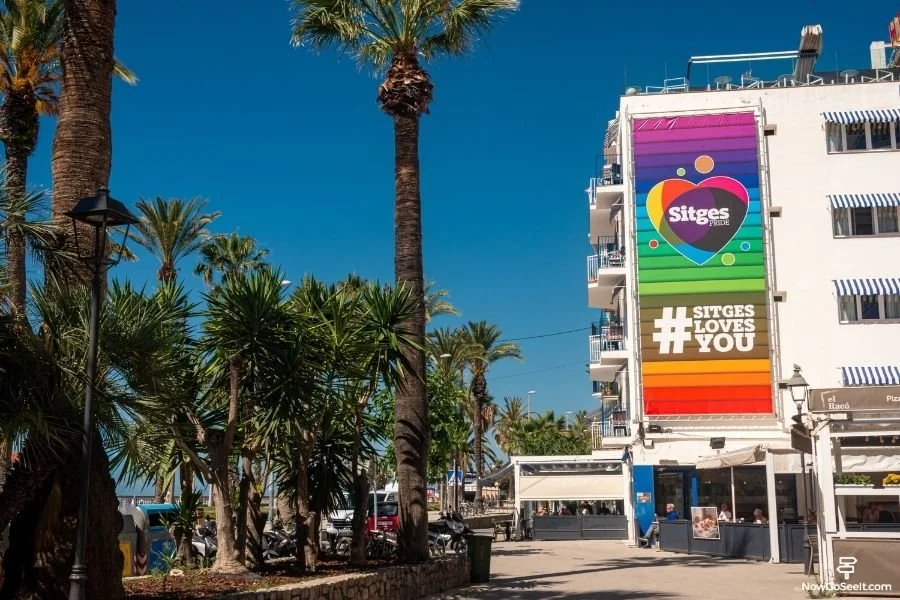
Sitges Pride is one of the biggest reasons to plan a trip around specific dates. The 2026 event ran June 10 to June 14, with the parade scheduled during the festival period. This is when Sitges becomes much more than a beach town with bars. Expect outdoor events, drag, parties, terraces packed with people, and hotel rates that know exactly what week it is. Book early, especially if you want to stay central. If you want the full Sitges, Spain gay travel experience at maximum volume, Pride is the obvious time to go. If you want calmer beach days and easier dinner reservations, pick another week.
Sitges Carnival
Sitges Carnival is another major annual event and one of the town’s biggest party periods. This is not a subtle local festival where everyone politely looks at a float and goes home at 9:00 PM. It is loud, crowded, costume-heavy, and very Sitges. If you enjoy big public parties, this can be an excellent time to visit. If crowds make you miserable, check the dates before booking. Carnival also changes the hotel and restaurant situation, so plan the trip like an event weekend rather than a random beach escape. It is one of the best examples of how Sitges can feel much larger than its size when the calendar is working hard.
Sitges International Fantastic Film Festival
Sitges International Fantastic Film Festival is a major event for fantasy and horror film fans. It gives the town a totally different identity from the summer beach and Pride season. If you like genre films, movie culture, and the idea of combining screenings with coastal Spain, this is a strong reason to visit in the fall. The atmosphere is very different from a normal beach trip, which can be a good thing if you already know the town. Hotels can still fill, so do not assume fall means easy last-minute planning. This is also a good reminder that Sitges is not only a summer destination. The town knows how to keep itself busy.
Best Things To Do In Sitges, Spain:
The best things to do in Sitges, Spain include old town viewpoints, museums, beaches, gay nightlife, tapas bars, wine tasting, and easy day trips along the coast. Sitges, Spain beaches and clubs may get most of the attention, but the town works best when you mix beach time with food, architecture, and a late night that starts casually and escalates quickly.
Sitges Train Station
Cap de la Vila
Casa Bartomeu Carbonell
Sant Bartomeu i Santa Tecla Church
Plaça del Baluard
Racó de la Calma
Cau Ferrat Museum
Maricel Museum
Palau de Maricel
Platja de Sant Sebastià
Passeig Marítim
Platja de la Ribera
Platja de la Bassa Rodona
La Zorra
Platja de Balmins
Platja d’Aiguadolç
Port d’Aiguadolç
El Cable
Celler de l’Hospital de Sitges
Centre d’Interpretació de la Malvasia
La Malvaseria
Plaça Indústria
Carrer de Joan Tarrida
Carrer Primer de Maig
Carrer Bonaire
Parrots Pub
Queenz
Organic Dance Club
Platja de l’Home Mort
Garraf Natural Park
Vilanova i la Geltrú
Penedès Wine Region
Barcelona
Sitges Pride
Sitges Carnival
Sitges International Fantastic Film Festival