Cruise Port Reykjavik, Iceland: 48 Hours in Reykjavik
Now Go See It is reader-supported. When you buy through links on our site, we may earn an affiliate commission.
How to visit Reykjavik, Iceland from a cruise ship, including transport tips, food, excursions, and things to do near the Reykjavik cruise port in one day.
Reykjavik Cruise Port Guide: (Jump To)
View Our YouTube Vlog from Reykjavik
How To Get To The City Center From The Reykjavik, Iceland Port
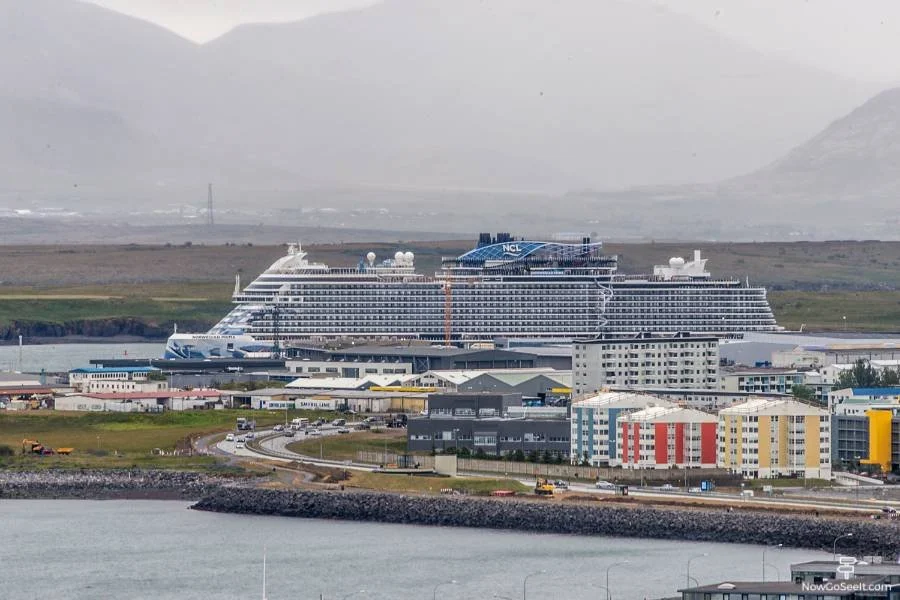
Most ships dock at the Skarfabakki terminal, and from there, it’s about 3 miles to downtown by shuttle, taxi, or a long walk. If you're arriving at the cruise terminal Reykjavik, plan ahead for transport—public buses run but aren’t timed for cruise schedules.
Most cruise ships dock at Skarfabakki, Reykjavik’s main cruise terminal, which is about 2.5 miles from the city center. The walk is possible in decent weather and takes around 45 minutes, but a shuttle is the more practical choice. A free shuttle bus called the Harpa City Shuttle goes directly to Harpa Concert Hall downtown with a free return from the same location. Shuttles stop at 6 pm so plan accordingly if you have a late departure or an overnight.
You’ll see local taxis waiting at the port as well, but prices are steep even for short distances. Reykjavik’s public bus system (Strætó) serves the area too. The bus stop is a short walk from the cruise terminal. Payment by card (tap to pay) is accepted on board. Tap in as you enter the bus.
The port area itself has minimal amenities, so it’s best to head downtown as soon as possible.

Iceland Airport To Cruise Port Transfers
From Reykjavik International Airport to the Reykjavík Cruise Ship Port will take some planning for your Iceland embarkation or disembarkation. Don’t make the mistake of hoping a taxi will be available.
If you’re flying into Iceland to start or end your cruise in Reykjavík, your international flight will land at Keflavík International Airport (KEF), located about 50 kilometers (30 miles) from Reykjavík. This is the main airport for international arrivals, and there are several reliable ways to transfer into the city. The most common option is to pre-book a shared or private shuttle transfer with your cruise line or with a vendor like Viator or Get Your Guide. These transfers depart regularly after every arriving flight and will take you to Reykjavík’s main bus terminal, the port directly, or to your hotel if you’re coming in early. Taxis are also available but cost significantly more, averaging $150 USD one way.
Rental cars are a popular option for those extending their trip, though be aware that most cruise terminals do not have on-site rental drop-offs. Be sure your cruise line provides the exact pier address, as Reykjavík has multiple docking spots. Some cruises dock right in the city center near Harpa Concert Hall, while others use the Skarfabakki Terminal, about 3 miles away.
There’s a second airport, Reykjavík Domestic Airport (RKV), located much closer to the cruise port. This is only used for short regional flights within Iceland and Greenland. Unless you’re connecting from another Icelandic city, this probably isn’t the airport you’ll be flying into or out of. Make sure your airport plans line up with your cruise schedule—especially on disembarkation day when time can be tight.
Is Reykjavik, Iceland Safe?
Yes, Reykjavik is one of the safest capitals in Europe, with low crime and a strong police presence. If you’re walking from the cruise ship terminal Reykjavik into town, it’s safe day or night with minimal hassle.
Reykjavik is one of the safest cities you can visit, with extremely low crime rates and no areas to avoid during the day or night. Theft is rare, and solo travelers—including women—report feeling secure walking alone even after dark (not that it ever really gets dark during cruise season). That said, don’t get too comfortable leaving valuables unattended in cafes or open spaces. Local police are visible and helpful, and English is widely spoken.
Weather is a bigger concern than crime. Strong winds, sudden rain, and cold even in summer can make exploring uncomfortable if you're not dressed for it. Check the forecast and bring waterproof layers no matter the season.

Airline Miles and Hotel Points 101
We share tips and tricks for credit card points and miles. These tools help us save money on our trips around the world by allowing us to accumulate airline and hotel points.
How to Get Around Reykjavik
The city is walkable, and the bus system covers most major sites, but if you're short on time, taxis are faster. For cruisers docking at the port of Reykjavik Iceland, hop-on-hop-off buses stop directly at the Reykjavik cruise terminal.
Reykjavik’s city center is compact and walkable, with most major sites clustered within a 15–20 minute radius. The streets are well marked and safe, and the city is generally easy to navigate on foot. Walking is your best bet unless weather or mobility is an issue.
There’s no metro or tram system. The city runs on a basic public bus network called Strætó. Buses are clean and reliable but not ideal for short-term visitors unless you’re going beyond the central area. Day passes are available through the Klappið app, or you can tap to pay—cash isn’t accepted on board.
If you’re doing a shore excursion outside Reykjavik, all transportation will be arranged for you. For self-guided local travel, a combination of walking and the occasional taxi is more than enough.
Many cruisers enjoy the ease and convenience of the local Hop-On Hop-Off tours. This is a great option if you plan to tour some of the areas outside of the city. It typically has the cruise port as a hop-on hop-off point.
What to See in Reykjavik, Iceland
Top stops include Hallgrímskirkja, Harpa Concert Hall, Sun Voyager, and the Icelandic Phallological Museum. If you're planning 48 hours in Reykjavik, build your schedule around these and skip anything that requires a long detour.

Hallgrímskirkja
Map: Google Maps
Website: Link
Easily the most photographed building in Iceland, this Lutheran church dominates the skyline with its concrete tower and basalt-inspired curves. The design is meant to echo lava flows, which sounds ridiculous until you see it in person—then it makes total sense. Inside, it’s relatively simple, with clean white walls and a huge pipe organ. The real reason you go is the elevator to the top. It’s one of the best views in Reykjavik and gives you a great look at the colorful rooftops below. The line for the elevator can be long in the summer, but it moves. Just note: the top is enclosed with narrow windows, so getting good photos can be hit or miss depending on the light.

Harpa Concert Hall
Map: Google Maps
Website: Link
Located right on the harbor, Harpa looks like someone stacked hundreds of glass boxes on top of each other and then tilted them toward the ocean. It was built as a concert hall but functions more like a catch-all public space. There’s a gift shop, a couple of cafes, and if you're lucky, you might catch an art exhibit or rehearsal in progress. Most people come to take photos of the building reflecting the sky, but it’s also a key meeting point for tours and airport transfers. You don’t need tickets to go inside—just walk in and explore.

Sun Voyager
Map: Google Maps
There’s not much to “do” here besides look at it and take a picture—but that’s the point. The steel sculpture is a stylized Viking ship facing the water, designed to represent dreams of discovery. There’s a small plaque nearby explaining its symbolism. Most people stop for five minutes, grab a photo, and keep walking along the harbor path. It’s especially popular around sunset, but prepare to share the frame with a bunch of other people doing the exact same thing. Its location, near the Harpa Shuttle Stop, makes it worth walking over to see.
Perlan
Map: Google Maps
Website: Link
Tickets: GetYourGuide
Sitting up on Öskjuhlíð Hill, Perlan looks like a spaceship from a 1980s movie. The building was once a water storage facility but now houses exhibitions on Icelandic nature. Inside there’s a manmade ice cave (jacket included), a planetarium show about the Northern Lights, and a glacier exhibit. At the top is a rotating observation deck and restaurant with views across the city. You can walk to it from downtown in about 30 minutes, but it’s all uphill. If that’s not your thing, grab a cab or book a tour that includes it as a stop.

Laugavegur Shopping Street
Map: Google Maps
This is Reykjavik’s main shopping and dining drag. You’ll find Icelandic wool shops, bookstores, local fashion designers, bakeries, and more puffin souvenirs than you thought could exist. The stores mix with restaurants, snack spots, and cafes. It's a great place to pick up lopapeysa sweaters or to check out local design labels. It’s also a good area to grab lunch or kill time between museum visits. Expect prices to be high—this is Iceland—but the window shopping alone is worth the visit.
National Museum of Iceland
Map: Google Maps
Website: Link
Tickets: GetYourGuide
This museum covers the history of Iceland from early settlement through the 20th century. It’s well-organized and smaller than it looks, so you can see everything in under two hours without burning out. Exhibits include Viking tools, religious artifacts, and even more modern history about the independence movement. There’s an English audio guide you can use, or just follow the signage—it’s very accessible. If you’re only going to do one museum in town, make it this one.

Reykjavik City Hall
Map: Google Maps
Website: Link
Most people come here for one thing—the giant topographical map of Iceland that fills a whole room. It’s free to enter, and the map is weirdly fascinating if you’re planning a road trip around the country. The building itself sits beside a lake, and there are often free art exhibits or events inside. It’s not flashy, but if you’re nearby, it’s a quick and worthwhile stop.
Árbær Open Air Museum
Map: Google Maps
Website: Link
This museum feels like stepping into a preserved village, with relocated houses and costumed staff showing off traditional Icelandic life. It’s a bit out of the city center, so you’ll need a bus, cab, or tour to get there. During summer months, staff demonstrate crafts and daily life as it was a hundred years ago. In winter, it’s quieter but still open. It’s a great spot for history buffs or anyone curious about what Iceland looked like before fiber internet and fleece jackets.

Icelandic Phallological Museum
Map: Google Maps
Website: Link
Tickets: GetYourGuide
There’s no way to say this delicately—it’s a museum full of penises. From whales to hamsters, they’ve collected hundreds of specimens in jars. Some are huge. Some are tiny. Some are from mythical creatures. The museum is small, and most people are in and out in under 30 minutes. It’s strange and a little awkward, but undeniably memorable. It’s located right downtown, so if you’re walking by and feel curious, just go for it.
Kolaportið Flea Market
Map: Google Maps
Website: Link
Open on weekends, this indoor market by the harbor is a mix of vintage clothes, records, old books, local food, and odds-and-ends antiques. One stall sells fermented shark, if you’re looking to make a bad decision. Prices vary wildly from table to table, but if you dig, there are bargains to be found. It’s also a good place to grab a snack or warm up on a cold day. It’s a unique way to experience Iceland shopping if your trip aligns with the limited weekend hours.
Saga Museum
Map: Google Maps
Website: Link
Tickets: GetYourGuide
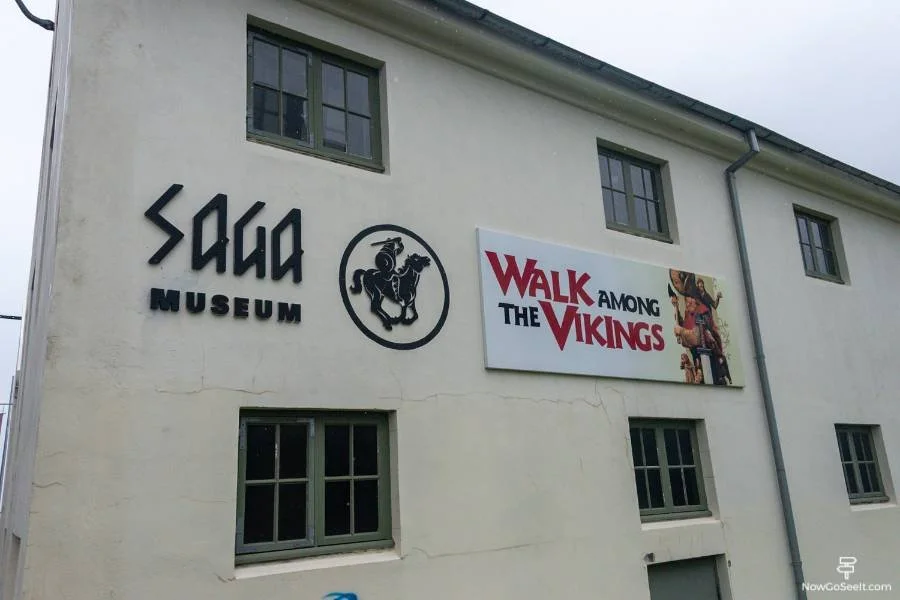
This museum tells the story of Iceland through life-sized dioramas filled with waxy Viking figures. It’s like a combination of Madame Tussauds and a history textbook. Each scene comes with an audio description, and while some of the mannequins look dated, the storytelling works. It’s short and doesn’t require much energy to get through, so it’s a good mid-day filler stop.

Reykjavik Art Museum – Hafnarhús
Map: Google Maps
Website: Link
This branch of Reykjavik Art Museum focuses on contemporary works and local artists. It’s housed in an old warehouse near the harbor, and the industrial feel adds to the vibe. The exhibits rotate often, with a mix of installations, photography, and digital art. It’s also included in the Reykjavik Art Museum combo ticket if you’re planning to visit their other two locations.
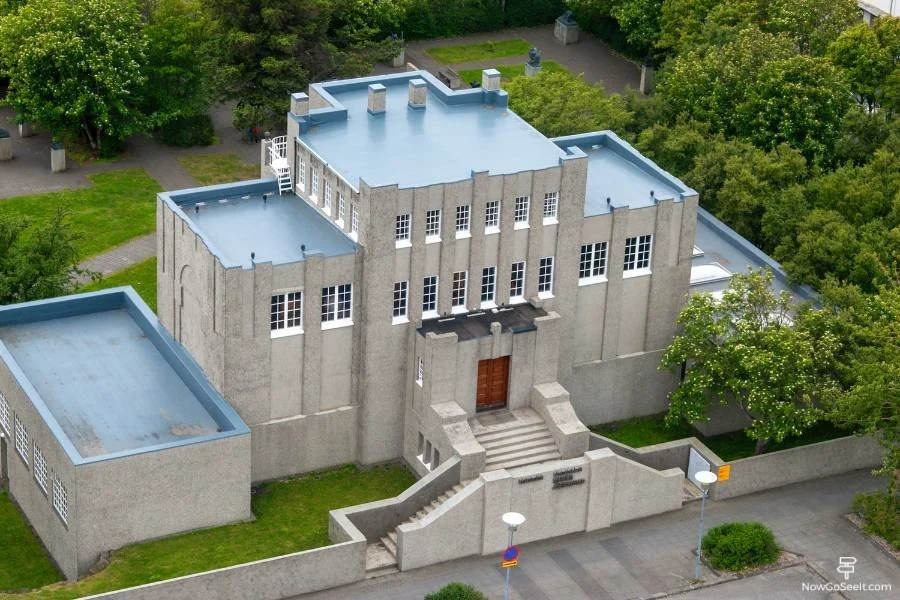
Einar Jónsson Museum and Sculpture Garden
Map: Google Maps
Website: Link
Right next to Hallgrímskirkja is this free sculpture garden filled with dramatic bronze works by Icelandic artist Einar Jónsson. The pieces are intense and mythological, with lots of angels, warriors, and abstract figures. If you’re into sculpture, the paid museum inside has even more of his work, but the free garden alone is worth a visit. It’s open year-round and usually quiet, making it a great quick stop if you’re in the area.

Lava Show
Map: Google Maps
Website: Link
Tickets: GetYourGuide
This small theater attraction pours real molten lava into a room full of people. That’s the pitch—and it delivers. The team behind it heats volcanic rock to 1100°C and pours it into a metal trough while you watch, hear, and feel the process from just a few feet away. It’s a weirdly hypnotic experience with plenty of time for Q&A and photos. The lava cools and hisses as it moves, and the host walks you through the geology of Iceland and past eruptions that shaped the island. Tickets are on the expensive side, but it’s an experience you probably won’t find anywhere else.

FlyOver Iceland
Map: Google Maps
Website: Link
Tickets: GetYourGuide
Think of it like Soarin’ at Disney but with fjords and volcanoes. You strap into a motion seat in front of a huge curved screen and fly across Iceland’s most dramatic scenery. There’s a pre-show that’s part historical lesson, part mood-setter, and then you’re off on the simulated flight. The whole thing takes about 30 minutes, including the setup shows. If you’re short on time or don’t plan on doing a ring road road trip, this is a fast way to “see” the country. It’s located down by the harbor near other big attractions, so it’s easy to pair with nearby stops.
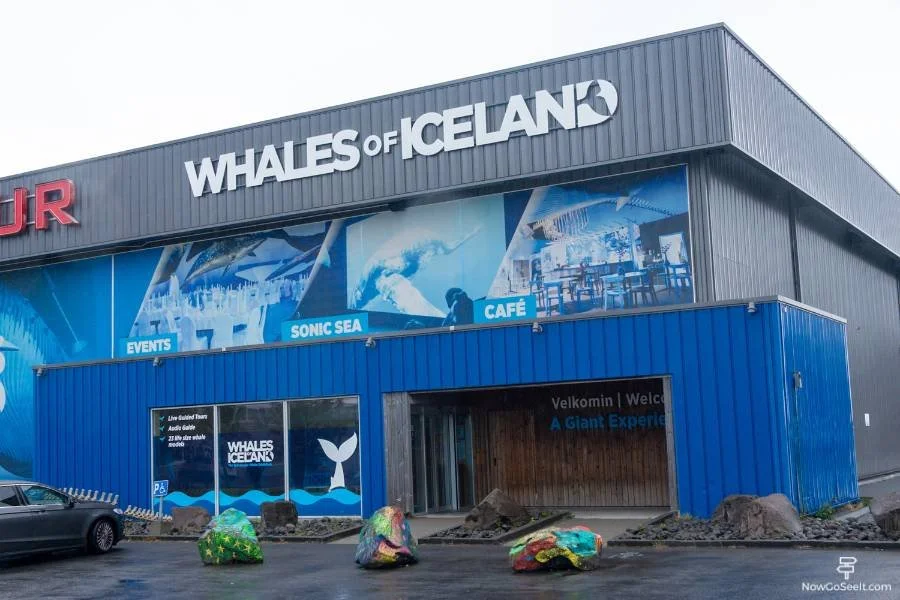
Whales of Iceland
Map: Google Maps
Website: Link
Tickets: GetYourGuide
This museum is filled with life-sized models of every species of whale found in Icelandic waters. You’ll walk beneath massive hanging models, each accompanied by information panels and sound installations. It’s a self-guided space but usually has a staff member floating around for questions. The lighting is dim and a little theatrical, which works well when you’re standing under a full-scale blue whale. It’s a good family stop or an indoor backup if the weather’s bad, and located near the Reykjavik harbor next to FlyOver Iceland and the Maritime Museum.
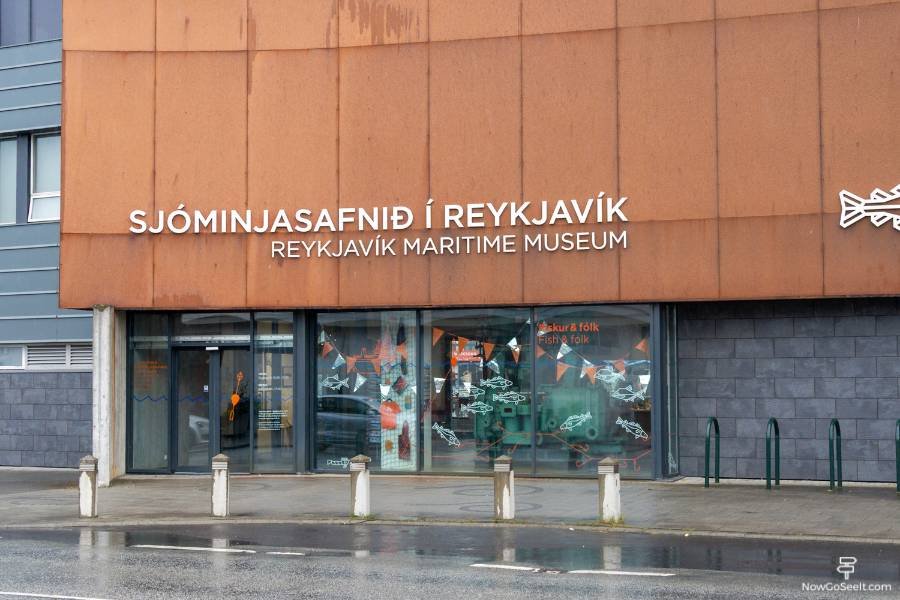
Reykjavík Maritime Museum
Map: Google Maps
Website: Link
This museum dives deep into the fishing and seafaring history of Iceland. Exhibits cover everything from 17th-century trade routes to modern coast guard patrols, with artifacts, model ships, and even a decommissioned coast guard vessel you can board in summer. There’s a short video with oral histories from fishermen, and a few hands-on displays if you’re visiting with kids. It’s located on the harbor and takes about an hour to explore. Not a blockbuster museum, but better than expected and easy to work into any harbor area itinerary.

Rainbow Street (Skólavörðustígur)
Map: Google Maps
This colorful street has become one of Reykjavik’s most photographed places thanks to the bold rainbow mural painted directly onto the pavement. It runs straight toward Hallgrímskirkja, creating a perfect photo frame of the church rising at the end of the rainbow.
Skólavörðustígur
Map: Google Maps
Not just home to Rainbow Street, this hilltop street is also one of Reykjavik’s best spots for shopping and design. It runs uphill toward Hallgrímskirkja and is lined with galleries, bookstores, cafes, and boutiques. It’s more about browsing than checking off tourist sites, but if you want locally made gifts, this is the place. The hill gives great views of the city behind you as you walk, and there’s almost always a busker or street performer along the route in summer months.

Þúfa
Map: Google Maps
Þúfa (pronounced THOO-vah) is an art installation that’s basically a grassy mound with a spiral path to the top. You’ll find it tucked behind the harbor area near the fish-processing buildings. At the top is a small wooden shed used for drying fish, a nod to the area's fishing roots. It’s surprisingly steep, and in winter it can get icy, but the climb is short. From the top you’ll get nice views of the harbor and the city skyline—plus it’s quirky enough that it makes for a good offbeat stop.

The House of Collections
Map: Google Maps
Website: Link
Part of the National Museum of Iceland, The House of Collections opened in 2023 inside a historic downtown building that previously housed Iceland’s parliament library. This museum brings together a rotating selection of more than 2,000 objects from across the National Museum’s vaults. It’s laid out more like a giant cabinet of curiosities than a traditional exhibition. You’ll see religious artifacts, vintage toys, musical instruments, furniture, tools, and fashion all mixed together. Labels are in English and Icelandic, and the whole experience is meant to showcase the variety of Icelandic culture over time. It’s easy to pair with a visit to Rainbow Street or Reykjavik City Hall—both are within a few minutes’ walk.

Check out our other posts about things to see and do in Iceland!
Or visit our Destinations page to be inspired.
Best Shore Excursions at the Port of Reykjavik, Iceland
Popular shore excursions in Iceland include the Golden Circle, Blue Lagoon, and whale watching tours. These book up fast, especially for cruisers disembarking at the cruise port Reykjavik with only a day or two to explore.
Golden Circle Express
This full-day tour is one of Iceland’s most popular. Various tour options include visits to Þingvellir National Park, a UNESCO World Heritage Site where the tectonic plates meet; Gullfoss, a powerful double-drop waterfall; and the bubbling geothermal field of Geysir. It’s a long day—around 7 to 8 hours including transport—but the short stops and distance between sites make it feel manageable. Expect a mix of bus time, bathroom breaks, and stunning scenery at every stop. You may have limited time at each site, but this is a great option if you want to see the country’s greatest hits all in one go.
Blue Lagoon Transfer
If relaxing in milky blue geothermal water is your goal, this transfer-only tour gets you there and back. Pre-booking is essential—the Blue Lagoon is often sold out, especially during peak cruise days. You’ll get a timed entry ticket and round-trip transport. Expect a commercialized but still memorable experience with locker rooms, on-site bars, and options to upgrade to premium spa access. It’s not cheap, but it’s easy to see why so many people prioritize this spot.
South Coast Waterfalls and Black Sand Beach
This tour packs in some of Iceland’s most dramatic scenery. Stops typically include Seljalandsfoss (a waterfall you can walk behind), Skógafoss (a massive curtain of water), and the basalt sea stacks of Reynisfjara Beach. The drive from Reykjavik to the South Coast is long—up to 2.5 hours each way—but the changing landscapes and clear signage make it feel like a road trip with planned picture stops. Many tours include lunch or allow time for a local café break.
Reykjanes Peninsula and Geothermal Landscapes
A quieter alternative to the Golden Circle, this route covers otherworldly sights like bubbling mud pots, steaming vents, and coastal cliffs. You’ll visit sites like Seltún, Gunnuhver hot springs, and the “Bridge Between Continents,” a symbolic crossing between the North American and Eurasian tectonic plates. Tours here are shorter and less crowded, with time to wander on your own at most stops.
Whale Watching Cruise
These boats leave from Reykjavik’s Old Harbor—just a short walk or shuttle ride from the cruise port. Sightings vary, but humpbacks, minkes, and white-beaked dolphins are common in the summer months. Many tours offer indoor seating and outdoor decks with blankets and hot drinks. Some companies provide guarantees or offer second trips if you don’t see anything. Expect a 2.5 to 3.5 hour trip with layered clothing.
Puffin Watching Boat Tour
From May through August, these short excursions take small boats out to islands like Akurey or Lundey where puffins come to nest. Boats stay a respectful distance, but you’ll still get close enough to see their distinctive beaks and quirky movements. Tours are usually under 90 minutes, making this a good fit for tighter schedules or as an add-on to a day in Reykjavik.
Walking Tour of Reykjavik
These city center tours cover highlights like Hallgrímskirkja, Harpa Concert Hall, Parliament House, and local street art. Guides often throw in folklore, Viking history, and tips on where to eat. Tours run about 2 to 3 hours, and many are pay-what-you-wish or under $40. This is a great way to learn about Icelandic culture without leaving the city.
Geothermal Bakery and Lava Field Hike
Some tours take you to sites where locals bake rye bread underground using natural geothermal heat. It’s usually served warm with butter or smoked trout. These excursions often combine food and scenery, with short hikes across lava fields or moss-covered plains. Most are half-day tours, keeping travel time under two hours total.
Helicopter Tour Over Reykjavik and Volcanoes
If your budget allows, helicopter flights offer an unmatched way to see Iceland from above. Short loops show the coastline, city skyline, and surrounding volcanoes. Some land on a remote summit or near geothermal zones. Flight times are 30 to 60 minutes and prices reflect that, but for those who want to cram in the most in the least time—it’s a worthy splurge, weather permitting.

We’re on YouTube!
The same great content without all the pesky reading!
Best Restaurants in Reykjavik, Iceland
Expect high prices and fresh ingredients—lamb, seafood, and hot dogs are local staples. If you're in port for 48 hours in Reykjavik, try one sit-down dinner and one grab-and-go hot dog from Bæjarins Beztu.
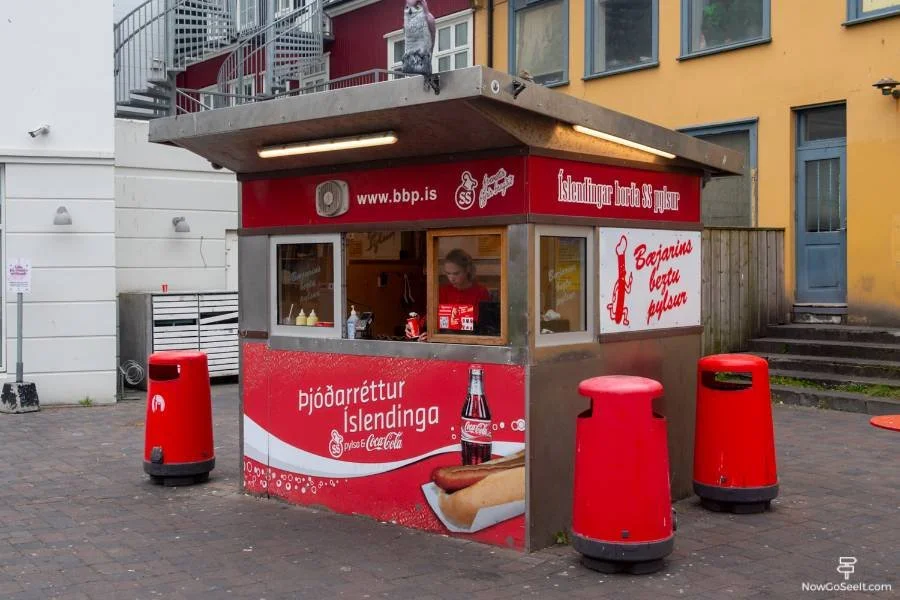
Lamb hot dog from Bæjarins Beztu Pylsur
Map: Google Maps
Website: Link
This hot dog stand near the harbor serves lamb-based dogs with crispy onions and remoulade. Cheap, fast, and famous for a reason.

Icelandic rye bread from Café Loki
Map: Google Maps
Website: Link
This homey cafe near Hallgrímskirkja serves traditional dark rye bread with butter, smoked trout, or herring.

Lamb soup from Icelandic Street Food
Map: Google Maps
Website: Link
Served in a bread bowl, this is a warm, affordable way to try one of Iceland’s staple dishes. Refills are usually included.
Skyr desserts from Skúbb
Map: Google Maps
Website: Link
Icelandic yogurt that’s thicker than Greek yogurt. Try it plain or as ice cream at this modern dessert spot.

Fish and chips from Reykjavik Fish
Map: Google Maps
Simple cod with crispy batter and thick fries. Located near the old harbor, it's quick and well-executed.

Bingó ice cream from Valdís
Map: Google Maps
Website: Link
Locals line up at this ice cream shop that offers flavors like licorice, rhubarb, and sea salt. Good even in cold weather.

Open-faced rye sandwiches from Sandholt
Map: Google Maps
Website: Link
A bakery on Laugavegur with quality open sandwiches topped with smoked fish, eggs, or cheese.

Seafood tasting menu from Fiskmarkaðurinn
Map: Google Maps
Website: Link
If you want to splurge, this upscale restaurant does multi-course menus with Icelandic seafood and creative presentation.


Reykjavik Cruise Port Map
A Reykjavik cruise port map helps you figure out which terminal you're docking at and how far it is from city highlights. Not all ships use the main cruise terminal in Reykjavik, so double-check where you're arriving before booking timed tours.
Map: Google Maps
The link above is to the Skarfabakki Cruise Port. Most ships arrive and depart from this port. For a local map, it’s best to use your favorite mapping app like Google Maps to navigate the city.
Best Things To Do in Reykjavik, Iceland:
Hallgrímskirkja
Harpa Concert Hall
Sun Voyager
Perlan
Laugavegur Shopping Street
National Museum of Iceland
Reykjavik City Hall
Árbær Open Air Museum
Icelandic Phallological Museum
Kolaportið Flea Market
Saga Museum
Lava Show
FlyOver Iceland
Whales of Iceland
Reykjavík Maritime Museum
Rainbow Street (Skólavörðustígur)
Þúfa
The House of Collections
Reykjavik Art Museum – Hafnarhús
Einar Jónsson Sculpture Garden
Golden Circle Express
Blue Lagoon
South Coast Tour
Reykjanes Peninsula
Whale Watching Tour
Puffin Watching Boat
Reykjavik Walking Tour
Bæjarins Beztu Pylsur
Fiskmarkaðurinn