
Cape Town, South Africa Itinerary: What To See in Cape Town
Now Go See It is reader-supported. When you buy through links on our site, we may earn an affiliate commission.
Explore the top things to do in Cape Town—from iconic landmarks and local eats to museums, markets, nightlife, and spots most tourists miss..
Things To Do in Cape Town, South Africa: (Jump To)
<p id="unique"></p>
www.nowgoseeit.com/blog/cape-town-south-africa-itinerary/#
View on YouTube
Best Things To Do in Cape Town
These must-see things in Cape Town should be the base of your Cape Town itinerary. Start building from this list with the most important local sites.

Table Mountain Aerial Cableway
Map: Google Maps
Website: Link
Tickets: GetYourGuide
There’s no ignoring Table Mountain. The cable car spins as it ascends, giving panoramic views over the city, ocean, and surrounding peaks. The ride is smooth, fast, and more efficient than attempting to hike up unless you're super fit and very prepared. The top has flat walking paths with signage, a cafe, and plenty of photo ops. Weather delays happen all the time, so check the live updates before heading out. It's worth waiting for a clear day. Bring layers—the temperature drops noticeably at the summit. The return trip is just as scenic. If you’re pressed for time or if it’s a hot day the Fast Track ticket is worth the extra price.

Robben Island Museum
Map: Google Maps
Website: Link
Tickets: Viator
Touring Robben Island isn’t particularly fun, but that’s not the point. This was the prison that held Nelson Mandela for 18 years. The tour includes a ferry ride, a bus trip across the island, and a walk through the actual prison led by a former inmate. The history hits hard, especially when you're standing in Mandela’s old cell. The ferry can be rough depending on the day, so pack some motion sickness medicine if you're prone. Advance booking is essential and sometimes hard to get during cruise season.

Boulders Beach Penguin Colony
Map: Google Maps
Website: Link
This is the place to go if you want to see African penguins up close without booking a boat tour or visiting a zoo. The penguin colony lives in a protected area within Table Mountain National Park, and you’ll view them from a series of raised boardwalks that cut through the dunes and bushes. You’ll hear them before you see them (they’re also known as “jack-ass penguins” because of the sounds they make). Don’t try to touch them—they bite, and there are signs everywhere reminding you. The entrance fee is higher for international visitors but worth it if you’ve never seen penguins in the wild. It gets crowded on weekends and during cruise season, so go early or late in the day if you want clearer views and less chaos. There are clean bathrooms, a small visitor center, and a gift shop with some top penguin merch.

V&A Waterfront
Map: Google Maps
Website: Link
It’s touristy but still worth the time. There’s shopping, museums, food markets, boat rides, and random pop-up performances. The view of Table Mountain from the harbor area is a favorite photo spot. There are upscale stores next to casual souvenir stands, and the mix somehow works. Restaurants range from fast food to fine dining, and the food market has some solid local options. It’s also the departure point for Robben Island, a landing point for much of the cruise ship traffic, and you can kill time here before or after your tours or shore excursions. Most importantly, it’s safe and easy to navigate. Plus it’s packed with people, and things to see and do.

Bo-Kaap
Map: Google Maps
The neighborhood is famous for its rainbow-painted buildings, but it’s more than a photo stop. There are cool shops selling handmade ceramics, spices, and art. Atlas Trading Company (Google Maps) is worth a visit for spices. You’ll be offered paid tours on the spot—ignore them unless you want a local guide to walk you around for 20 minutes. Be respectful; people live here. The Iziko Bo-Kaap Museum (Google Maps) is an inexpensive way to deepen your understanding of the history and culture of the area.
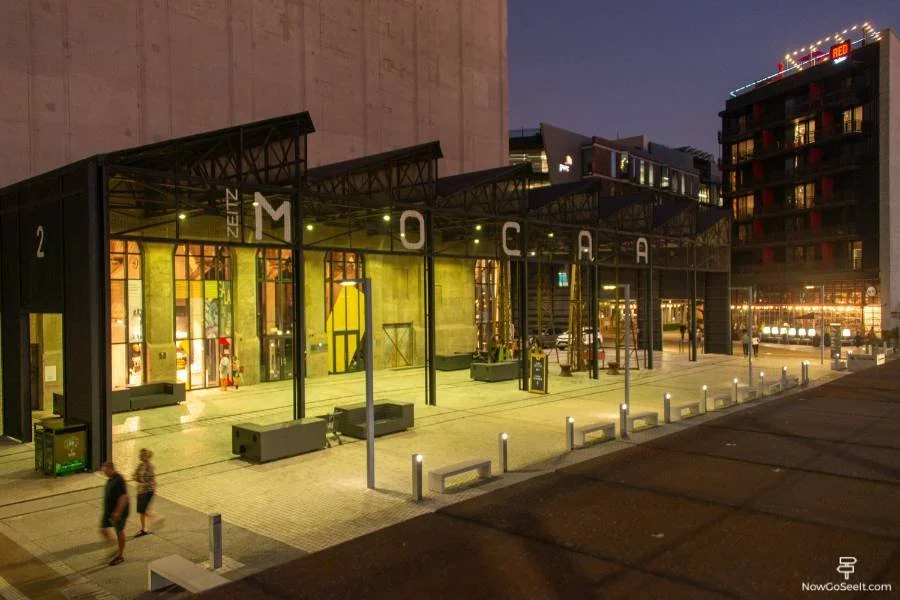
Zeitz MOCAA
Map: Google Maps
Website: Link
Tickets: GetYourGuide
Even if you don’t care about art, this museum inside a converted grain silo is worth it for the building alone. Inside are rotating exhibits of contemporary African art, and while some displays won’t be to your taste, others are genuinely impressive. The atrium is jaw-dropping. You can see it all in under an hour if you're quick. It’s located at the V&A Waterfront, so easy to work into the same block of time. The rooftop terrace is accessible with admission and has excellent views of the city.

Greenmarket Square
Map: Google Maps
This open-air market is a mix of crafts, mass-produced souvenirs, and random odds and ends. Vendors are pushy, but polite if you say no firmly. Prices aren’t fixed, so haggle if you’re buying. If you're not into shopping, it’s still an interesting walk-through with a heavy dose of street energy. Surrounding buildings are historic, but not labeled, so do some reading in advance if you want the context. Best to visit during daylight hours, things start to pack up at sunset.
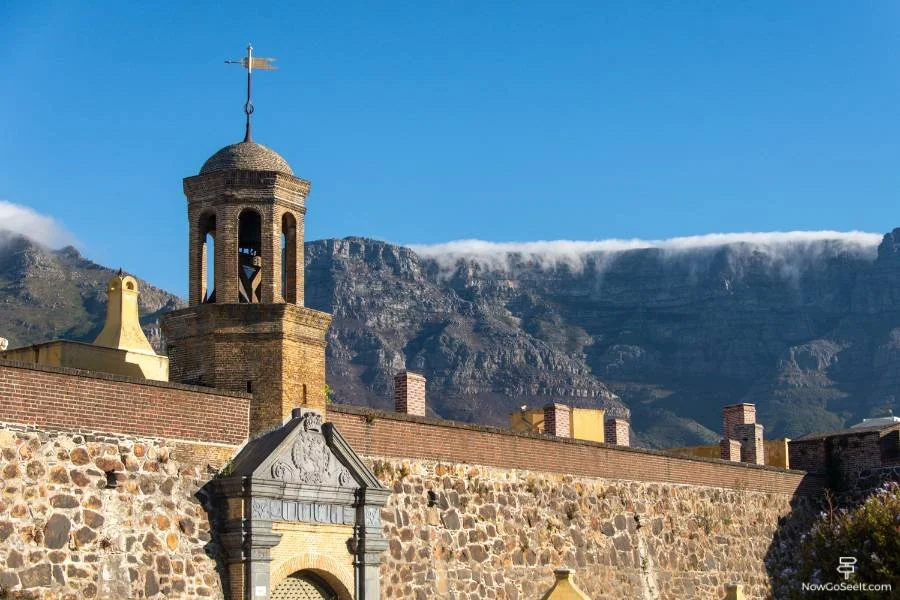
Castle of Good Hope
Map: Google Maps
Website: Link
It’s the oldest surviving colonial building in South Africa. That’s either a reason to go or a reason to skip, depending on your interest in colonial history. There’s a small museum inside, a few artifacts, and some military relics. The best part is the view from the wall over the city. You don’t need more than 45 minutes here. The location is convenient to other city center stops, so it’s easy to add to your itinerary. Don’t expect much signage—go in with some background or use your phone for context. It closes early, so put it toward the beginning of the day if it’s a must-see for your itinerary.

Oranjezicht City Farm Market
Map: Google Maps
Website: Link
Held on weekends and select Summer Wednesdays this market is one part farmers market, one part craft market, and one part basic-Pinterest board come to life. Local vendors sell food, drinks, flowers, and small-batch goods. The food quality is high and includes both healthy and indulgent options. Seating is frustratingly limited, so grab what you can or eat standing up. It gets very busy, so go early. To be honest, I found it to be a little too pretentious and inauthentic for our tastes. We liked Mojo Market (below) much more.

Check out our other posts about things to see and do in Cape Town or South Africa!
Or visit our Destinations page to be inspired.

District Six Museum
Map: Google Maps
Website: Link
This small museum is dedicated to a huge story. District Six was a thriving community that was forcibly destroyed under apartheid. The museum is housed in a former church and filled with first-person narratives, photos, and maps. It’s a short stop—most people finish in under 30 minutes—but the stories stay with you. No need for a guide, but if one is offered, take it. The museum is close to the city center and other walkable destinations.
City Sightseeing Cape Town Bus
Tickets: GetYourGuide
Hop-on hop-off buses aren’t always worth it, but in Cape Town, the convenience is hard to beat. Routes take you to most of the city’s major sites including Table Mountain, Camps Bay, and the V&A Waterfront. They also go out to the Constantia Wine Route. You’ll get a set of earphones for audio commentary that’s decent enough. Try to sit upstairs if the weather’s good. Buy tickets online in advance for a small discount. Works well for people trying to see a lot in one day without figuring out local transport.

Sea Point Promenade
Map: Google Maps
Walking Map: AllTrails
This paved coastal path stretches for several kilometers along the Atlantic Ocean. Locals use it for jogging, skating, and walking their dogs. It’s also a good spot for people-watching and catching ocean views. There are a few interesting sculptures and memorials scattered along the way. Benches are limited. If you’re into photography, this is a solid location to capture waves crashing against the sea wall. Mornings are less crowded.

We share tips and tricks for credit card points and miles. These tools help us save money on our trips around the world by allowing us to accumulate airline miles and hotel points.

Iziko South African Museum
Map: Google Maps
Website: Link
This museum blends natural history with anthropology. Dinosaur skeletons and taxidermy displays fill one section, while another covers early human artifacts and South African cultural history. Some displays feel a bit dated, but others have been modernized. It’s a large indoor space if you’d like to cool off in the air conditioning, escape some rain, or just want to support a local educational institution.
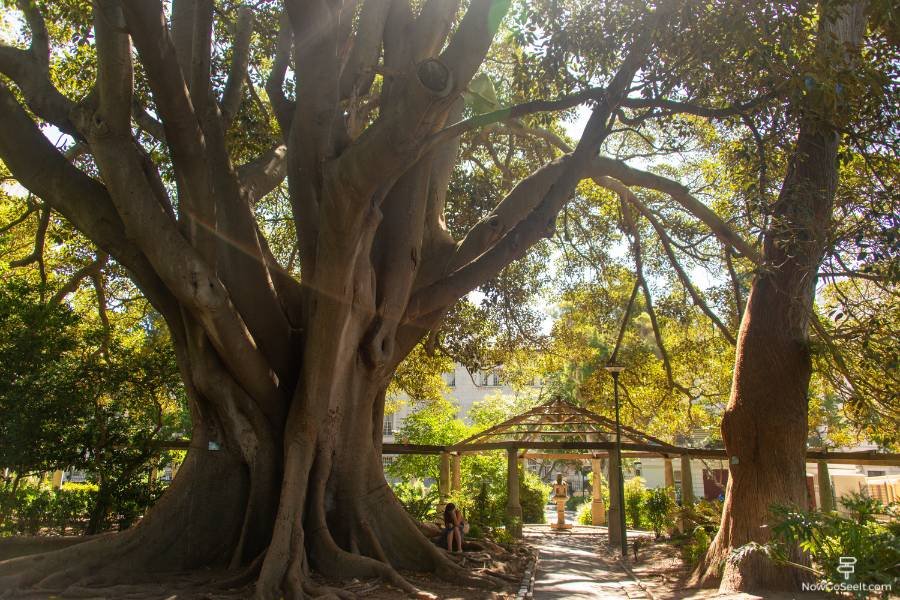
Company's Garden
Map: Google Maps
Originally a supply garden for the Dutch East India Company, this public space now houses several museums, statues, and historic buildings. The South African National Gallery is located inside, though exhibits rotate and may not always be worth the fee. What draws people here now are the squirrels and pigeons, oddly enough. Vendors sell small bags of peanuts for feeding, which kids seem to love.

We’re on YouTube!
The same great content without all the pesky reading!

Cape Wheel
Map: Google Maps
Website: Link
Tickets: GetYourGuide
The Cape Wheel sits at the V&A Waterfront and gives panoramic views across the city, Table Mountain, and the harbor. Each capsule is enclosed and air-conditioned, so weather isn’t much of a factor. It’s surprisingly smooth and a full loop takes about 10-15 minutes. Lines can be long on weekends and holidays but usually move quickly. It's not exactly budget-priced, but it’s a nice way to kick off or end a day of sightseeing. Best to go around sunset if you're trying to impress someone. Tickets can be booked in advance online.

The Mojo Market
Map: Google Maps
Website: Link
Located near Sea Point, Mojo Market is a mix of food stalls, bar counters, and small shops. There’s live music most evenings and seating scattered throughout the space. Cuisine ranges from poké bowls to Belgian waffles to Cape Malay curry. It’s not polished, but that’s part of the appeal. Great for groups or picky eaters.

Two Oceans Aquarium
Map: Google Maps
Website: Link
Tickets: Viator
This is a mid-sized aquarium, but it’s packed with well-designed exhibits. The star attractions are the penguin habitat and massive predator tank. There are interactive zones for kids, including a touch pool with sea stars and anemones. Most families spend about 1.5–2 hours here. It’s located right at the V&A Waterfront, so you can easily combine it with lunch or shopping. There are scheduled feeding times and short educational talks throughout the day.

Time Out Market Cape Town
Map: Google Maps
Website: Link
The global food hall franchise landed in Cape Town with a polished setup at the V&A Waterfront. It’s a sleek space with communal tables, an open bar, and curated vendors handpicked by Time Out’s editorial team. You’ll find everything from local braai-style skewers to sushi, Cape Malay curry, and upscale burgers. Prices are higher than nearby food options, but not outrageous considering the quality and location. It’s clean, well-run, and ideal if you’re traveling with people who can’t agree on what to eat. The bar is central and stocked with local wine and craft beer. Expect a mix of tourists and locals who want variety without sacrificing quality.

The Watershed
Map: Google Maps
Website: Link
This warehouse-style building next to the aquarium houses a well-curated collection of stalls selling handmade goods, clothing, ceramics, prints, and small-batch skincare. It’s a tourist market, but one of the better ones—products here lean toward design-conscious rather than souvenir junk. Prices are what you'd expect from small-batch artisans, and most vendors accept cards. If you're looking for actual art, you’ll find several stalls selling original prints and photography. It’s indoors and spacious, so easy to browse even if the Waterfront is packed outside.

Iziko Slave Lodge
Map: Google Maps
Website: Link
It’s not a large museum, but the content hits hard. The Slave Lodge covers South Africa’s slavery history through exhibits focused on daily life, resistance, and colonial systems. It’s housed in one of the country’s oldest buildings, used in the 17th century to house enslaved people owned by the Dutch East India Company. Exhibits rotate and aren’t always linear, so you may need to double back to connect the dots. Some rooms focus on broader human rights themes, while others stay rooted in Cape Town’s history. Audio stations and video displays fill in the gaps. It’s not uplifting, but it’s important. Most people spend 30–45 minutes here.

St. George’s Cathedral
Map: Google Maps
Website: Link
Known as the “People’s Cathedral” for its anti-apartheid activism, this stone church in the city center still holds regular services but welcomes visitors during the day. Architecturally it’s Gothic Revival, complete with vaulted ceilings and stained glass windows. There’s a crypt gallery downstairs that hosts exhibitions and events. The significance here isn’t just religious—it was a frequent starting point for protest marches during the struggle against apartheid. It’s not huge, and there’s not much signage, but stepping inside gives you a quick sense of how much this place mattered. Entry is free, donations appreciated.


Best Things To Do in Cape Town:
Table Mountain Aerial Cableway
Robben Island Museum
Boulders Beach Penguin Colony
V&A Waterfront
Bo-Kaap
Zeitz MOCAA
Greenmarket Square
Castle of Good Hope
Oranjezicht City Farm Market
District Six Museum
City Sightseeing Cape Town Bus
Sea Point Promenade
Iziko South African Museum
Company's Garden
Cape Wheel
The Mojo Market
Two Oceans Aquarium
Time Out Market Cape Town
The Watershed
Iziko Slave Lodge
St. George’s Cathedral