Things To Do at Cruise Port Willemstad Curacao: Our Guide
Now Go See It is reader-supported. When you buy through links on our site, we may earn an affiliate commission.
Willemstad, Curaçao cruise port guide: quick downtown transport, safety notes, getting around, 15 top sights, 10 excursions, local food, and maps for cruisers.

How To Get To The City Center From The Willemstad, Curaçao Port
Willemstad cruise port to downtown is one of the easiest cruise-day setups in the Caribbean. This section covers the quickest ways to get from the pier to the city center, with options for every budget.
Willemstad has two main cruise berths: Mega Pier (Google Maps) and Mathey Wharf (Google Maps), and both put you close to the historic center. If you dock at Mathey Wharf, you’re basically already in town, so you can start walking as soon as you clear the terminal. From Mega Pier, you’re just a few extra steps from the historic core.
Taxis line up at the terminals, and you can also find tour operators right in the port area if you want to lock something in without pre-booking. If your plan is beaches on the west side or a loop that would be annoying by bus, a taxi, or pre-booked transfer is usually the least friction. You will also find local and international car rental brands with same-day availability here too.
If you only want the classic Willemstad visuals plus a quick museum and a shop or two, walking around the historic core works well. For a simple self-guided route, use the official walking-map resources in the map section at the end of this post.

Airline Miles and Hotel Points 101
We share tips and tricks for credit card points and miles. These tools help us save money on our trips around the world by allowing us to accumulate airline and hotel points.
Is Willemstad, Curaçao Safe?
Willemstad safety for tourists is mostly about basic awareness, not paranoia. Here’s what feels normal around the cruise port and downtown so you can plan your day without overthinking it.
Curaçao is generally considered a lower-drama Caribbean stop compared with some nearby destinations, and official advisories tend to focus on standard precautions. Around the cruise port and the main downtown streets, it feels touristy and active during the day, especially when multiple ships are in. The most common issues visitors run into are petty theft and unattended bags, the same stuff you’d watch for in any popular visitor area.
Downtown can get quieter in the evening once day crowds leave, so if you’re on an overnight or visiting outside of the cruise schedule, use the same awareness you would in any city.
If you rent a car for a beach day, park smart and don’t leave anything visible inside, even for a quick stop. Organized shore excursions keep logistics simple because the island is used to cruise traffic and the routes are well-worn.

About Willemstad, Curaçao
Willemstad travel tips make more sense when you know how the city is laid out and what makes it different from a resort strip. This overview covers the basics including, money, language, and the main areas you’ll hear referenced.
Willemstad is the capital of Curaçao and the island’s main hub for government, shopping, and day-to-day life. The historic core is a UNESCO World Heritage Site, which is why the waterfront streets and fortifications look so distinct compared with newer parts of town.
You’ll notice Dutch influence in the city’s planning and architecture, mixed with Caribbean color and a very practical port-city feel. Papiamentu and Dutch are the official languages, and you’ll also hear plenty of English and Spanish around cruise areas. Curaçao uses the Netherlands Antillean guilder (ANG), and most places accept U.S. dollars, but you’ll often get change back in guilders.
The city center is compact enough that you can hit major sights on foot. Two names you’ll hear a lot are Punda and Otrobanda, the main historic districts split by the harbor. The waterway between them is St. Anna Bay, and understanding that layout makes getting around feel simple and fast.

Check out our other posts about things to see and do in Curaçao or other nearby Ports!
Or visit our Destinations page to be inspired.
How To Get Around Willemstad, Curaçao
Getting around Willemstad without a car is easy in the historic center and doable beyond it with buses and taxis. This section covers walking range, how local buses work, and when a taxi saves time.
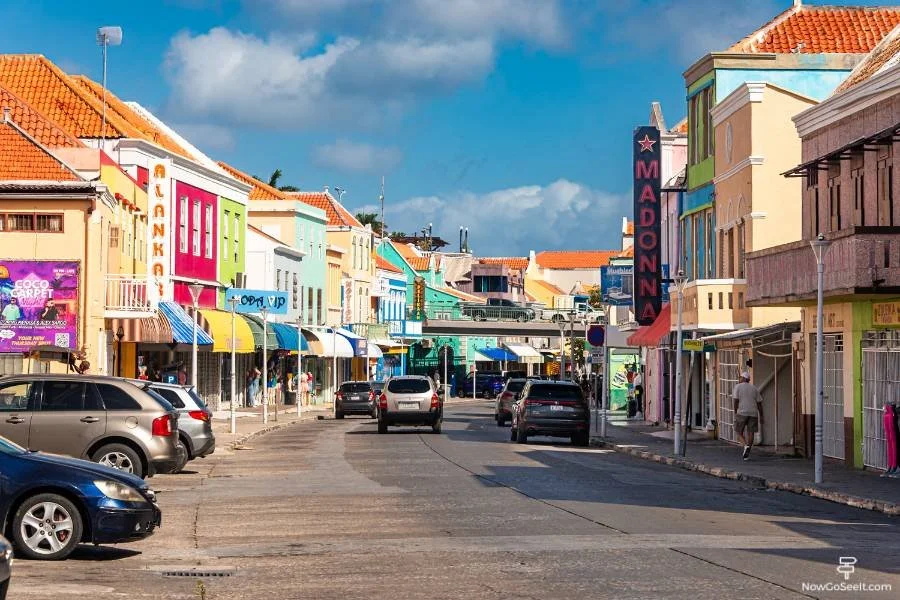
For most cruise days, walking is the default because the core sights are close together and routes are straightforward. Sidewalks and crossings can be uneven in spots.
If you want to go beyond downtown without booking a tour, public buses are the budget option, and most routes funnel through the main terminals in town. The public operator is Autobusbedrijf Curaçao (ABC), and they publish route information and fares online. Bus timing isn’t like a big-city metro, so it works best if you’re flexible and not trying to stack ten stops before all-aboard. Minibuses and shared vans exist too, but they can be confusing for first-timers because they operate more like informal routes than posted timetables.
Taxis are plentiful around the cruise terminals and downtown, and they’re the easiest way to combine a beach stop with a timed return. If you’re short on time, using a taxi for the farthest leg and walking the rest is usually the best compromise.
If you’re looking to see the island on your own, it’s worthwhile to rent a car for the day. You can book with national rental brands in advance. Rental cars are also typically available once you’ve arrived at the port with local or national rental companies. Expect to pay about US$80-150 for the day.

We’re on YouTube!
The same great content without all the pesky reading!
What To See In Willemstad, Curaçao
Willemstad things to do from the cruise port are heavy on waterfront views, forts, museums, and easy shopping streets. These picks are cruise-day friendly, walkable in clusters, and realistic to fit into one day.

Handelskade
Map: Google Maps
Handelskade is the postcard waterfront street that has become the iconic image of Willemstad. It’s a row of colorful historic buildings facing the harbor. The best way to use it is as a photo backdrop and a starting point. You’ll find reliable restaurants and tourist-oriented shops inside the historic facades. Plan on looping back near the end of the day too, because the light changes the look of the buildings a lot.

Queen Emma Bridge
Map: Google Maps
This floating pedestrian bridge connects both sides of downtown over the bay. It’s built on pontoons, so you’ll feel a little movement underfoot, which makes it feel different from a normal city crossing. Boats still pass through, so the bridge can open to let water traffic through, and that becomes an unplanned mini show. If it opens while you’re nearby, you’ll see people pause, watch it work, and then carry on. The views back toward the harborfront are good from the middle, especially when ship traffic is active. Do it at least once so you can say you crossed one of Willemstad’s signature landmarks.
Fort Amsterdam
Map: Google Maps
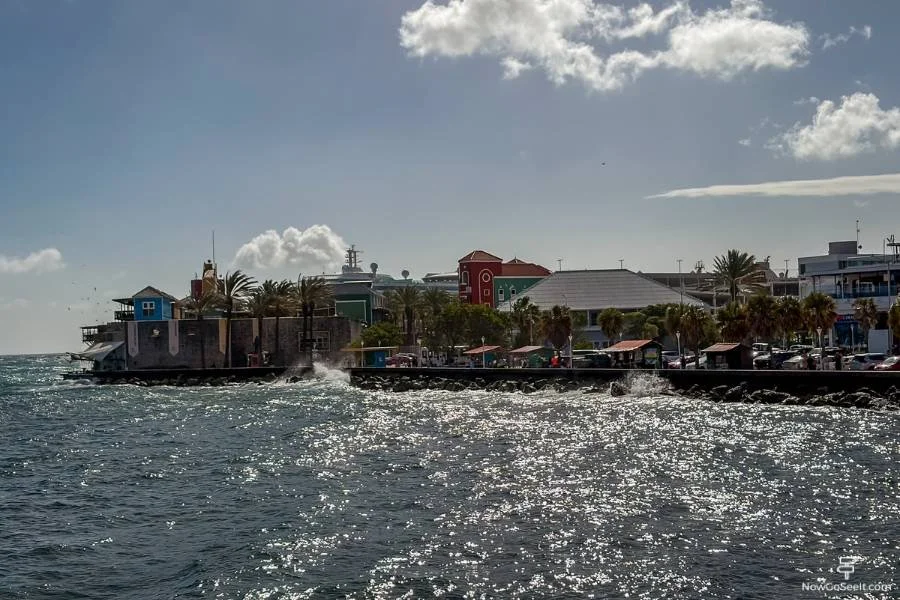
Fort Amsterdam is one of the key historic structures in the city. It dates to the 1600s and sits right on the harbor. There’s no official tour of the building. You can walk around on your own to see the thick walls and layout. It currently houses governmental offices and a collection of shops and eateries. You’ll see government functions and everyday activity around it, which gives it a different feel than a museum-only fort. From the outside, it reads as practical military architecture, not decorative ruins. If you like history in manageable doses, this is a satisfying self-guided 15–30 minute stop.

Rif Fort
Map: Google Maps
Website: Link
Rif Fort is a former fortification that’s been repurposed into a shopping and dining area, so it’s part historic bones and part modern convenience. It’s an easy stop if you want air conditioning or need bathrooms. You can still see the structure of the fort, which makes it more interesting than a generic mall setup. It’s located close to both ports. If you’re looking to get off the ship and do some low effort shopping with a touch of history, this is a great option. If shopping isn’t your thing, you can walk through and quickly soak in the history of the walls.
Kura Hulanda Museum
Map: Google Maps
Website: Link
This museum focuses on African heritage and the history of the transatlantic slave trade, and it’s one of the more serious stops in town. It’s a strong counterbalance to a day that’s otherwise beach and shopping. The exhibits cover heavy topics, so it’s not something you rush unless you’re fine skimming. Plan at least an hour if you want to read and take it in. Afterward, the city’s forts and harbor story land differently because you’ve got more context. If you want one stop that adds depth to your day, this is it.

Curaçao Maritime Museum
Map: Google Maps
Website: Link
This is the quick way to understand why Willemstad exists where it does: shipping, trade, and a port economy. If you like the behind-the-scenes side of travel, it’s a solid pick because it explains the city’s relationship with the sea without being overly academic. You’ll see ship models, trade history, and local maritime context. Give yourself 45–90 minutes, depending on how much you read. It’s a good mid-day stop because it breaks up walking and shopping with something different. If you’re the kind of traveler who likes to know how places function, this one is worth your time. Then you step outside, and the waterfront makes immediate sense.

Mikvé Israel-Emanuel Synagogue
Map: Google Maps
Website: Link
This is one of Willemstad’s standout cultural sites, and it’s known for its long history and distinct interior. It’s a respectful visit that doesn’t take long, but it adds real depth to a cruise day. Check opening hours before you head over because schedules can shift for services and events. Inside, you’ll notice details that make it clear this community has been established here for a long time. Even if you’re not religious, it’s worth visiting as a cultural institution and part of the city’s story. Photography rules can vary, so treat it like a museum and follow posted guidance. Plan a short visit, then keep moving to nearby downtown sights.
Scharloo
Map: Google Maps
Scharloo is a neighborhood known for historic mansions and street art, and it feels different from the most crowded harborfront routes. If you want to see Willemstad beyond the same postcard angles, this is a good neighborhood shift. Some buildings are beautifully restored, and others still look like works in progress, which makes it feel more real. The street art pops up in unexpected places, so you end up scanning walls and corners. It’s also a good reminder that the city isn’t only built for cruise traffic. If you’re short on time, do a quick loop and grab the highlights. If you’ve got extra time, slow down and pay attention to the architectural details. It’s one of the best areas for something that feels different without leaving the city.

Pietermaai
Map: Google Maps
Pietermaai is a go-to area for dining and nightlife, and it’s a good option if your ship stays late. During the day, it’s still worth a look because you’ll see restored buildings and a more modern side of town. This area is less about museums and more about how locals and visitors actually spend an evening. In the afternoon, it can feel quiet, then it gets busier as dinner service ramps up. If you want a nicer meal on land rather than eating back on the ship, this is one of the easiest areas to plan around. It’s also a good change of scenery if you’ve already had your fill of souvenir shopping. If your ship leaves early, keep this as a quick look rather than a long stop. If your ship leaves late, this can be the anchor for your evening.

Floating Market
Map: Google Maps
The Floating Market is a long-running waterfront market tradition where vendors sell produce and goods along the bay. Don’t expect a huge, polished market hall; it’s more like a row of stands you pass through while exploring downtown. It’s worth a look. These days, the market is geared more toward souvenirs for cruise passengers, but you can still see the bones of the historic maritime tradition. If you enjoy markets, it adds a different texture to a cruise day. Go in with realistic expectations, and you’ll have fun with it.

Waterfort
Map: Google Maps
Waterfort is part of the historic waterfront defenses, and it’s woven into the modern city rather than isolated as a standalone attraction. It’s included in the UNESCO-listed historic area, which tells you it’s not just a random old wall. Even without a formal tour, you can understand its purpose just by seeing how it sits near the harbor. This is another good example of how Willemstad layers new uses onto old structures instead of freezing everything in time. If you like urban history, it’s satisfying because it’s not a theme-park fort; it’s part of the working city. Plan it as a short pass-through on a bigger walking loop. It pairs easily with nearby museums and shopping streets.

Breedestraat
Map: Google Maps
Breedestraat is one of the main downtown shopping streets in Willemstad. You’ll find souvenir shops, local boutiques, and practical stores that aren’t only aimed at cruise passengers. It’s also a decent people-watching street because it catches both locals and visitors moving between the waterfront and inner blocks. This is also a practical spot for a quick coffee or snack that feels more local. You can speed through in 15 minutes or spend an hour, depending on your shopping habits.
Landhuis Chobolobo
Map: Google Maps
Website: Link
Landhuis Chobolobo is the home of the island’s famous liqueur distillery experience, and it’s a tidy, structured visit that fits a cruise schedule well. It’s outside the tight downtown loop, so plan on a taxi to save time. You’ll learn how the island’s signature liqueur is made and how it became a recognizable export. Even if you don’t drink, the tour side is still interesting because it’s a simple manufacturing and branding story tied to the island. It’s also an easy gift-shopping stop because bottles and branded items travel well. If you buy glass, don’t carry it all day unless you love that kind of stress; do this late, or do it early and drop it back at the ship. The visit usually fits in about an hour, depending on crowds. If you want something different from yet another museum, this is an easy win.
Curaçao Sea Aquarium
Map: Google Maps
Website: Link
This is a straightforward option if you want animals and a break from forts and architecture. It isn’t in the immediate downtown core, so plan on a taxi ride to keep your day efficient. The layout is easy to navigate and works well as a compact visit. Some people pair it with beach time nearby, but it also works as a standalone stop if you want a change of pace. Budget for admission because it’s not a free pop-in. It’s also a good reminder that Curaçao isn’t only about beaches.
Mambo Beach Boulevard
Map: Google Maps
Website: Link
Mambo Beach Boulevard is the commercial strip behind a popular easy-access beach, and it’s built for visitors who want convenience. It’s a good choice when you want beach time with food, shade, and shops right there, without solving logistics like you’re planning an expedition. You’ll find beach clubs and casual restaurants all in one area, which makes it cruise-timetable friendly. This isn’t the place to go for quiet; it’s a busy beach district with a lot happening. If you want a beach chair and a predictable setup, this is a simple answer. Prices tend to be higher here than in quieter areas because you’re paying for convenience. From the cruise port, it’s a quick taxi ride, which makes it realistic as a half-day option if you still want time downtown.


Best Cruise Ship Shore Excursions At The Port Of Willemstad, Curaçao
Curaçao shore excursions from Willemstad cover beaches, caves, and the rugged north coast without insane drive times. These picks focus on tours that fit a cruise schedule and get you back without drama.
If you want to leave the city center, Curaçao rewards you fast because the island changes character quickly once you’re outside town. Booking through Viator or GetYourGuide can simplify timing, transport, and meeting points, especially for boat trips and west-side beach days. These options are written so you can choose based on what you actually want: water time, scenery, wildlife, or culture. If you want to keep it simple, pick one big excursion and then do downtown before or after.
Klein Curaçao Day Trip
This is the classic boat day: a full-day trip to a small, mostly undeveloped island for beach time and swimming. Most tours include food and run on a set schedule, which helps on a cruise day. Seas can be rough, so it’s best for people who are fine with being on a boat for hours.
Hato Caves
A reliable half-day option when you want something different from beaches without a long island drive. It’s a guided walk through cave chambers and formations, usually paired with a short scenic drive. This is also a good heat break because you’re not outside the whole time.
Shete Boka National Park
This is all about the north coast: waves slamming into rock inlets and rugged shoreline views. Tours usually focus on a few main lookouts rather than trying to cover everything. It pairs well with a second stop like a beach because it’s more about moving and looking than hanging out.
Christoffel National Park
The island’s main nature park has scenic drives and optional hiking depending on the tour. Pick a version that matches your energy level because heat builds fast. It’s best as a morning excursion, so you’re not doing the toughest part in peak sun.
Blue Room Cave Snorkel
Usually, a boat trip to a sea cave plus snorkeling stops, so it’s not just a quick look-and-leave. Conditions matter, so schedules can shift based on the sea. If you’re sensitive to motion, choose a shorter tour or take your usual seasickness plan seriously.
Tugboat Wreck Snorkel
A popular snorkel stop because the wreck sits in shallow water, and you can see a lot without being an expert swimmer. Tours often combine it with other nearby snorkel points, so you get a lot of water time without a full-day boat commitment. If you travel with your own mask and snorkel, this is one of those Amazon buys that pays off across multiple cruises.
Cas Abao Beach Day
A west-side beach option that’s popular for good reason: it’s a dedicated beach day that feels like a real escape from town. It’s far enough that booking transport is the main reason to choose a tour. This works well as a half-day or full-day, depending on how much downtown time you still want.
Playa Porto Mari Beach Day
Another west-side favorite with facilities and easy snorkeling from shore. It’s a simple choice when you want a beach setup that’s predictable and not complicated. This is good for mixed groups because it usually satisfies both beach loungers and snorkel people.
Jan Kok Salt Pans Flamingo Stop
The quickest way to try for flamingos without turning the day into a wildlife mission. Tours usually stop briefly so you can look from a respectful distance, and it’s often paired with west-side beaches. Treat it like a bonus moment, not the main event.
Curaçao Ostrich Farm
A fun curveball when you want something that isn’t another beach stop. The visit is structured and easy, which makes it cruise-friendly. It’s more about novelty than bucket-list scenery, and that’s exactly why it works.
Willemstad, Curaçao Cruise Port Map
A Willemstad cruise port map helps you avoid backtracking and makes it easy to build a tight walking loop. These links cover downtown walking routes, port maps, and bus route information.
Curaçao Tourist Board Architectural Walking Guide (PDF): Link
Curaçao Ports Authority Cruise Map (PDF): Link
Downtown Walking Tour Map (PDF): Curaçao Ports Authority
Curaçao Ports Authority Cruise Maps Page: Link
Map: Google Maps
Willemstad is easy once you understand that most cruise-day sightseeing happens in a compact downtown loop around the bay. The Curaçao Ports Authority publishes cruise maps designed specifically for visitors coming off ships, including downtown walking layouts. The Curaçao Tourist Board also publishes a walking guide with two self-guided routes that work well for cruise passengers who want structure without a paid tour. Many useful pages are linked above.