
Now Go See It is reader-supported. When you buy through links on our site, we may earn an affiliate commission.
The Pyramids of Giza are the reason many people visit Cairo, but they were only the beginning of our week. Here are the places that delivered, the surprises we would return for, and the famous stops we would skip next time.
Guide: (Jump To)
Things to See in Cairo, Egypt: What We Loved and What We Would Skip
Most lists of things to see in Cairo begin with the Pyramids of Giza. So did mine. I have wanted to stand in front of the Great Pyramid for years, and it did not disappoint. What surprised me was the pyramids outside the famous Giza group, at Saqqara and Dahshur. They ended up being the ancient sites I most wanted to visit again.
We used Cairo as my base for nearly a week. We saw the royal mummies at the National Museum of Egyptian Civilization, climbed Bab Zuweila, got turned around inside the Cairo Citadel, shopped in Zamalek, went sledding at Ski Egypt, and sat through a Nile cruise I would not book again. Some of Cairo’s most famous attractions were worth every minute. Others were easy cuts.
If I were planning a first Cairo trip now, I would build it around six places: the Giza Pyramids and Great Sphinx, the Grand Egyptian Museum, Saqqara and Dahshur, Bab Zuweila, Manial Palace, and the Cairo Citadel. Everything else depends on your interests, how many days you have, and how much Cairo traffic you are willing to sit through.

The Best Things to See in Cairo
For a quick answer, these were my favorite sights to see in Cairo and the surrounding Giza area:
The Pyramids of Giza and Great Sphinx for the experience you probably came to Egypt to have.
The Grand Egyptian Museum for the Tutankhamun galleries, Grand Staircase, and a huge collection that could fill most of a day.
Saqqara and Dahshur for the Step, Bent, and Red pyramids and the chance to follow the development of pyramid construction.
Bab Zuweila for my favorite view across Historic Cairo.
Manial Palace for decorated rooms, tilework, the Throne Hall, and one very strange hunting museum.
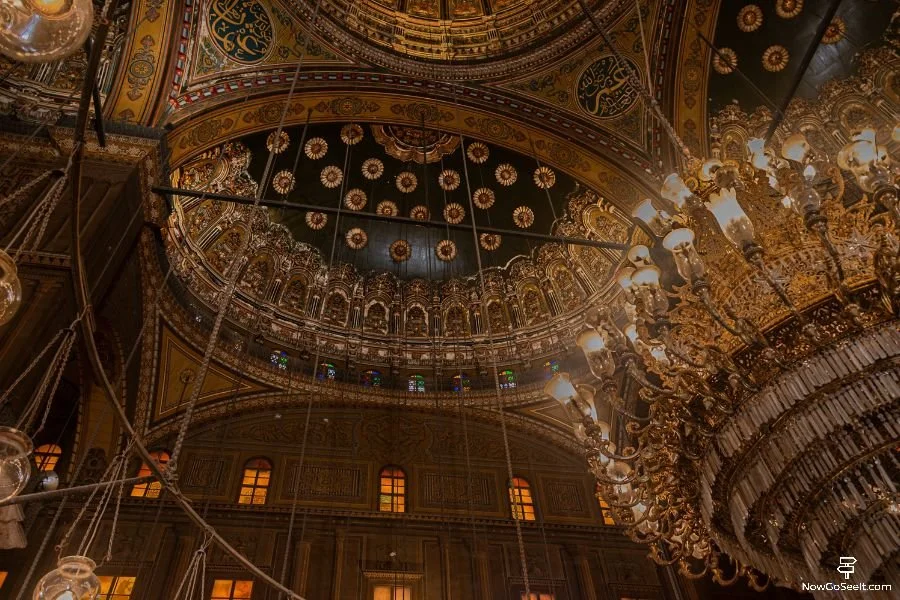
The Cairo Citadel and Mosque of Muhammad Ali for the city views and one of the most impressive mosque interiors of our trip.
Those are the places I would protect first when cutting down an itinerary. The rest of this guide explains what each stop was actually like, along with the places I would recommend only for travelers with a particular interest.
1. The Pyramids of Giza and the Great Sphinx
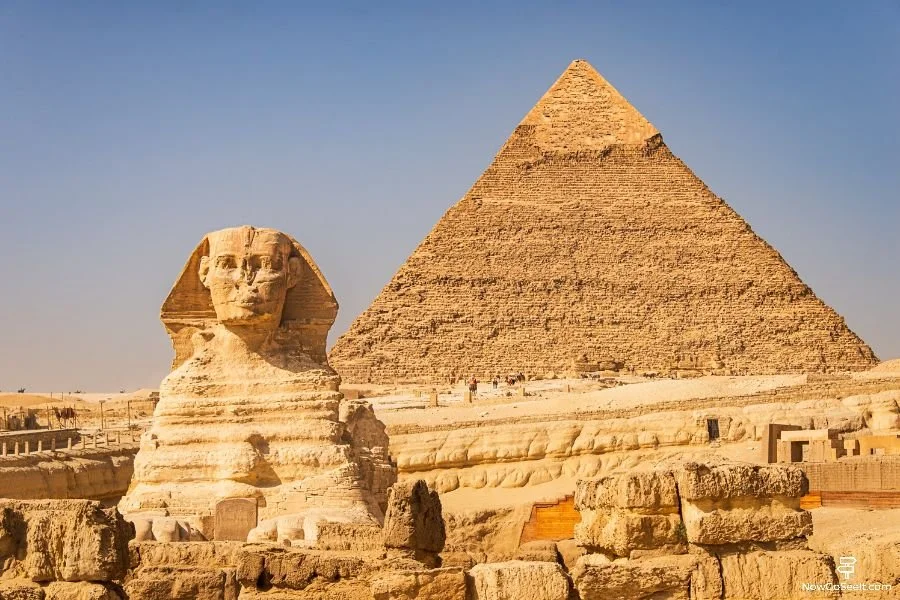
The Giza Plateau is an ancient funerary complex on the western side of Greater Cairo, centered on the pyramids of Khufu, Khafre, and Menkaure and the Great Sphinx. Smaller pyramids, tombs, and temple remains surround them. This is the essential first stop for understanding the scale of Egypt's Old Kingdom monuments and seeing the landmarks most closely associated with the country.
The Pyramids of Giza delivered exactly what I wanted from my first morning in Egypt. The site includes the pyramids of Khufu, Khafre, and Menkaure, the Great Sphinx, smaller pyramids, tombs, and the remains of temples. I had seen the same images for most of my life, but the scale only made sense once I was standing beside the blocks.
I booked an eight-hour private Giza and Grand Egyptian Museum tour through our partner, Viator.
Click here to view the exact tour we booked.
This tour was an incredible deal. It included a private car and driver for 8 hours. Additionally, I had a personal Egyptologist who guided me around the sites, gave loads of interesting context and history, and made the day flow easily and seamlessly. When I booked, the entire package was just US$80. A steal for the day.
The tour started at 7:30 a.m. and finished in the afternoon. Having a car and guide saved time because the plateau is larger than it appears in photographs, and the most useful viewpoints are not all next to each other.
I skipped the interiors of the Giza pyramids. Reviews made the cramped passages and mostly empty chambers sound less appealing than spending that time outside. A few days later I went inside the Red Pyramid at Dahshur, where the long crouched descent became one of the most memorable parts of the trip. If you only want to enter one pyramid, compare the available interiors before automatically adding the Great Pyramid ticket.
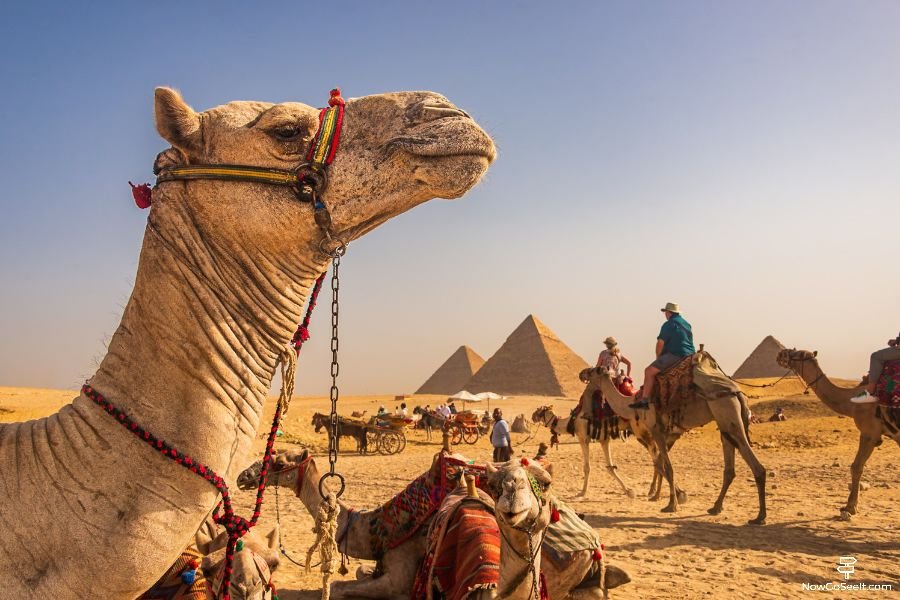
I did take a 30-minute camel ride. It cost US$25 plus a US$5 tip during my visit. The ride was touristy, but I liked it. We got a different view of the pyramids, and it produced some of my favorite photographs from the day. Agree on the length and full price before getting on. If you book a guide, ask them to arrange it for you, as the camel handlers don’t always give you the best price on first offer.
Tickets for the sites are available at the new visitor entrance center. Included buses take visitors between all the main sites.

Airline Miles and Hotel Points 101
We share tips and tricks for credit card points and miles. These tools help us save money on our trips around the world by allowing us to accumulate airline and hotel points.
2. The Grand Egyptian Museum
The Grand Egyptian Museum is a vast archaeological museum beside the Giza Plateau, with monumental statues, the complete Tutankhamun collection, the Grand Staircase, the main galleries, and the Khufu boats. It is worth visiting because it places many of ancient Egypt's most important objects together in a modern museum built to display them at a scale older museums could not. It opened in 2025 and is one of the grandest and most modern museums we have ever visited.
The Grand Egyptian Museum is the second stop I would consider essential. Since it’s so close to the main pyramids on the Giza Plateau, visiting the museum after the pyramids works well.
This was the second stop in the eight-hour private tour I booked on Viator. My guide showed me selected highlights first and then gave me time to look around alone. That combination worked. If you are visiting without a guide, decide which periods or collections matter most before you arrive.
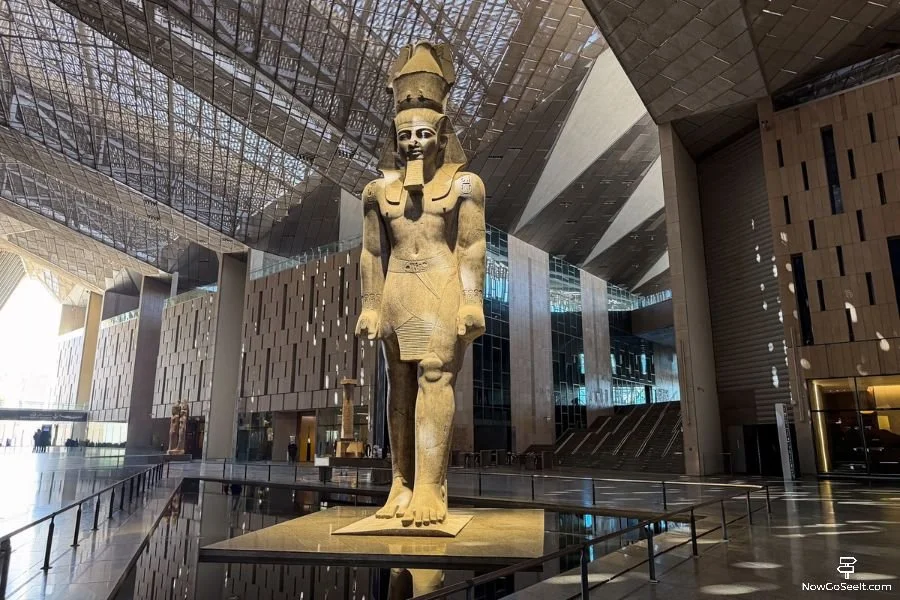
The first thing that made an impression was the scale of the Grand Hall and the colossal statue of Ramesses II. It sets the tone for the museum. Standing beneath the massive ancient statue immediately tells you that this place is going to be something special.
From there, the Grand Staircase rises past rows of large statues and architectural pieces. The staircase works because the objects are displayed where you can see them from several levels rather than lined up in another flat gallery. You can choose to walk amongst the pieces for a close-up look by taking the stairs, or for an overview you can ride the moving walkway past the vast collection.
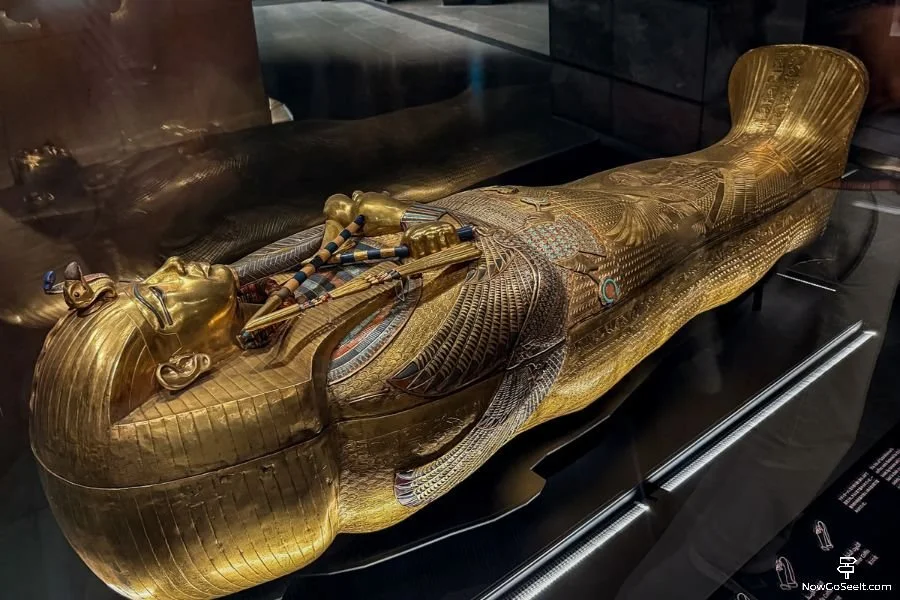
The Tutankhamun galleries were the clear highlight. If you’re not a ‘museum person,‘ or if time is tight, this is the must-see portion of the museum. Learning about the history of the tomb and the astonishing story of finding the completely intact tomb makes seeing the complete collection a truly once-in-a-lifetime moment.
The Khufu boats were also worth seeing, especially if you noticed the vast holes left from their excavation site at the Giza pyramids. However, during my visit, parts of that presentation still felt unfinished. The boats are in a separate building, so it’s easy to miss.

After the Tutankhamun exhibit, the main galleries can become overwhelming. There are so many objects that another statue or case can start to blur into the one before it. Once that starts to happen, it’s best to call it a day.
Allow at least three hours. Give it longer if museums are a major part of why you are visiting Egypt. Note that people refer to this museum with the acronym GEM.

3. Saqqara and Dahshur
Saqqara and Dahshur are major pyramid fields south of Giza where you can follow the development of pyramid building across several experiments and generations. The Step Pyramid of Djoser, Bent Pyramid, and Red Pyramid show the transition from stacked levels to the familiar smooth-sided form. They are worth visiting together because the sequence makes the history easier to understand than seeing another isolated pyramid.
Much of the site is located on a former Egyptian military base; access to these pyramids hasn’t been an option for most visitors. A recent restoration of the Step Pyramid also allows for interior access to the pyramid. It has been closed on and off since the 1900s. We are extremely fortunate to have access to this area for tours.
The pyramids at Giza were expected. We knew we would be impressed. Saqqara and Dahshur were the surprise. Seeing these pyramid fields after Giza helped us understand that the familiar smooth-sided pyramid was the result of a long process rather than an idea that appeared fully formed.
We booked a half-day tour on Viator that included a private driver for up to six hours. We visited numerous tombs, pyramids, and museums. We finished the day with a stop in Memphis. Shockingly, this only cost me US$15! You’d be crazy not to book a driver.
See the tour we used on Viator.
If I had it to do over, I would select the option to add on a tour guide (an Egyptologist) for more context. There were not many signs or explanations around the site. If you visit Saqqara with only a driver, do some research first and decide which tombs, museums, and pyramid interiors you want to ask about. Our inexpensive driver-only tour handled transportation well, but it left us trying to identify and understand some of what we were seeing on our own.

At Saqqara, the Step Pyramid of Djoser rises in six distinct levels. It is Egypt’s earliest pyramid and looks completely different from the Giza group. We stayed above ground at Djoser’s complex, then visited the Imhotep Museum before continuing south.
Dahshur made the progression even clearer. The Bent Pyramid changes angle partway up, while the later Red Pyramid has a straight slope from bottom to top. We stayed outside the Bent Pyramid and saved the underground experience for the Red Pyramid.
Getting inside the Red Pyramid meant climbing up to the entrance and then making a long, steep descent through a passage roughly one meter high and one meter wide. I spent a lot of it bent forward, watching my feet and trying not to hit my head. Reaching the chambers and finally standing upright felt like an accomplishment. The rooms are mostly empty, so the physical trip into the pyramid is the attraction. It’s wild to be able to say that we’ve been inside an Egyptian pyramid!
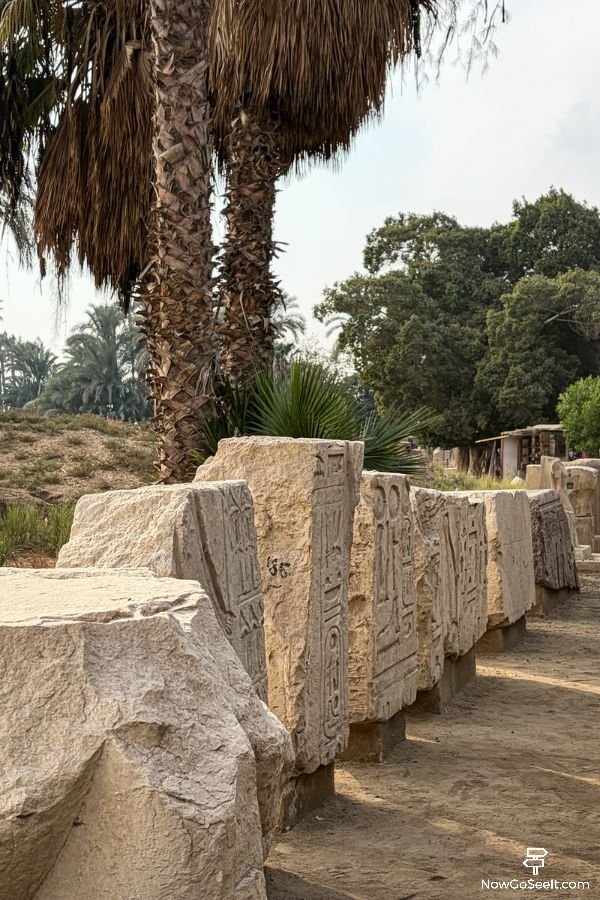
Our half-day outing continued to the Memphis Open-Air Museum, where the reclining colossus of Ramesses II fills its own covered hall and the Alabaster Sphinx sits outside. It was a good final stop, but Saqqara was the place that needed more time.
Read my complete account of the route, tickets, and Red Pyramid descent in Saqqara, Dahshur and Memphis Day Trip From Cairo.

Check out our other posts about things to see and do in Cairo or Egypt!
Or visit our Destinations page to be inspired.
4. Bab Zuweila
Bab Zuweila is a surviving Fatimid gate at the southern end of Cairo's medieval walled city. The structure once controlled one of the main entrances into the city and now gives visitors access above the surrounding streets. It is worth visiting for the climb and the broad view over the roofs, domes, and minarets of Historic Cairo.
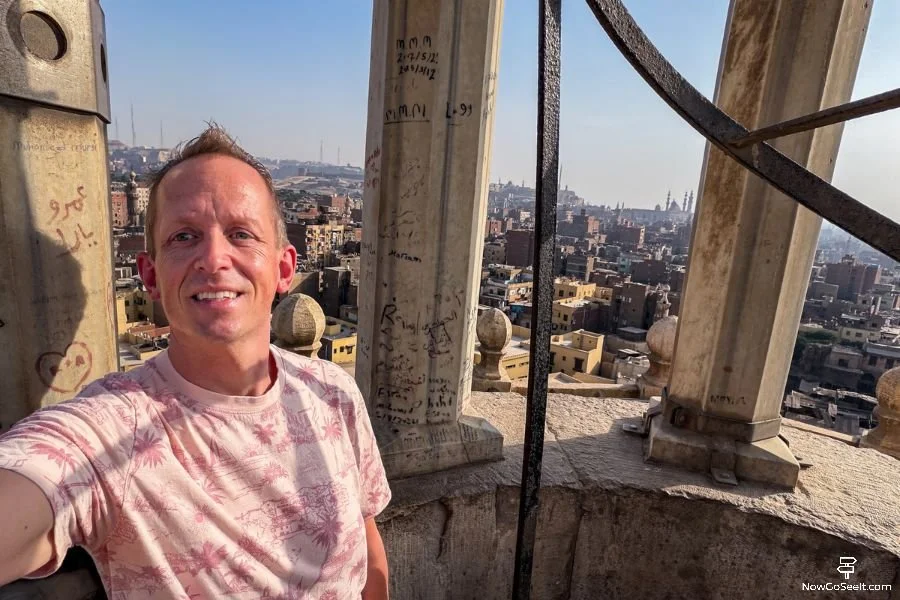
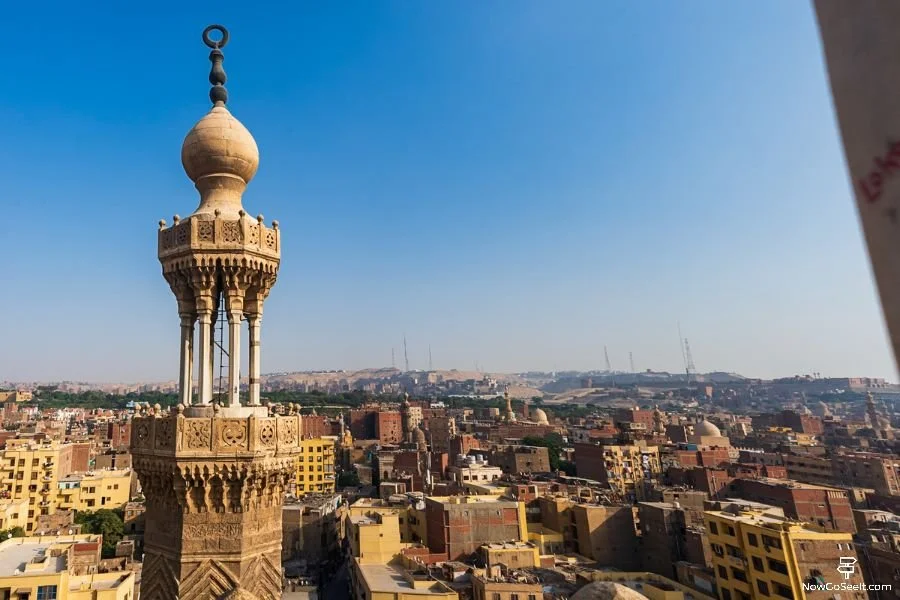
Bab Zuweila gave me the best city view of the trip. From the street, it is easy to treat the gate as another historic structure you photograph before continuing toward Al-Muizz Street. The reason to stop is the climb.
I’m not even a little afraid of heights, but this climb made me a little nervous. The route up is steep, dark, enclosed, and occasionally confusing. Near the top, the exposure to the height becomes much more obvious. Anyone who struggles with tight spaces, darkness, or heights should take that seriously. I had the upper level to myself, and the view was worth every step.
From above, the dense buildings of Historic Cairo stretch toward domes and minarets in every direction. This was the moment when the size and layers of the city made the most sense to me. The Pyramids of Giza are the view everyone expects from Cairo. Bab Zuweila was the view I did not know I needed.
The gate dates to the Fatimid period and stands beside the Mosque of al-Mu’ayyad Shaykh. Admission is just 100 EGP (less than US$2), so it’s well worth it.
5. Manial Palace Museum
Manial Palace Museum is an early-20th-century royal residence built for Prince Muhammad Ali Tawfik on Rawda Island. Its reception halls, residence rooms, throne hall, mosque, gardens, and collections combine several Islamic architectural and decorative traditions. It is worth visiting for the interiors, where tile, carved wood, painted ceilings, and patterned walls cover nearly every room.
Manial Palace was one of the strongest places I visited after the major ancient sites. Strangely, it’s rarely mentioned on the lists of things to see in the city.
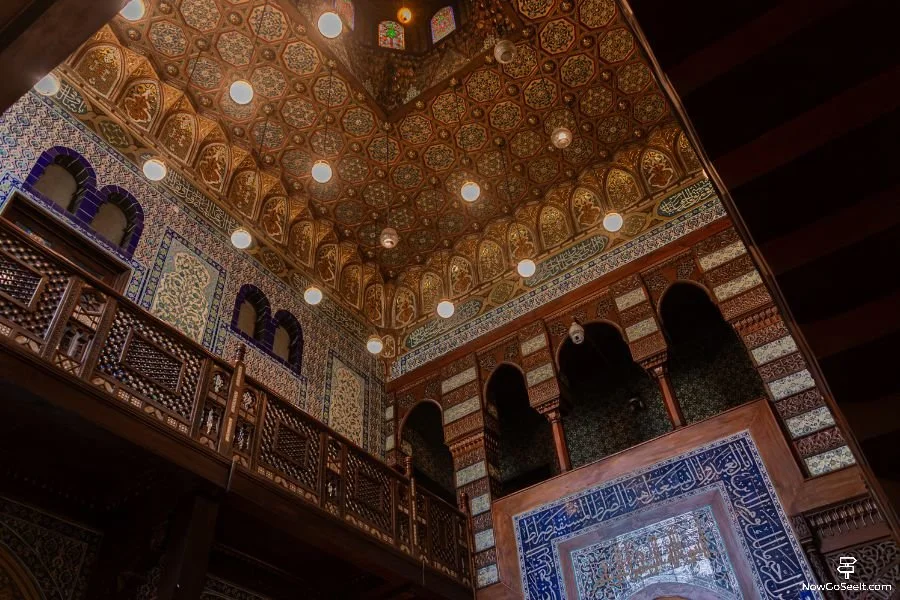
The main palace is an impressive multi-story home with carved wood and tiled interiors. It is stunningly beautiful inside and small enough to pass through without being overwhelmed. The reception and residence rooms are more intimate, so you can get closer to the tilework and carved details.
The adjacent Throne Hall building is also worth checking out. It is a long ceremonial space that leads your eye directly to the throne. Upstairs are some smaller meeting rooms that are largely skippable if pressed for time.
Also on the grounds are a mosque and clock tower, an outdoor cafe, and a large garden. The garden was not accessible during my visit, and there were signs around saying that the “garden is not part of the visit.” I couldn’t figure out if there was a private event causing a temporary closure, or if it’s completely off limits at all times. Don’t count on seeing the gardens if you add this to your itinerary.
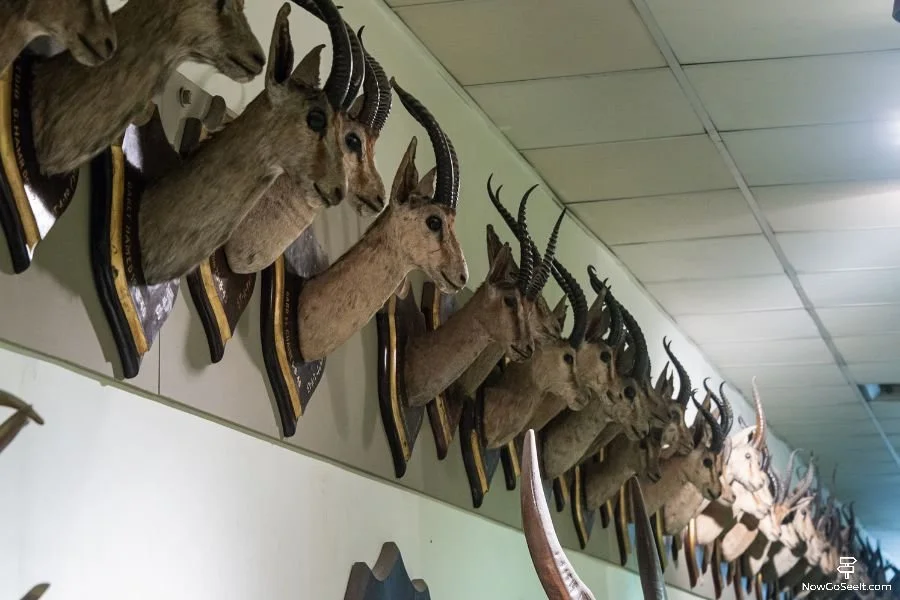
Also included in admission is the Hunting Museum. It’s a strange little museum that is probably not for everyone. It is filled with taxidermy, animal heads, skins, and other hunting material. I found it interesting and creepy in about equal measure. If that sounds miserable, skip the museum rather than the whole palace.
A visit to the palace fits well into a day that includes the Rawda Island Nilometer and shopping in Zamalek. More on that below.

We’re on YouTube!
The same great content without all the pesky reading!
6. The Cairo Citadel and Mosque of Muhammad Ali
The Cairo Citadel is a fortified hilltop complex containing mosques, palaces, museums, defensive structures, and viewpoints over the city. Its best-known building is the 19th-century Mosque of Muhammad Ali, with a large central dome and tall Ottoman-style minarets. The Citadel is worth visiting for both the mosque interior and the chance to see several periods of Cairo's history in one large site.
The complex contained enough buildings and museums to take much longer than I expected. The Mosque of Muhammad Ali's hanging lights, broad interior, and central dome were more dramatic than the smaller religious buildings I visited elsewhere in Cairo.
I also went into the Mosque of Sultan al-Nasir Muhammad. It was less crowded and felt more connected to the older Citadel around it. If you are already inside the complex, do not leave after seeing only the larger mosque.
The National Military Museum was my least favorite part. The historic building was appealing, and the aircraft, tanks, missiles, and statues outside were interesting. Inside, the exhibits felt dated, and the museum became a maze. By the end, I was mainly trying to find the exit. I would skip it unless Egyptian military history is a specific interest.
There’s also a Police Museum that I didn’t visit nearby.
The Citadel itself can be confusing. A guide would have helped me understand the layout and decide which buildings deserved my time.

7. The Royal Mummies at NMEC
The National Museum of Egyptian Civilization in Fustat presents Egyptian history across a much longer timeline than a museum devoted only to pharaohs. Its main draw is the lower Royal Mummies Gallery, where 20 ancient Egyptian rulers are displayed in a controlled setting. It is worth visiting if seeing the royal mummies is a priority, because there is no comparable gallery at the Grand Egyptian Museum.
Seeing that many rulers in one place was impressive and a little unsettling. The quiet, dark presentation made the gallery feel completely different from the large, object-filled rooms at GEM.
The upstairs museum covers Egyptian civilization across a much wider period. It would have made a stronger impression if I had visited before the Grand Egyptian Museum. After GEM, the collection felt smaller and the displays less effective. That does not make it a bad museum, but GEM is so spectacular it made this museum seem like the older version.
If seeing the royal mummies is high on your list, go. There is nothing comparable at GEM. If you have only two or three days and are already spending several hours at GEM, NMEC is one of the places I would consider cutting.


8. Coptic Cairo
Coptic Cairo is a compact historic district in Old Cairo built around the remains of the Roman-era Babylon Fortress. Its churches, monastery, synagogue, museum, and archaeological remains trace the development of Christian and Jewish communities in the city. It is worth visiting for that layered history and for the ability to see several important sites within a relatively small area. UNESCO includes the churches and older city layers of this area within Historic Cairo.
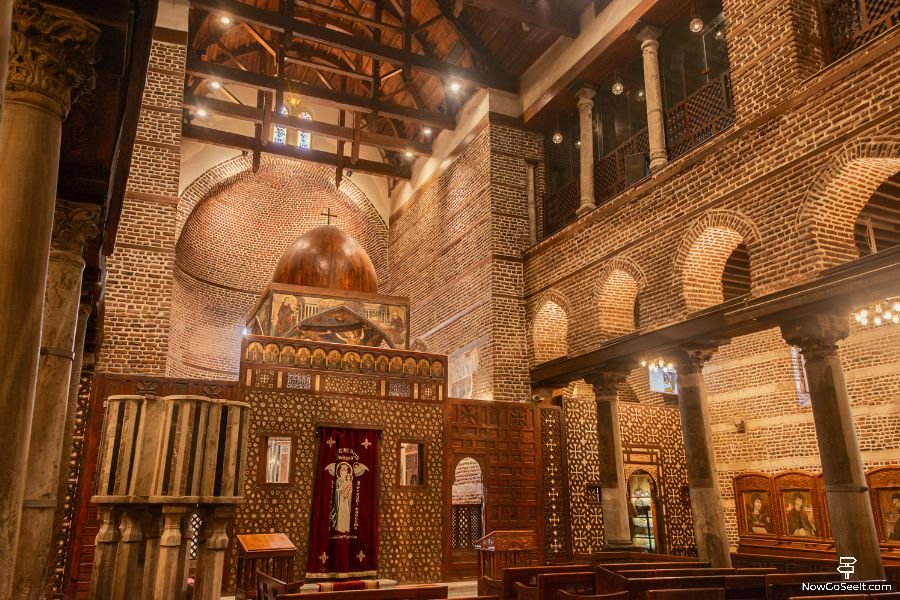
The area was not one of my visual highlights, but I visited the Church of Saints Sergius and Bacchus and its crypt, Ben Ezra Synagogue, the Nunnery and Church of Saint George, the remains of the Babylon Fortress, and the Hanging Church.
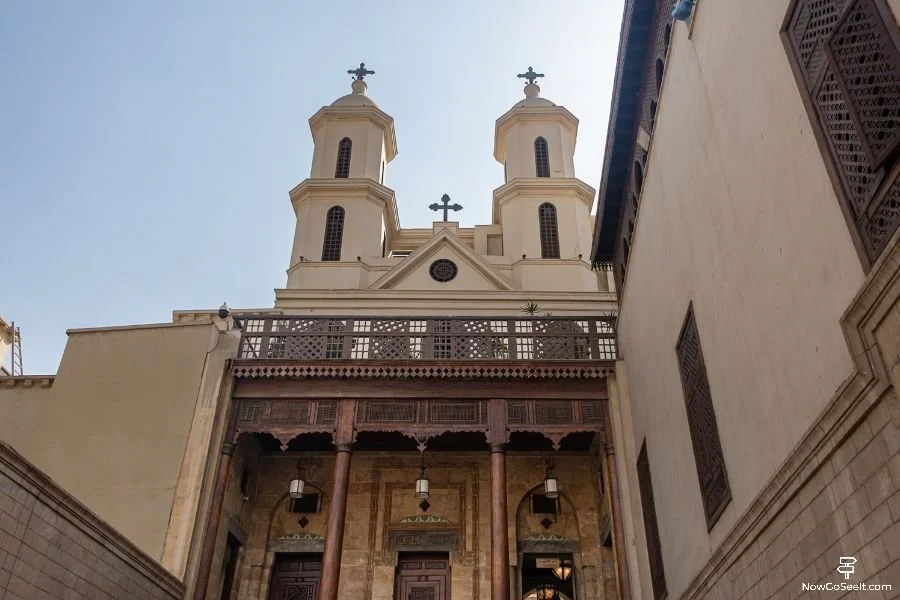
The painted dome and mosaics at Saint George were attractive, and the woodwork inside the Hanging Church was worth examining. But, to be honest, the interiors were smaller and plainer than I expected.
This is one of the top sites in Cairo. It’s almost a guarantee that you’ll see multiple tour buses parked outside the walls and groups following flag-carrying guides. To be honest, I didn’t get the hype.
Travelers with a strong interest in early Christianity, Judaism in Cairo, or the development of the city will get more out of the area than I did.
9. Al-Muizz Street and Khan el-Khalili
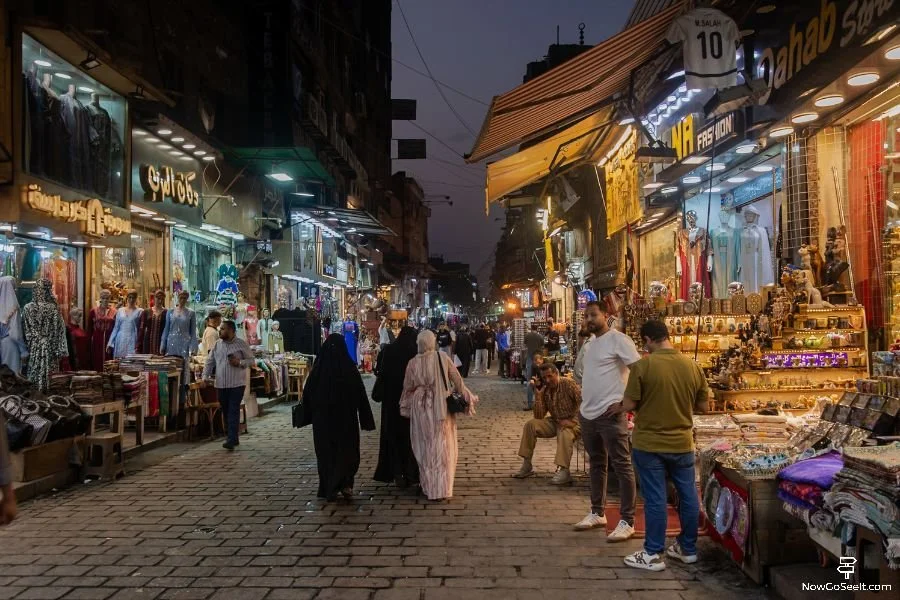
Al-Muizz Street is one of the main historic streets through medieval Cairo, lined with mosques, houses, schools, and sabil-kuttabs from several architectural periods. Nearby, Khan el-Khalili is the city's best-known bazaar district. The area is worth visiting for the concentration of historic buildings and the evening streetscape, even if the market is not where you ultimately choose to shop.
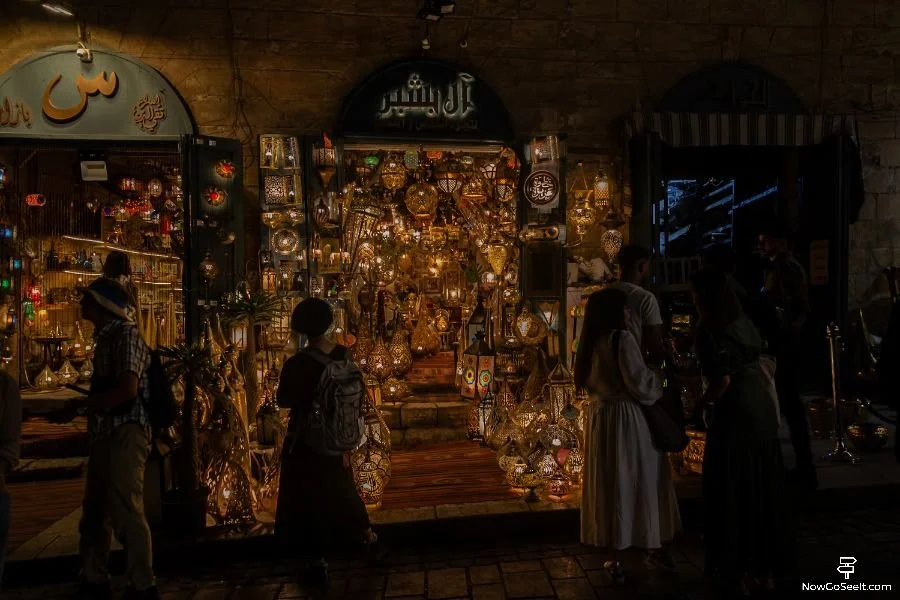
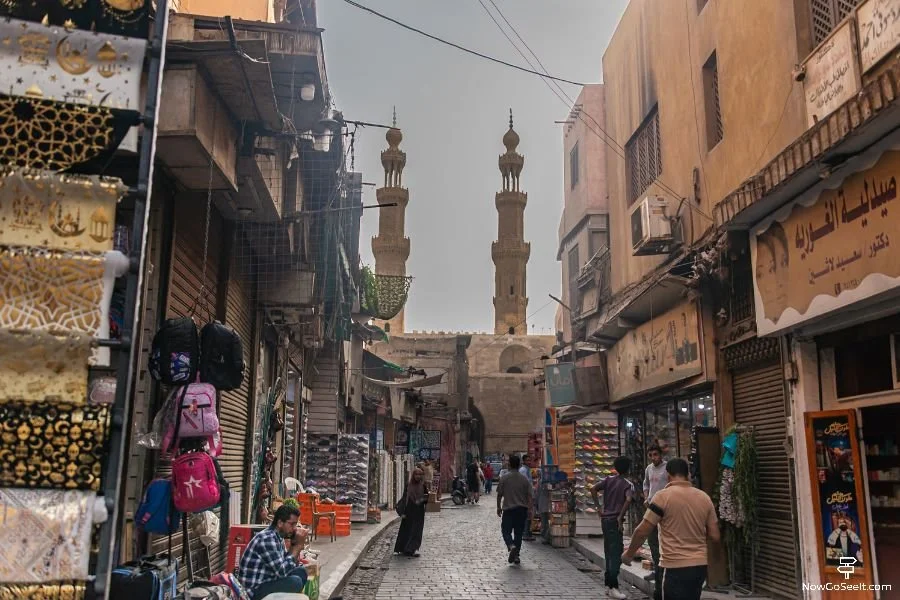
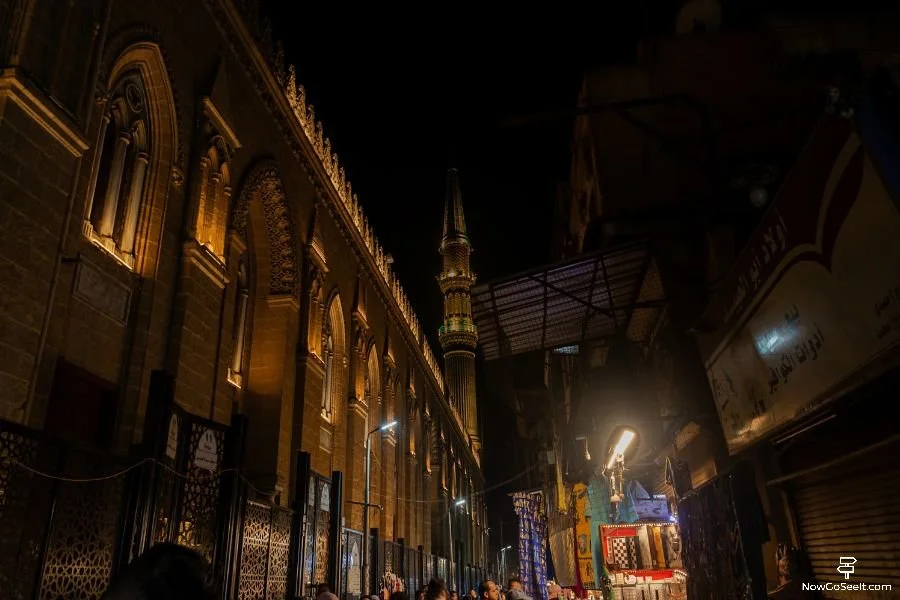
Al-Muizz Street and Khan el-Khalili are usually presented together, but I came away with two different opinions. Al-Muizz was worth seeing for the architecture, lit shopfronts, and streetscape. Khan el-Khalili was worth seeing for its energy and iconic history.
It isn’t the place I would most recommend for shopping. We encountered repetitive tourist merchandise and nearly constant sales pressure. Shop after shop claimed to be the one and only place selling authentic Egyptian goods. If you like to casually browse without sales pressure, you will not do well here. Usually, a firm “No” does the trick, but even then, some merchants were persistent.
I am glad I saw the market once, especially as part of an evening around Al-Muizz. I would not return to do my souvenir shopping there. The lantern shops and the setting were more interesting than most of the merchandise.
10. Shopping in Zamalek
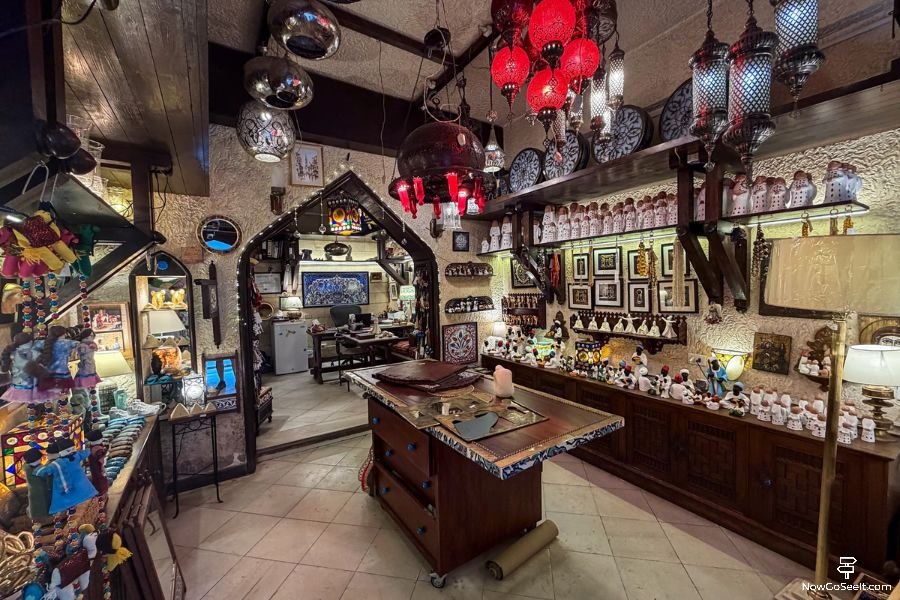
Zamalek is a central Cairo neighborhood on Gezira Island known for galleries, independent boutiques, record shops, restaurants, and specialty stores. It is worth visiting for more selective shopping than the tourist markets, especially if you want Egyptian art, home goods, small gifts, or contemporary design rather than rows of similar souvenirs.
This was where I found the Egyptian-made things I actually wanted to bring home. I started at Mamlouk Gallery and bought a small Egyptian statue (similar to what I saw at Khan el-Khalili but for one-tenth of the price and no haggling). At Loft Gallery, I found six tiles that I plan to hang on a wall at home. Loft Gallery was the best place to shop in Cairo for unique gifts, and honestly might be one of my favorite shops anywhere we have visited.
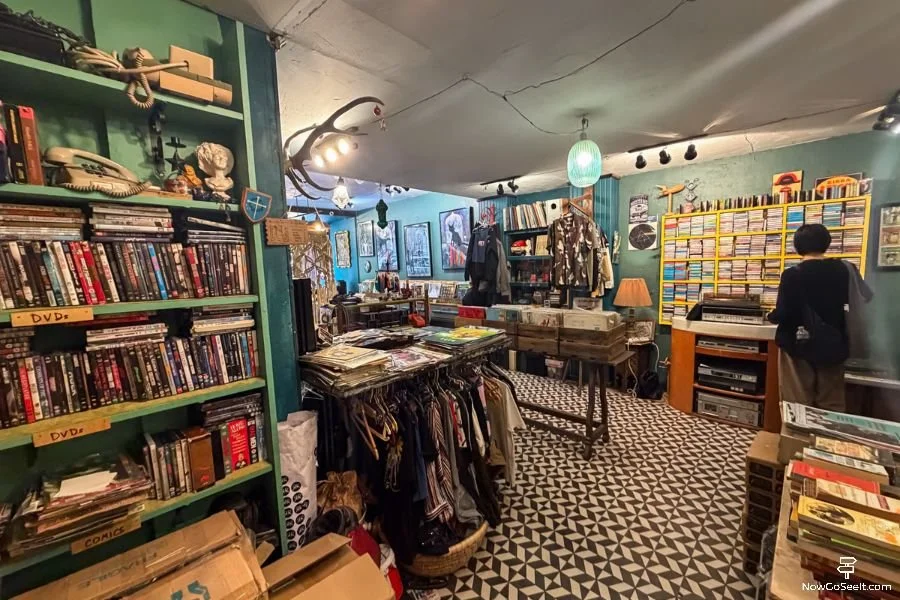
Retrograde Records was worth looking through even though I did not buy anything. It’s a cool record shop with vintage goods and unparalleled cool vibes.
The shops felt individual rather than interchangeable. That made the afternoon much more enjoyable than Khan el-Khalili. The tradeoff is that opening hours can be unpredictable, especially on Fridays and Saturdays. Several shops were closed. Try to visit on an Egyptian weekday, not the weekend, for the best chance that all stores will be open.
Zamalek is not where I would go for a traditional bazaar scene. I would go for design shops, art, records, home goods, and gifts that do not look like the same item sold from twenty nearby stalls.

11. Ski Egypt and Mall of Egypt
Ski Egypt is an indoor snow park and ski slope inside Mall of Egypt, with skiing, sledding, snow activities, and separately ticketed penguin encounters. It is worth visiting when you want a break from archaeological sites or need an evening activity that is completely different from anything else on a Cairo itinerary.
We skipped skiing and used the sleds and large inflatable balls on the hill. Our package included boots, a jacket, snow pants, gloves, and socks. I needed all of it. The cold felt intense after coming in from Cairo.
We also booked the penguin encounter. Personal photography and video were prohibited during our visit, so the staff handled the pictures, and we bought their image package afterward.
Outside of the indoor ski hill, Mall of Egypt was the strongest all-around mall we visited because there was enough shopping, food, and entertainment to fill an evening.

12. The Rawda Island Nilometer
The Rawda Island Nilometer is a ninth-century structure built to measure the Nile's flood level. Its readings helped officials prepare canals and dikes, estimate agricultural production, and set taxes. It is worth visiting because it explains how the river shaped everyday administration and survival in Egypt, not just the monuments built beside it.
I walked down to view into the measuring chamber and looked into the deep central shaft. Visitors could not descend all the way to the bottom during my visit. The structure is old. It dates all the way back to 861! The measuring column and carved marks make the purpose easy to understand once you are inside.
The nearby Manasterly Palace was closed and appeared to be under refurbishment. The riverside park was somewhat run-down, although the broad Nile view was useful for photographs. I would not cross Cairo only for the Nilometer, but it made sense before Manial Palace and Zamalek.
13. A Walk Along the Nile
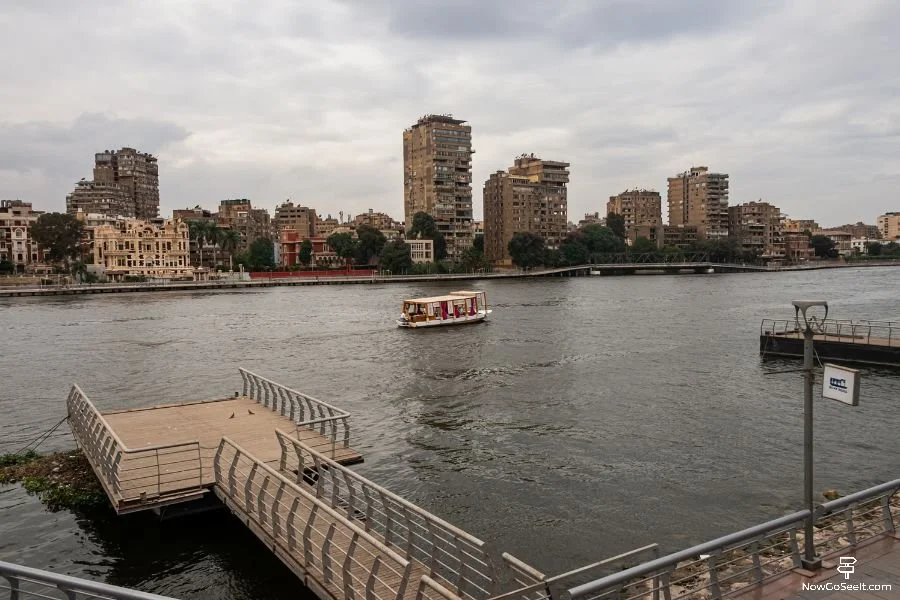
The People of Egypt Walkway and Mamsha Ahl Masr are developed sections of Cairo's Nile riverfront with pedestrian paths, seating, cafes, and direct views across the water. Spending time along the river is worthwhile because many Cairo itineraries cross the Nile repeatedly without ever giving you much time to actually see it outside a vehicle. Many Cairo hotels are located in this area. If you book a central Cairo hotel, you’ll likely be very close to one of these walkways.
I wanted at least one part of the trip where the Nile was not something I saw through a car window. On our final day, I walked along the riverfront from the People of Egypt Walkway toward Mamsha Ahl Masr and stopped for Turkish coffee at Hala Restaurant.
The route gave me more time to look at the river than the organized cruise we took later. You are still in central Cairo, with traffic and development close by, but you can choose your own pace and stop when you find a view or café you like.
There is a small fee to enter the walkway, and for some reason, they don’t allow photography with any camera other than one built into your phone.
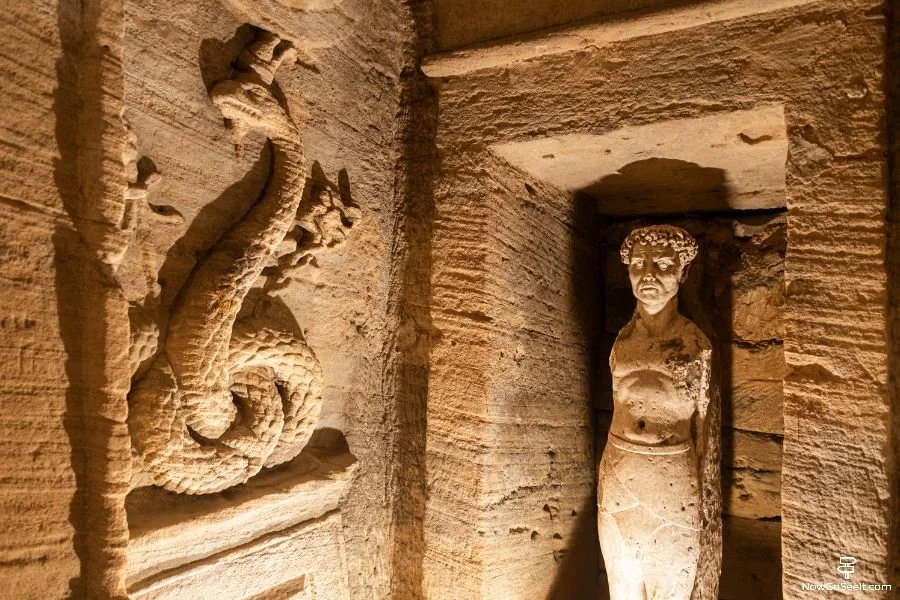
Best Day Trip From Cairo: Alexandria
Alexandria is a Mediterranean port city where ancient Egyptian, Greek, Roman, and modern history overlap. Its catacombs, Roman ruins, coastal fortress, and modern library make it the best Cairo day trip for travelers who want a major change from pyramids, mosques, and inland city views.
It was the strongest day trip I took from Cairo. I spent the day with a private driver who made the visit seamless. Check out what I booked on Viator.
The Catacombs of Kom el Shoqafa and Qaitbay Citadel made the drive worthwhile. The catacombs were much larger than I expected, with reliefs and architecture combining Egyptian, Greek, and Roman elements. Qaitbay stands at the site associated with the ancient Lighthouse of Alexandria and gave us the best views of the day.
The Roman Theatre and Villa of the Birds were interesting, but not essential if you have already spent time in Rome or Pompeii. Bibliotheca Alexandrina was impressive as a modern building, although the tourist experience was limited because it is a working library.
If seeing Alexandria is on your list, it’s easy to do in a day from Cairo.
What We Would Skip in Cairo
These are not places that every traveler should avoid. They were the stops that gave us the least return for the time they required, or that worked only for a much narrower interest than their advertising suggested.
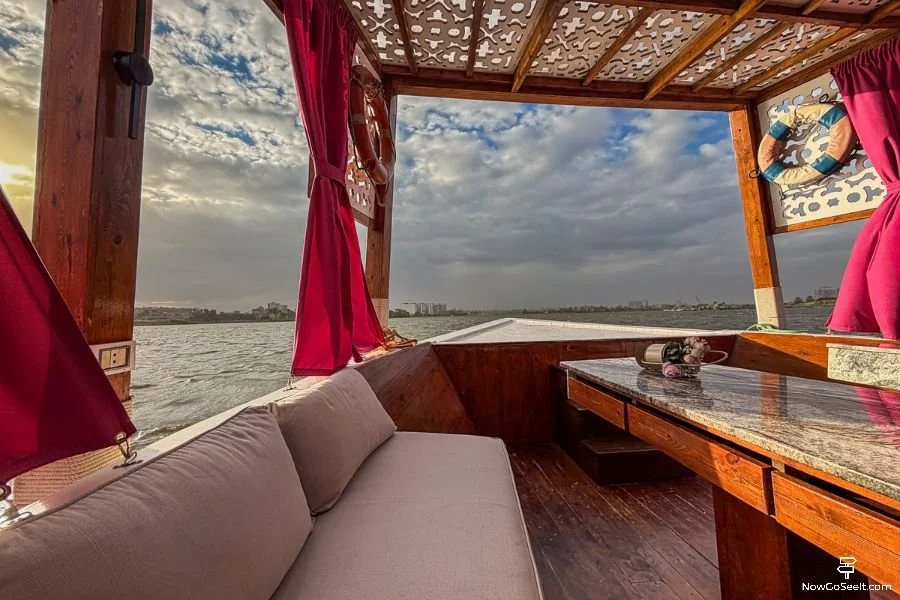
The Nile Cruise We Booked
Cairo Nile cruises combine time on the river with sightseeing, food, entertainment, or some combination of the three. They appeal because the Nile is central to Cairo's identity, yet many visitors otherwise see it only from bridges and car windows. A good cruise can be worthwhile, but the exact boat, route, commentary, and meal matter far more than a generic promise of lunch on the Nile.
I would not repeat our particular lunch cruise. There was no welcome, route explanation, or commentary. Staff loaded shrink-wrapped food that was close to room temperature, the boat pulled away, and loud pop music played through a Bluetooth speaker for much of the trip.
The cruise cost US$45 per person and lasted about two and a half hours. I would have preferred to know what we were passing with a little commentary and hear the sounds of the river. Instead, we literally got The Macarena at full volume.
Upon entry, we were fleeced for an additional US$5 to be able to use our own cameras for pictures during the tour. We were told we couldn’t even bring our cameras on board if we didn’t pay.
If you book a Cairo Nile cruise, look for recent reviews that specifically discuss the commentary, food handling, exact boarding point, photography policy, and type of boat. This was the biggest fail of our week in Cairo.
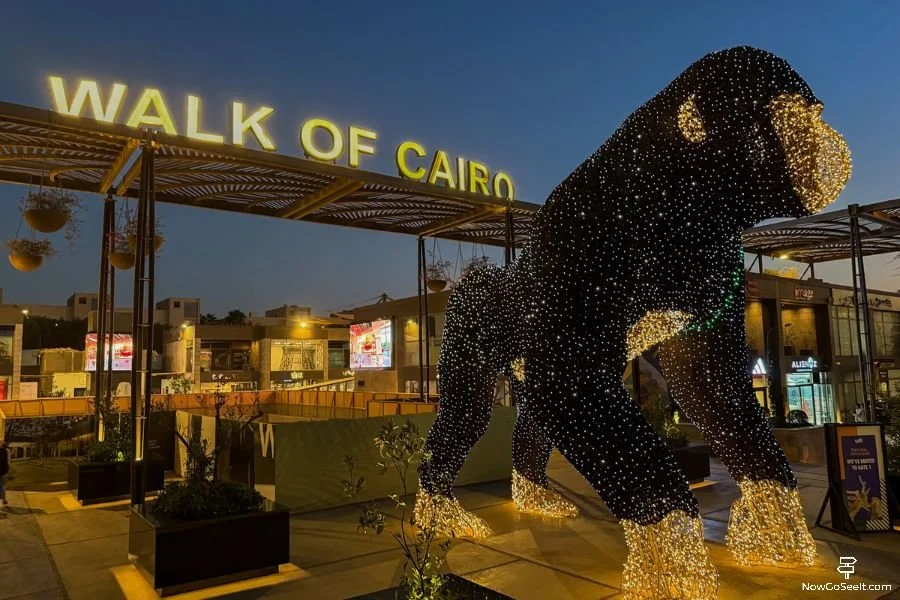
Walk of Cairo
Walk of Cairo is an open-air dining, shopping, and family-entertainment development in Cairo West. It can make sense for a specific restaurant, furniture showroom, children's activity, or the parrot experience, especially if you are staying nearby. It is not a major sightseeing destination on its own, so the visit depends heavily on the particular business or attraction you came to use.
We went planning to spend a night out with dinner, shopping, and some extra fun like the parrot attraction. That experience was closed, along with many of the shops. We did a full lap of the complex, then decided to go elsewhere.
The child-focused attractions like the trampoline park, play area, and petting zoo were closed when we arrived, but looked promising for families who might be looking for daytime activities.
I would go only for a specific restaurant, shop, or children’s activity after confirming it was open. For a general evening out, Mall of Egypt or Arkan Plaza worked much better for us.
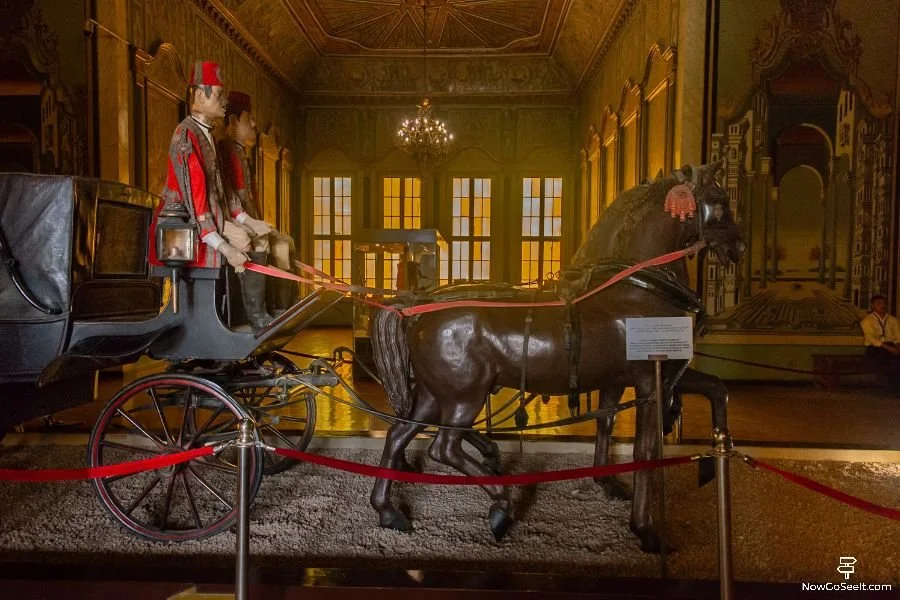
The National Military Museum
The National Military Museum is a large museum within the Cairo Citadel covering Egyptian military history through weapons, uniforms, documents, models, vehicles, aircraft, and other equipment. It is worth considering for travelers with a serious interest in military history or anyone who wants to explore every major part of the Citadel, but it requires more time and patience than the exterior displays suggest.
The outdoor aircraft and equipment were more interesting to me than the museum galleries. The interior was huge, dated, and difficult to navigate. Unless military history is one of your main interests, use the time for another mosque, the Citadel views, or Bab Zuweila.
Khan el-Khalili for Serious Shopping
Khan el-Khalili is Cairo's best-known bazaar district, with narrow lanes of souvenir stalls, jewelry shops, lantern stores, spice sellers, and cafes. It is worth seeing for the historic market setting and as part of an evening around Al-Muizz Street. The problem is treating its fame as proof that it is automatically the best place to buy Egyptian-made gifts.
I would not return for serious souvenir shopping. Zamalek and Arkan Plaza gave me better shopping, less pressure, and more things I wanted to own.
How Many Days Do You Need in Cairo?
Three full days are enough for the main places to see in Cairo if you plan the geography carefully. I would use one day for Giza and the Grand Egyptian Museum, one for Saqqara, Dahshur, and Memphis, and one for the Citadel, Bab Zuweila, Khan el-Khalili, and one additional stop such as Manial Palace.
Five days gives you room for NMEC, Coptic Cairo, Zamalek, a Nile riverfront walk, and an evening at Mall of Egypt or Arkan Plaza. It also gives you some protection against traffic delays. Add another full day if you want to go to Alexandria or take a desert trip.
I would not schedule attractions based only on the distance shown on a map. Cairo traffic can turn a short-looking transfer into a major part of the day. Group Giza, GEM, and the western malls together. Put the Citadel, Bab Zuweila, and Al-Muizz on another day. Use Rawda Island, Manial Palace, and Zamalek as a third cluster.
Getting Around Cairo
I used Uber for many trips and usually found it inexpensive and easy to book. The traffic was the hardest part. Drivers merged aggressively, pedestrians crossed through moving traffic, and motorcycles moved between cars.
On day two, one of my Uber drivers struck a motorcyclist. Thankfully, both vehicles appeared to have only scratches, and the motorcyclist was unharmed by the collision. It was a stressful and scary few minutes of my trip.
Working rear seatbelts were also not guaranteed. Check before the car begins moving and request another ride if you are not comfortable. When travelling alone, I found that riding in the passenger seat was the best way to get a working seatbelt, but that only works when you’re a party of one.
The vehicles used for my prebooked tours on Viator consistently had working belts and felt like a better choice for the long drives to Giza, Saqqara, and Alexandria. The booked drivers also seemed to have a better temperament for easing nervous tourists’ fears than the Uber drivers of Cairo.
Hiring a private driver for the day is extremely affordable and the best way to see the city. For short hops, book an Uber and close your eyes if you need to.
Where to Stay for Cairo Sightseeing
We stayed at Hyatt Centric Cairo West. I would stay there again. The location worked especially well for Giza, GEM, Mall of Egypt, Mall of Arabia, Walk of Cairo, and Arkan Plaza. Returning to a controlled hotel environment after a long day also worked for me.
The disadvantage was the drive into central and Historic Cairo. If most of your plans involve the Citadel, downtown, Coptic Cairo, Zamalek, and the Nile, compare the hotel with a more central base.
Check for Cairo hotel deals on our partner, Expedia.
There is no location that eliminates Cairo traffic. Choose the side of the city that matches the majority of your highest-priority days.
Practical Cairo Travel Tips
Carry a payment card and some small cash. Cards were accepted more broadly than I expected, and several museum admissions required them. Cash was still useful for tips, the camel ride, and small informal payments. Most places accepted US Dollars, Euros, and local currency.
Decide which help you want before someone offers it. At heavily visited sites, people may give directions, suggest a photograph, hand you a towel in the toilets, or lead you somewhere and then expect you to pay them. At major tourist sites, assume that unsolicited help may end with a request for payment.
Book an Egyptologist or Research large archaeological sites in advance. Saqqara in particular has separate areas, tickets, tombs, and museums without enough explanation on the ground. If you’re going without a guide, the sites can be confusing.
Leave room for traffic. Do not put a timed booking immediately after a cross-city transfer. Traffic in Cairo is crazy.
Frequently Asked Questions About Things to See in Cairo
What should I not miss in Cairo?
For a first trip, I would not miss the Pyramids of Giza and the Great Sphinx, the Grand Egyptian Museum, and a second pyramid day at Saqqara and Dahshur. Inside the city, Bab Zuweila, Manial Palace, and the Cairo Citadel were my strongest stops.
Are the Pyramids of Giza in Cairo?
The pyramids are in Giza, on the western side of the greater Cairo area. They are commonly included in Cairo itineraries and are reachable by car from central Cairo, although traffic can make the trip longer than the distance suggests.
Can you visit the Pyramids of Giza and the Grand Egyptian Museum in one day?
Yes. That is how I visited them, and their locations make the pairing practical. Start early, use a driver or tour, and protect at least three hours for GEM. Travelers who want to enter several pyramids or examine the museum in detail should split them across two days.
Is three days enough in Cairo?
Three days can cover Giza and GEM, Saqqara and Dahshur, and one day in central or Historic Cairo. It is enough for the essentials but not enough for every museum, market, palace, and day trip.
Do you need a guide in Cairo?
You can visit many Cairo attractions independently, but a knowledgeable guide adds the most at Giza, GEM, Saqqara, and the Citadel. Guides and drivers are extremely affordable and add a lot to your itinerary. Confirm that the booking includes an Egyptologist or licensed guide rather than only a driver or recorded audio.
Is Cairo worth visiting beyond the pyramids?
Yes. Bab Zuweila and Manial Palace were two of my favorite places, and neither was the reason I originally booked the trip. Cairo rewards selective planning. The answer is not to visit every famous stop. It is to choose the ancient sites, views, museums, and neighborhoods that match what you actually enjoy.
Our Final Cairo Verdict
The best parts of Cairo justify the trip. Standing beside the Great Pyramid, seeing Tutankhamun’s objects together at GEM, descending into the Red Pyramid, looking across Historic Cairo from Bab Zuweila, and walking through Manial Palace were the experiences I would return for.
That being said, Cairo was not an easy city to visit. Traffic took time, working seatbelts were not guaranteed, and the pressure for tips or sales at some tourist sites became exhausting. A few famous attractions did not live up to the time they required.
My biggest planning change would be to spend less time collecting famous names and more time on the places that delivered. Start with Giza and GEM. Add Saqqara and Dahshur even if you have never heard as much about them. Then choose Bab Zuweila, Manial Palace, and the Citadel before filling the remaining days with museums, markets, shopping, or a day trip that fits your interests.