Paris in Four Days: Paris Itinerary For Your First Visit
Now Go See It is reader-supported. When you buy through links on our site, we may earn an affiliate commission.
Create your perfect Paris itinerary with our 4 day guide, including top sights, a Palace of Versailles day trip, kid-friendly spots, and must-see Paris highlights.
4 Day Paris: (Jump To)
Climb the Eiffel Tower
Shop on Rue Cler
Visit the Rodin Museum
See the Arc de Triomphe
Take a Le Seine Night River Cruise
See the Stained Glass of Sainte-Chapelle
Visit the Notre-Dame Cathedral (Update 2025: Now Open Post Fire!)
Lunch in Luxembourg Gardens
Tour the Catacombs of Paris
Climb the only skyscraper in Paris
Day trip to the Palace of Versailles
See Masterpieces at the Louvre
See Montmartre
How Many Days Do You Need in Paris?
Planning a 4 day Paris itinerary hits the big sights without rushing and still leaves room for cafés, parks, and a quick day trip. If you’re deciding how many days in Paris for a first visit, four full days is the sweet spot.
Three to four full days is a good starting point for a first trip to Paris. With four days, you can hit the major landmarks, visit a museum or two, squeeze in a day trip to Versailles, and still have time for food, shopping, and some less obvious stops. You’ll probably leave wishing you had more time, but four days is enough to get a solid feel for the city.
Where to Stay in Paris
Base near the center (1st–7th) to cut transit time and walk to top sights. First-timers usually love Saint-Germain, the Marais, or the Eiffel Tower area for easy metro access and late-night convenience.
For a first-time visit, base yourself in central Paris. The 1st through 7th arrondissements keep you close to the big-ticket attractions without forcing you to navigate long metro rides. Areas like the Marais (3rd/4th), Saint-Germain-des-Prés (6th), and Latin Quarter (5th) have charm and walkability, while the area around the Eiffel Tower (7th) feels a bit quieter at night. If you’re looking for a truly unique experience, you can read more about unique hotel picks in our post: Alternative Paris: Unique Hotels in Paris
Tips for Your First Visit to Paris
Book timed entries for headliners and check weekly closures so your plan doesn’t implode on a Monday. Learn a few basics in French, carry a chip-and-PIN card plus some cash, and leave room in your schedule to simply wander.
Buy tickets to big attractions in advance. Learn a few basic French words (hello, thank you, excuse me), not because you need them, but because Parisians appreciate the effort. Don’t expect things to be open all the time—Sunday and Monday closures are a thing. Don’t rely entirely on credit cards; some restaurants still prefer cash. And ignore anyone who tells you to pack your “best walking shoes” unless you want to look like an American tourist from 1997. Take time to put down Google Maps and just wander.
How To Get Around Paris
The metro is fast, frequent, and pairs perfectly with a walking-heavy plan. Grab a carnet or pass if you’ll ride a lot in four days and use Google Maps for real-time routes.
Paris has a good metro system and walkable neighborhoods, so you probably won’t need a taxi. Google Maps works well for directions. If you're planning multiple stops in a day, get a “t+” metro ticket pack or a Paris Visite travel pass. Uber works but may not be faster during peak hours. And don’t forget, many stations don’t have elevators—if you have luggage, plan accordingly. Walking in the city is easy and often so beautiful you won’t even notice your 20,000 steps.
How To Use The Paris Subway
Validate, then keep your ticket until you exit—spot checks happen. Follow line colors to the terminus in your direction and expect long underground connections at the biggest hubs.
You’ll use it a lot. Buy tickets in packs of 10 (called a carnet) for a discount. Hold on to your ticket until you’ve exited the station—ticket checks happen, and fines are hefty. Look for your destination station on the line map and make sure you’re going in the right direction (check the final stop on that line). If you're connecting lines, follow the color-coded signs. Some stations are massive, so be ready to walk underground for longer than expected. It all seems intimidating, but after two rides you’ll be a pro, promise.
Is Paris Safe?
Paris is generally safe; pickpockets are the main issue in busy zones and on crowded trains. Zip your bag, ignore bracelet and clipboard “scams,” and you’ll be fine day and night.
Yes, but keep your bag zipped and don’t hang your phone out of your back pocket like a souvenir. Petty theft is the main concern, especially near the Eiffel Tower, Sacré-Cœur, and on crowded metros. Ignore anyone who tries to get you to sign a clipboard—they’re not fundraising for orphans, they’re distracting you. That said, Paris is generally very safe, even late at night.
Four Days in Paris
This four-day Paris itinerary covers essential landmarks, museums, day trips, and photo ops. Whether you're into big-name attractions or want to sneak in a few offbeat finds, this plan offers a little bit of everything—including restaurants that won’t blow your budget.
Paris Itinerary Day 1: Architecture, Markets, and Iconic Views
Start strong with the Eiffel Tower, Rue Cler snacks, Rodin, the Arc de Triomphe, and a Seine night cruise. It’s the classic “I came to Paris” loop without wasting time in lines.
This day includes some of Paris’ most famous spots, plus a riverside night cruise to end things on a high note. Start early for the best views and minimal lines.
Breakfast: Kozy Bosquet
Maps: Google Maps
Website: Link
This café near the Eiffel Tower serves coffee and savory breakfast options without tourist markup. It opens early enough to be your launchpad for the day. Go for the avocado toast if you’re basic or the Croque Monsieur if you’re not.
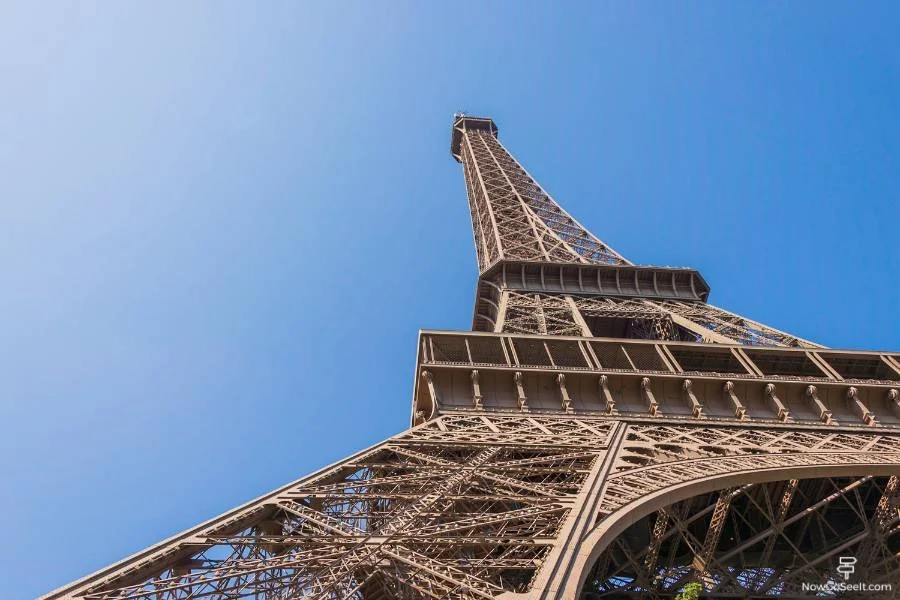
Climb the Eiffel Tower
Map: Google Maps
Website: Link
Tickets: Viator
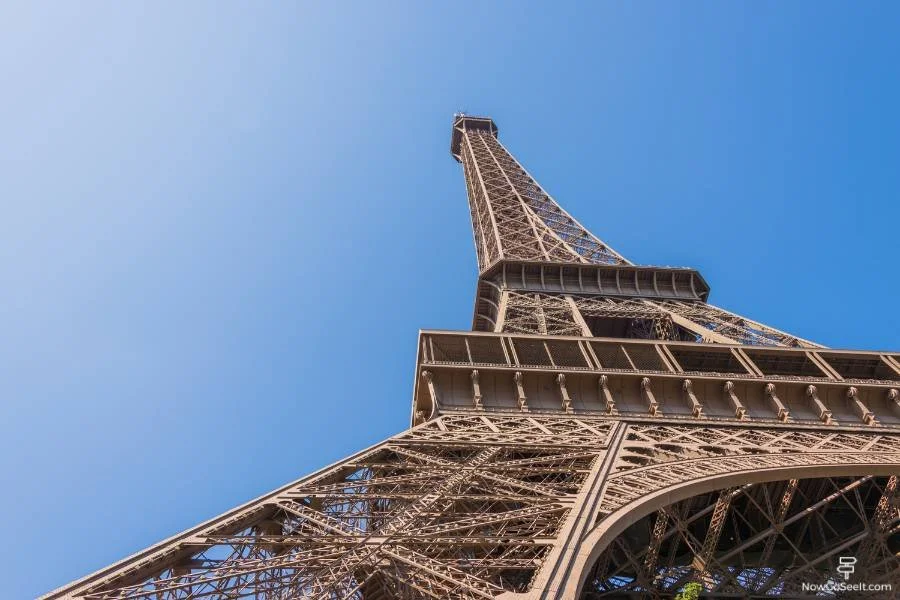
Yes, it’s touristy. And yes, it’s still worth it—if only to say you’ve done it. The views are good but not the best in the city (because you can’t see the Eiffel Tower from the Eiffel Tower). If the weather looks questionable, buy tickets last-minute rather than locking into a rainy-day climb.
The Eiffel Tower is the most recognizable thing in Paris and one of the most visited monuments in the world. The tower has three levels open to the public; you can use stairs or elevators to access the first two, but only the elevator gets you to the top. The lines can be brutal, so buy your tickets online in advance. Don’t expect the best views of Paris from the summit—because you won’t be able to see the tower itself. If you’re more interested in a photo with the tower than from it, Trocadéro Gardens or Champ de Mars are better spots. Visiting early in the morning or late in the evening helps avoid the worst crowds. It sparkles for five minutes at the top of every hour after dark. You’ll likely see it again and again during your trip, so you don’t need to linger unless you're climbing it.
For non-touristy alternatives to iconic landmarks, check out Alternative Paris: Experiences in Paris that Make You Feel Like You’re Not in Paris.
Trocadéro Gardens
Map: Google Maps
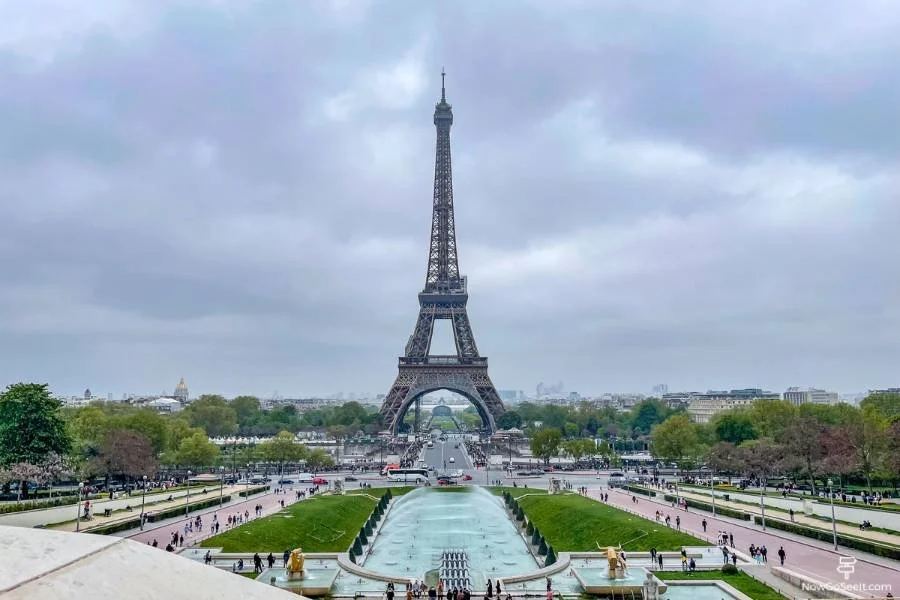
Directly across the river from the Eiffel Tower, Trocadéro offers one of the best wide-angle views of the tower. The gardens are terraced with symmetrical fountains, and they’re particularly popular at sunrise and sunset. It’s a solid place for a photo without needing to deal with crowds under the tower itself. Street vendors selling mini tower keychains and glowing toys will absolutely try to sell you something here. The surrounding architecture is from the 1937 World’s Fair and includes the Palais de Chaillot. While the fountains are occasionally off for maintenance, the view remains one of the most dramatic. If you’re on a tight itinerary, a quick stop here is worth it for the photo alone. Trocadéro is also a nice launch point if you're planning to head toward the Seine riverbanks afterward.
Champ de Mars
Map: Google Maps
Website: Link
Champ de Mars is the long public park that stretches from the Eiffel Tower toward the École Militaire. It’s where you’ll find joggers, casual soccer matches, and occasional protests. The views of the tower from the lawns are great, and while the park is a magnet for tourists, it’s still very local in feel. You’ll also spot a few snack kiosks and crepe stands, though quality varies. At night, the park fills with groups having wine and waiting for the hourly Eiffel Tower sparkle. You may get approached by folks trying to sell booze or trinkets. It’s totally walkable end-to-end and is a logical connector between Rue Cler and the tower itself. You can also use the lawns to spot alternative skyline angles if you're into urban photography.
From Chap de Mars, take the short walk to our next stop, Rue Cler.
Shop on Rue Cler
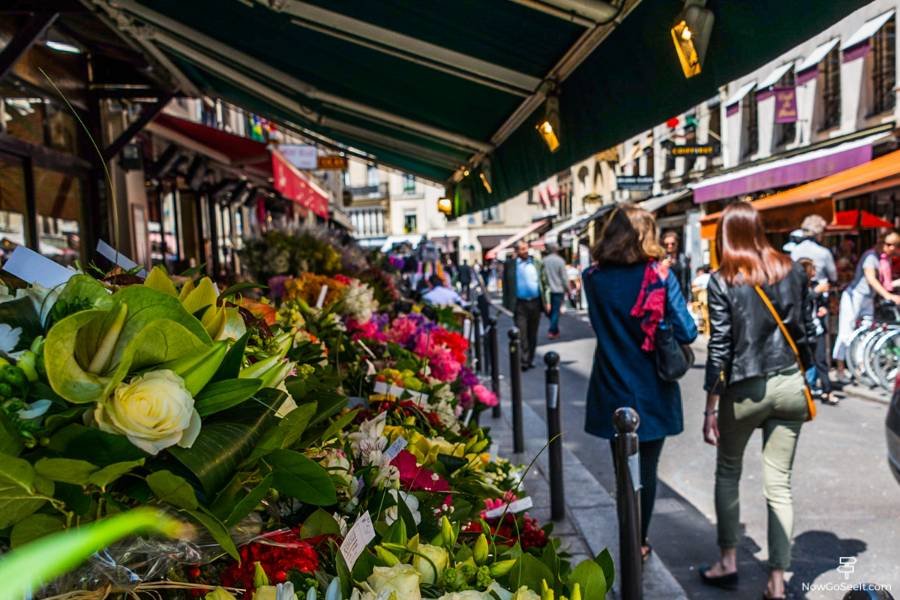
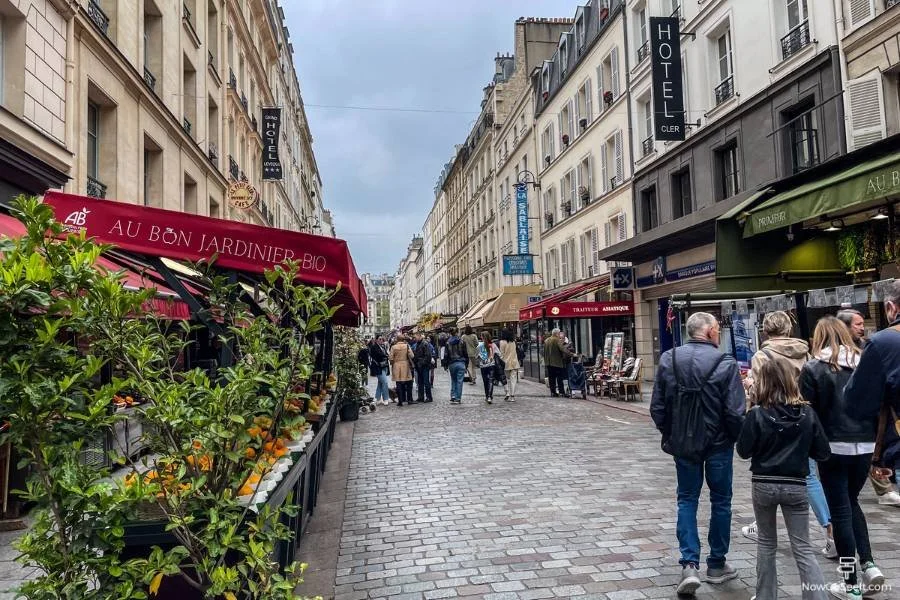
Rue Cler is a short pedestrian market street known for food shops and cafés. It’s where you’ll find the good stuff: local wine, cheeses, rotisserie chicken, chocolate, and pastries. This isn’t a place to spend hours—it’s a half-hour grab-and-go kind of stop.
Rue Cler
Map: Google Maps
Rue Cler is a market street that’s less about quantity and more about curation. It’s only a few blocks long, but the vendors here are quality-focused and more neighborhood-serving than tourist-targeted. Think fresh baguettes, boutique cheese, rotisserie meats, wine shops, and flower stalls. It’s not a secret anymore, but it’s still not overrun. A good place to build your own picnic lunch (or a hotel room dinner if you’re over restaurants). Shops are mostly closed on Mondays and some close midday, so check hours in advance. Don’t expect souvenirs—this is for food, not trinkets.
For more lesser-known shopping spots, see Alternative Paris: Non-Touristy Shopping in Paris.
Lunch: Café Central
Maps: Google Maps
Website: Link
Café with solid daily specials and outdoor seating if the weather’s decent. Not overpriced, and the service is actually decent for Paris. Order the daily plat du jour or a croque salmon if they have it.
With your belly full of Parisian delights, walk onward about 1/2 mile (1km) to The Rodin Museum.
Visit the Rodin Museum
While the interior has some standout sculptures, the garden is the real draw. Rodin’s works, including The Thinker, are scattered among hedges and flower beds in the back courtyard. It’s less crowded than most museums, and the garden ticket is a cheaper option if you’re on a budget.

Rodin Museum (Musée Rodin)
Map: Google Maps
Website: Link
The Rodin Museum is housed in a historic mansion with a sculpture garden that’s just as interesting as the galleries inside. It’s dedicated to the work of Auguste Rodin, including The Thinker, The Kiss, and The Gates of Hell. The museum isn’t massive, which makes it a good stop if you want something art-related but not overwhelming. You can get through the whole place in under 90 minutes without feeling rushed. The gift shop is surprisingly good, with art books and tasteful souvenirs. It’s close to Les Invalides, so it can be part of a walking circuit if you're seeing that dome from the outside.
If Museums are your thing learn more here: Alternative Paris: Unique Museums in Paris.
After enjoying the museum find the Metro station and take the subway to the Arc de Triomphe.
See the Arc de Triomphe
You can walk under the traffic circle through a tunnel to get to the monument. Go up to the top for panoramic views of the Champs-Élysées and Eiffel Tower. It’s usually less crowded than the tower and is arguably the better photo spot.
Arc de Triomphe
Map: Google Maps
Website: Link
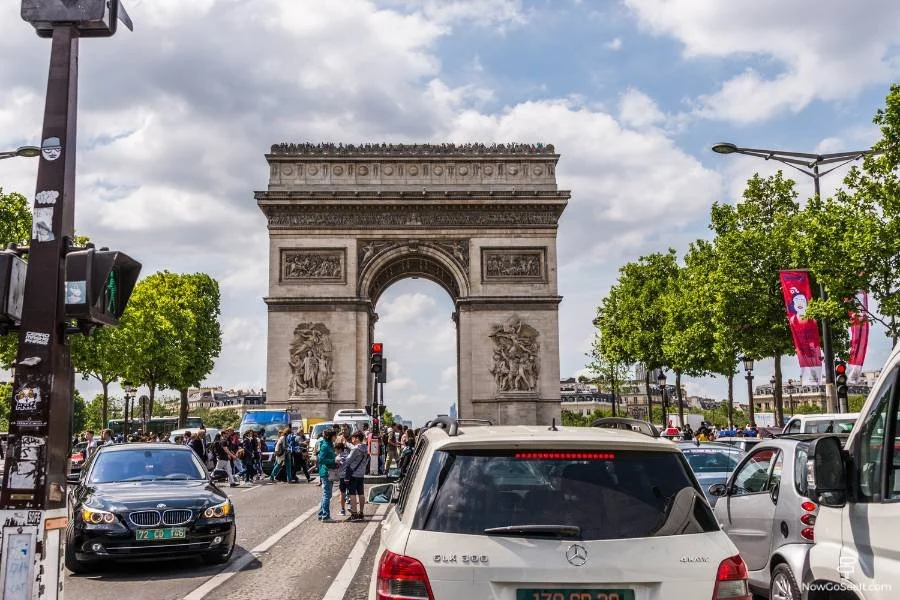
The Arc de Triomphe is a giant triumphal arch honoring those who fought and died for France in the Napoleonic and Revolutionary wars. Beneath it lies the Tomb of the Unknown Soldier, which includes an eternal flame. Most visitors just circle the outside, but a ticket gives access to the inside and the rooftop. From the top, the view down the Champs-Élysées and over to the Eiffel Tower is clean and symmetrical. It’s centrally located at the junction of twelve major roads, which makes it chaotic and loud, but also very photogenic. Time your visit late afternoon for sunset photos and night lighting. Also useful as a launch point for Avenue des Champs-Élysées or nearby shopping.
Dinner: L’Entrecôte de Paris
Map: Google Maps
Website: Link
Steak-frites is all they do, and they do it well. No menu, just say how you want your meat cooked. Expect a wait, but they turn tables fast.
As the sun sets, get ready for the lights of Paris.
Take a Le Seine Night River Cruise
End your day by treating yourself to a night cruise on the Seine. Check out our partner Viator for some great tour options. A one-hour night cruise that hits all the riverfront highlights with the city lit up. Get there a little early to grab an outside seat. If you don’t want narration, bring your own headphones and soundtrack.
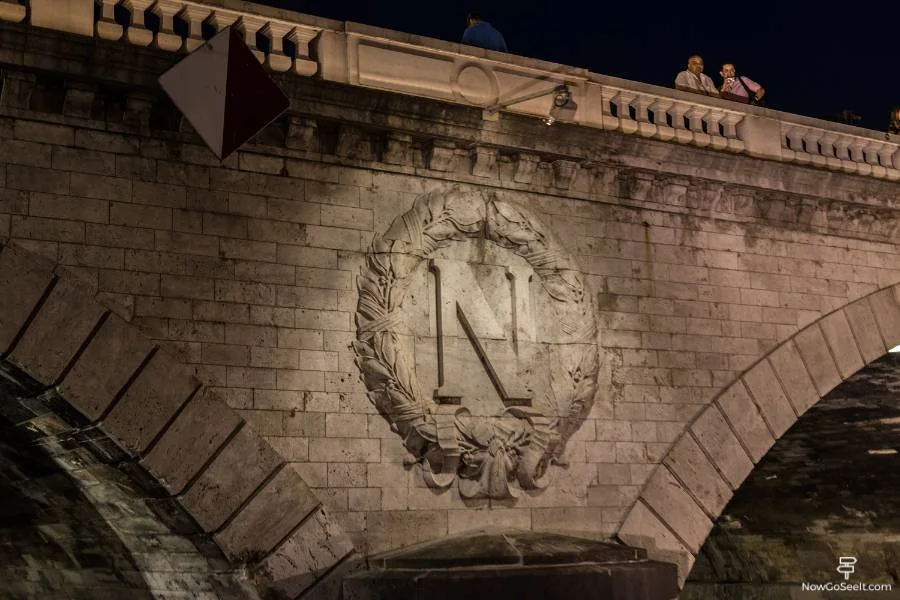
Seine River Cruise (Night)
Maps: Google Maps
Website: Link
Several companies offer cruises on the Seine, but Bateaux Parisiens tends to have the best night lighting and most consistent service. Cruises last about an hour and hit major landmarks including the Eiffel Tower, Louvre, and Notre-Dame. Nighttime cruises show off the city’s illumination, and you’ll pass under many of Paris’s iconic bridges. It’s a bit cheesy, but worth it—especially if it’s your first time in the city. Boats depart from near the Eiffel Tower and are easy to find. Skip the dinner cruise unless you’re fine overpaying for so-so food with a view.
Paris Itinerary Day 2: Cathedrals, Catacombs, and Classic Paris Views
Sainte-Chapelle’s stained glass, reopened Notre-Dame (2025), Luxembourg Gardens, and the Catacombs set the tone. Cap it with Montparnasse Tower for one of the best Eiffel Tower views.
Today mixes sacred spaces with underground bones, then wraps up with one of the city’s best views. Expect a lot of visual contrast.
Breakfast: Café Saint-Régis
Maps: Google Maps
Website: Link
A classic Parisian corner café on Île Saint-Louis with better-than-average eggs and very solid coffee. The location makes it a perfect starting point before heading to Sainte-Chapelle. It’s touristy, yes, but also worth it for convenience and atmosphere.
See the Stained Glass of Sainte-Chapelle.
Sainte-Chapelle is proof that sometimes the inside of a church really is worth paying to see. The chapel is small and the visit doesn’t take long, but it’s one of the most visually impressive stops in the city. Tickets can be purchased online, and yes, you should.
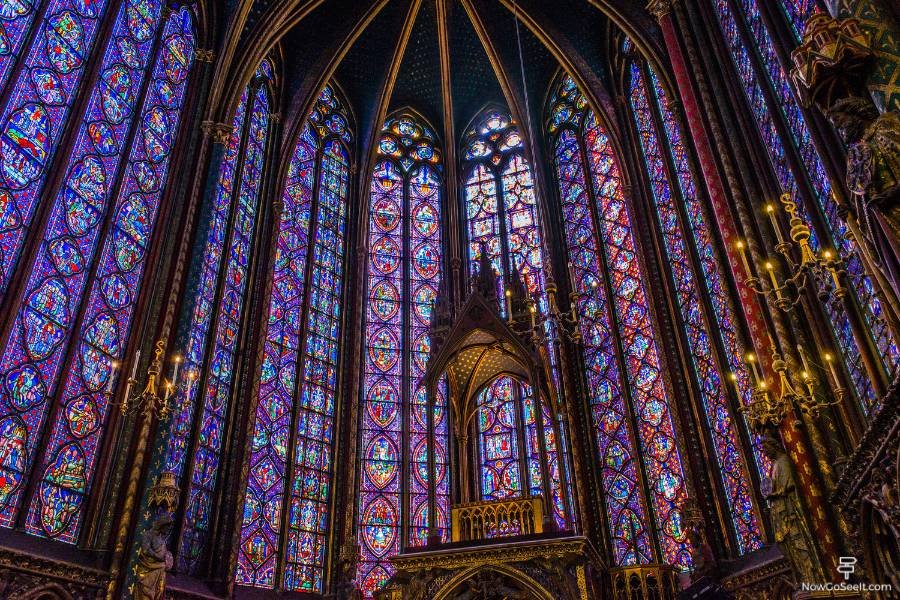
Sainte-Chapelle
Map: Google Maps
Website: Link
Tickets: Get Your Guide
This 13th-century royal chapel is known for having some of the oldest and most detailed stained glass in the world. The top-floor sanctuary is a kaleidoscope of color, with 15 tall windows telling over 1,000 scenes from the Bible. Morning light hits the glass best, so aim to arrive early. It’s small and doesn’t take long to visit, but it’s dense with detail. Entry lines move slowly due to tight security, so book a timed ticket online. The lower level is modest by comparison, but don’t skip it. Some of the windows are original, which makes the survival rate even more impressive.
For other religious spaces off the main circuit, see Alternative Paris: Unique Churches and Religious Sites in Paris.
Visit the Notre-Dame Cathedral Post Fire
Nearby is the Notre-Dame Cathedral. The church was saved from complete destruction after a fire in 2019.

Notre-Dame of Paris
Map: Google Maps
Website: Link
As of late 2024, the interior of Notre-Dame Cathedral is open to the public again following years of restoration after the 2019 fire. Inside, you’ll find soaring Gothic ceilings, restored woodwork, and stained-glass windows that survived the blaze. Entry is free, though the line to get in can stretch out into the courtyard. There’s a new visitor path that makes it easier to navigate without bunching up the crowds. While the upper tower remains under construction, you can now experience the nave, side chapels, and full layout of one of the world’s most famous churches. Expect heightened security and timed entry during peak season. Visit earlier in the day for shorter waits.
Navigate yourself on foot to Luxembourg Gardens.
Lunch in Luxembourg Gardens
This massive urban park is more than just a pretty place. It’s packed with fountains, statues, a palace (now the Senate), and that giant pool where Parisians rent little sailboats. You’ll also see kids playing, old men arguing over chess, and a surprising number of joggers. It’s a good place to decompress before descending into the Paris underworld.
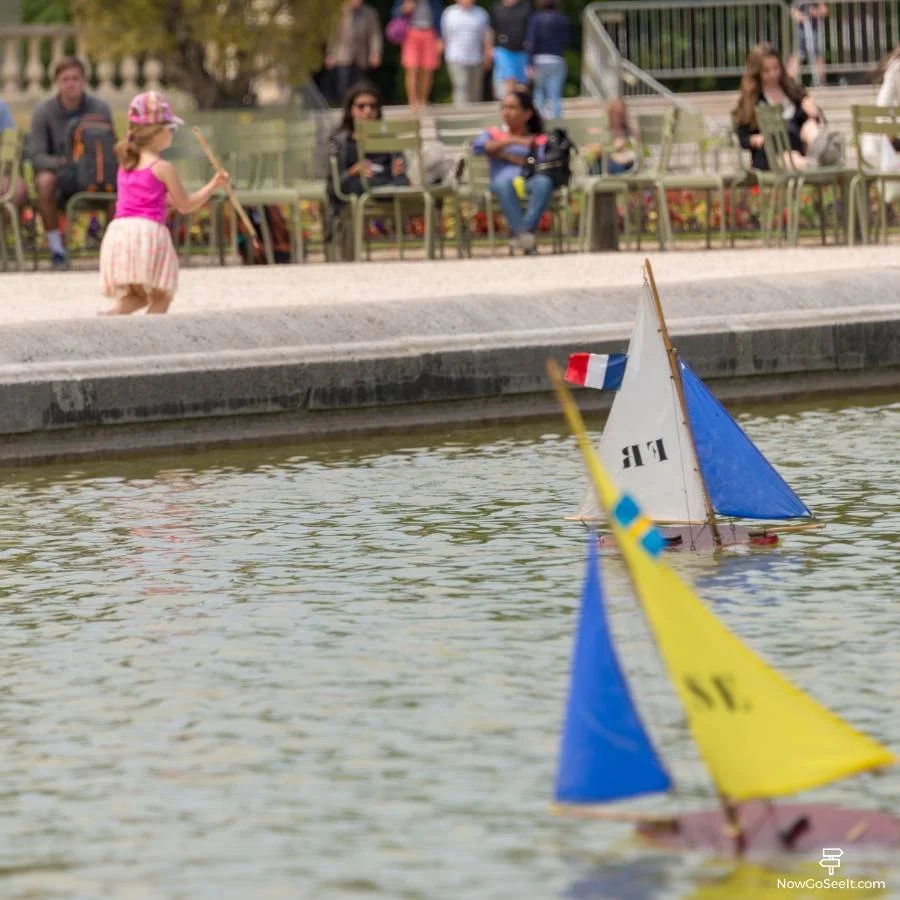
Luxembourg Gardens
Map: Google Maps
Website: Link
This isn’t just a park—it’s an all-purpose public space where people come to read, flirt, argue, and sit for unreasonable amounts of time. The actual palace is off-limits (it’s the French Senate), but the garden itself is completely open. Sculptures, fountains, and rows of metal chairs make this one of the best places to observe Parisians being Parisians. Bring a snack, find a bench, and settle in. You won’t need more than an hour unless you're actively loitering. Before leaving, make a detour to the Medici Fountain—it’s overhyped, but photogenic.
Want less tourist-heavy parks? Try Alternative Paris: Non-Touristy Parks to Visit in Paris.
Lunch: La Terrasse de Madame
Map: Google Maps
This café sits right by the central fountain in Luxembourg Gardens. It’s a mix of sit-down and takeaway, and you won’t be the only tourist here—but it gets the job done. They serve baguette sandwiches, quiches, and daily specials, all of which taste better when eaten in view of a fountain.
Things have been a little too light and cheery so far today, for a full change of tone hop on the Metro or a bus for the short ride to the Catacombs of Paris.
Tour the Catacombs of Paris
Buy a ticket and descend the staircase into the dark limestone caverns. As you proceed you’ll see a sign in French that reads "Arrête, c'est ici l'empire de la mort!” (“Stop! This is the empire of death!”)

Catacombs of Paris
Map: Google Maps
Website: Link
This ossuary holds the bones of over six million Parisians, moved from cemeteries in the 18th century to prevent disease and overcrowding. It’s a one-way underground route through former quarries turned bone storage. Expect tight spaces, dim lighting, and rows of skulls and femurs arranged in almost decorative patterns. There’s nothing fun or light-hearted here—it’s fascinating and morbid. The descent and climb back up involve a lot of stairs, so this isn’t ideal for those with mobility issues. Kids under 14 are technically allowed but may not enjoy it. Timed-entry tickets are essential; this place sells out daily.
This is not for the squeamish, nor is it recommended for children.
See our full post on the catacombs here. Or For more lesser-known underground spaces, see Alternative Paris: Unique Museums in Paris.
The pathway is one-way. You’ll come out of the Catacombs tunnels on a seemingly random street. After you adjust to the light, find your way to the nearest Metro station. Another short ride will get you to Montparnasse Tower.
Climb the Only Skyscraper in Paris
Montparnasse Tower was so hated by locals for its uninspired style in the otherwise picaresque Paris skyline that laws were passed preventing anything like it from ever being built in the city again.
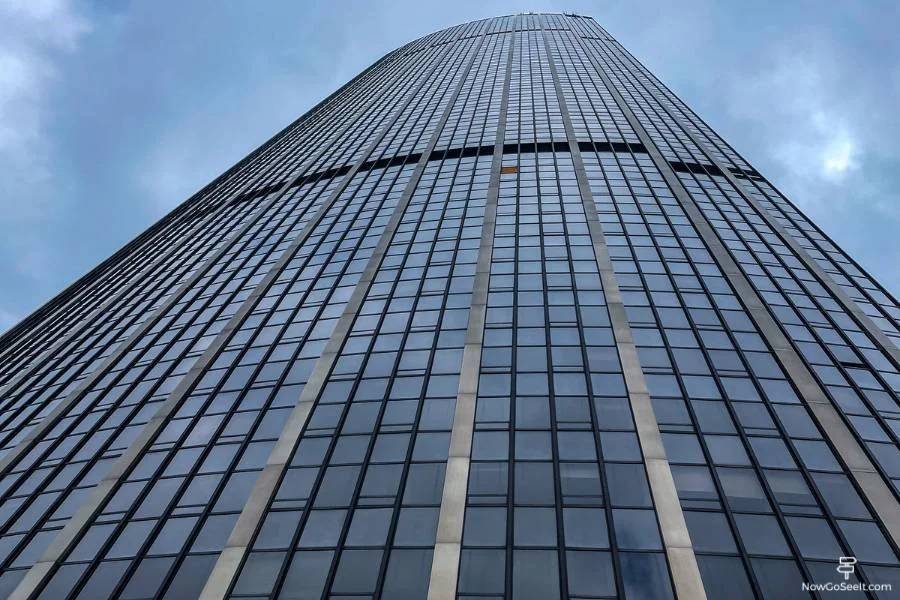
The attached mall is a sad collection of shops that seem to be barely holding on. The rooftop deck is the only saving grace. Being the only skyscraper for miles makes the rooftop views of Paris worth the ticket price to the top.
Montparnasse Tower (Tour Montparnasse)
Map: Google Maps
Website: Link
Tickets: Viator
Locals hate this tower, and it’s easy to see why—it looks like a concrete USB stick stuck in the middle of a beautiful city. But ironically, that’s what makes the view from the top so good: you can’t see the tower from up there. The 56th floor has an indoor observatory, while the roof deck provides one of the best views of the Eiffel Tower and the layout of Paris. It’s one of the few places where you can grasp how low-rise the city really is. Avoid the attached shopping mall—it feels like an airport food court without the urgency. The rooftop opens later in the summer, making it a decent place to end your day. Tickets aren’t cheap, but they’re not outrageous either. Bad weather completely ruins the experience, so check the sky first.
Dinner: Le Petit Sommelier
Map: Google Maps
Website: Link
Located about a 3-minute walk from Montparnasse Tower, Le Petit Sommelier serves classic French cuisine with a huge wine list that doesn’t require you to refinance your vacation. Think duck confit, beef tartare, and solid daily specials. Service is brisk but professional. The interior leans toward traditional brasserie without trying too hard. It’s a good mix of locals and travelers who’ve done their homework. Reservations are recommended for dinner, especially on weekends. A better bet for foodies than some of the nearby chain-heavy options.
Paris Itinerary Day 3: Day Trip to Versailles
Do the Palace of Versailles day trip from Paris: Hall of Mirrors, the Grand/Petit Trianon, and the gardens. Go early on RER C, use a Palace of Versailles map, and plan for lots of walking.
Today’s itinerary takes you out of the city to one of France’s most over-the-top royal estates. It’s a full-day affair with lots of walking, manicured gardens, and a heavy dose of French monarchy.
Breakfast: La Parisienne
Maps: Google Maps
Website: Link
Pick up breakfast near your departure station (Gare Montparnasse or Gare Saint-Lazare, depending on where you’re staying). This one’s near Montparnasse and offers solid pastries, egg sandwiches, and coffee to-go. You want something quick, because Versailles opens at 9 a.m. and it gets mobbed by mid-morning.
Getting To the Palace of Versailles From Paris
It’s very easy to reach Versailles from central Paris on the Metro. You can be at the historic palace gates in under an hour.
To reach the Palace of Versailles from Paris, take the RER C train to Versailles Château Rive Gauche. Trains run roughly every 15 minutes and the ride takes about 45 minutes. Buy a round-trip RER ticket, not a standard Metro fare—it’s a different system. Once you arrive, it’s a 10-minute walk to the main gates. Go early. Crowds multiply fast.
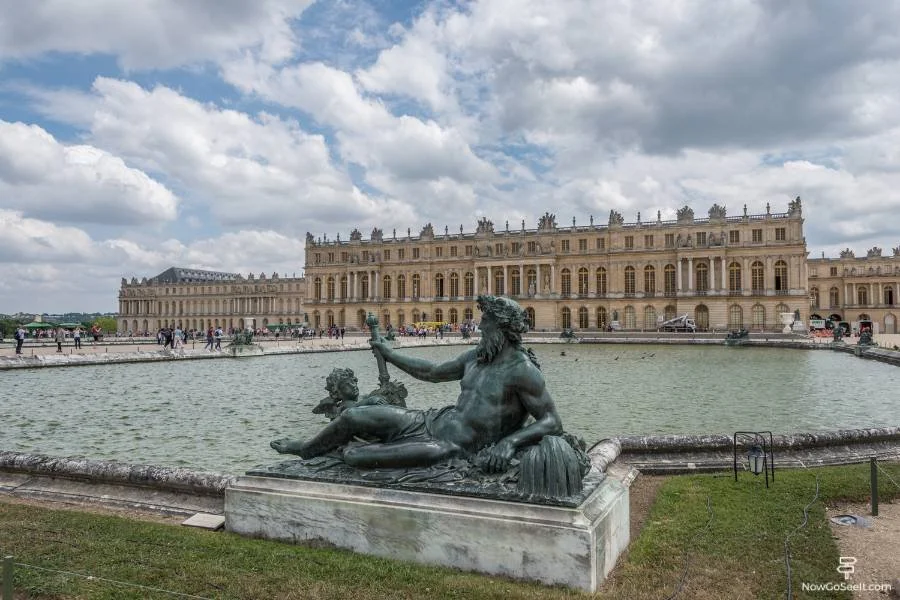
Read our full post about visiting the Palace from Paris here.
Palace of Versailles
Map: Google Maps
Website: Link
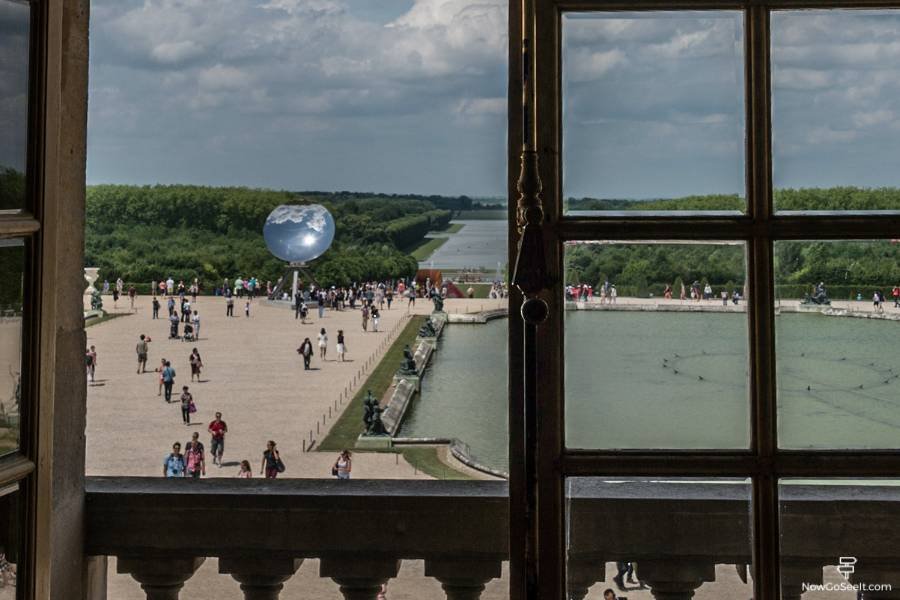
The Palace of Versailles is France’s most dramatic example of royal excess. The Hall of Mirrors alone is a full-glam moment, with gold, glass, and chandeliers from end to end. Your basic ticket includes the main palace and gardens; a full-access ticket adds the Grand and Petit Trianons and Marie-Antoinette’s fake farm. Expect crowds, especially in the main halls. The gardens go on for miles, so comfortable shoes aren’t optional. Rent a golf cart or bike if you’re short on time or energy. Avoid visiting on Mondays when the palace is closed, or Tuesdays when every other museum in Paris is closed and everyone flocks here. You’ll need half a day minimum, but more if you go slow.
For alternatives to Versailles, see Alternative Paris: Unique Castles and Residences to See in Paris.
Lunch: La Petite Venise
Map: Google Maps
Website: Link
Located in the gardens of Versailles, La Petite Venise offers an escape from the packed courtyard cafés. It’s more expensive than your average lunch in Paris but convenient and calm (by Versailles standards). You’ll find quiche, pasta, and a few French classics. Not amazing, but it’s about location, not innovation.
Optional Stop: Domaine de Marie-Antoinette
If you have energy left, this quieter part of Versailles includes a fake farm village built for Marie-Antoinette’s personal cosplay. It’s bizarre, charming, and strangely empty compared to the main palace. If you want to avoid the crush of tourists by mid-afternoon, this is where you go.
Marie-Antoinette’s Hamlet
Map: Google Maps
Website: Link
This fake rustic village was Marie-Antoinette’s personal playground, designed to resemble a simple farm—minus any actual simplicity. The cottages are stylized to look like peasant homes, but each had servants and working kitchens. The contrast between intent and execution makes it one of the strangest parts of the Versailles estate. It’s often much less crowded than the palace itself, which makes it a quiet break from the tourist stampede. There are ducks, gardens, and photo ops that feel completely unrelated to the rest of the estate. If you’re into contradictions and cosplay-level architecture, this part of Versailles delivers.
For other Ideas for a day outside of the city check out Alternative Paris: Non-Touristy Day Trips from Paris.
Return to Paris (and Rest)
After you’ve wandered enough manicured hedges and golden hallways, head back to the RER station and return to central Paris. It’s totally valid to call it a night here. But if you’re up for it…
Dinner: Bouillon Pigalle
Map: Google Maps
Website: Link
A Paris institution with shockingly low prices. Think classic French dishes like beef bourguignon, escargot, or duck confit for under €10. It’s loud, it’s busy, and it’s not fancy—but the food is solid and the experience feels more local than touristy. They don’t take reservations, so go early or expect to wait.
Paris in Four Days:
Your last day in Paris is about art, neighborhoods, and saying goodbye from a rooftop view. Don’t try to squeeze in too much—you’ll already be covering a lot of ground.
Hit the Louvre highlights (Mona Lisa, Winged Victory, Venus de Milo) with timed entry, then head to Montmartre and Sacré-Cœur. It’s art, neighborhoods, and one last skyline moment to wrap your 4 day Paris itinerary.
Day 4: Masterpieces, Montmartre, and a Final View
Breakfast: Café Kitsuné Palais Royal
Map: Google Maps
Website: Link
Just a 5-minute walk from the Louvre, this stylish café sits inside the arcades of Palais Royal. They serve specialty coffee, pastries, and light breakfast items like granola and toast. It’s not a full-service brunch spot, but it’s perfect if you want something quick and high-quality before heading into the Louvre. There’s limited indoor seating, but you can also grab your order to go and sit in the adjacent gardens. It attracts a mix of locals and visitors who know how to Google “where to get good coffee in Paris.” Bonus: the surrounding arcades have a few interesting boutique shops worth checking out afterward.
See Masterpieces at The Louvre
The Louvre is massive—don’t try to see everything. Decide on a few must-sees (Mona Lisa, Venus de Milo, Winged Victory, etc.), and go straight to those. Use the museum’s website or app to plan your route; the building layout is a maze. Buy skip-the-line tickets in advance and arrive early. Even with all the crowds, it’s a world-class museum that delivers. Check out our guide to the Masterpieces of the Louvre to help plan your visit.
Or See Alternative Paris: Unique Museums in Paris if you want a plan something more unique.

The Louvre Museum
Map: Google Maps
Website: Link
Tickets: Viator
This is the most visited museum in the world, and it feels like it. The Louvre is gigantic—if you’re trying to see everything, you’re doing it wrong. The Mona Lisa is smaller than you expect and usually surrounded by tourists with iPads. Don’t overlook underrated wings like the Islamic Art section or the Napoleon III Apartments. Timed-entry tickets are mandatory unless you enjoy standing in hour-long queues. The building itself is a former royal palace and worth seeing just for the architecture.
After you've had your fill of some of the greatest art ever created go outside and hop on the nearest subway. Navigate to the hilltop Montmartre neighborhood. Take the Metro to Anvers or Pigalle and ride the funicular up the hill if you’re tired. Otherwise, climb the steps and pretend it’s a workout. You’ll land just below Sacré-Cœur, and the views are excellent.
Lunch: Le Consulat
Map: Google Maps
This Montmartre institution is more famous for its look than its food, but the menu is totally decent. Expect French basics—onion soup, omelets, croques. It’s busy, but the outdoor tables offer a good vantage point for people watching.
See Montmartre and Sacré-Cœur
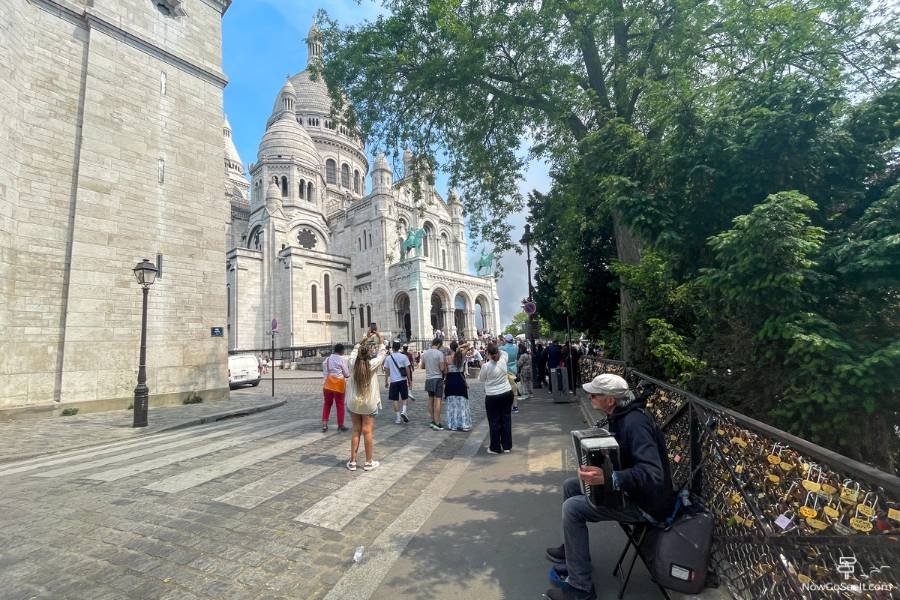
Sacré-Cœur is the white-domed basilica perched at the highest point in Paris. Inside, you’ll find dramatic mosaics and a huge dome that you can climb. The surrounding streets are loaded with souvenir shops, candy stores, creperies, and local art stands. It’s touristy but still fun. The funicular ride is included in a Metro ticket if you don’t want to climb. For fewer crowds, veer off into side streets and check out the surprises that you’ll find around the corners.
Montmartre
Map: Google Maps
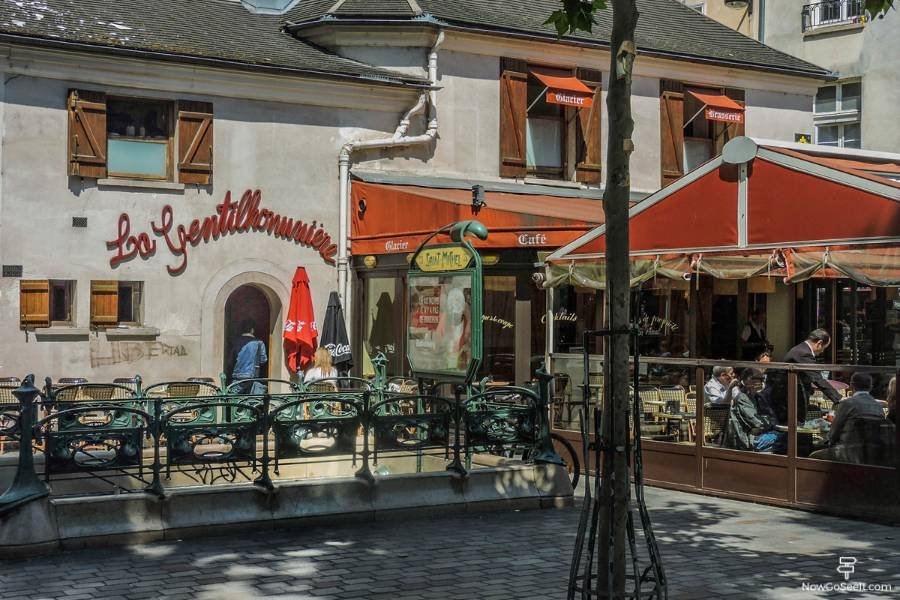
Montmartre used to be a village on the outskirts of Paris. Now it’s part of the city but still feels a little removed. At the top of the hill is Sacré-Cœur, a basilica with some of the best city views (free to visit, but dome access costs extra). The surrounding area is filled with art stalls, candy shops, and overpriced cafés. Despite the crowds, you’ll still find some charm—especially if you veer off the main square and head down side streets. The funicular is a quick way to avoid the hill if you’ve had enough stairs. Montmartre is a good place to look for a few things featured in our blog post: Alternative Paris: Non-Touristy Souvenirs From Paris.
Late Afternoon Break: Café Tabac Le Nazir
Map: Google Maps
Website: Link
Good for a glass of wine or coffee before you wrap up. It’s located on Place des Abbesses near the famed “I Love You Wall” if you want a quick photo.
Sacré-Cœur Basilica
Map: Google Maps
Website: Link
Sitting at the highest point in Paris, Sacré-Cœur offers panoramic views and free entry to its cavernous interior. The design is Byzantine-inspired, and the interior mosaics are some of the largest in the world. You can climb to the top of the dome for an extra fee if you still want more skyline views. Expect a long staircase and some narrow spiral paths. Pickpockets tend to linger outside the basilica, so don’t hang your bag behind you. Street vendors are aggressive here—ignore anyone who tries to tie a bracelet on your wrist. This is one of the most-visited landmarks in Paris, so early morning or late evening are your best bets for a quiet visit.
Head back down to the banks of the Seine for one last perfect Parisian dinner to remember your time in the city of light.
If it’s on your list you could also choose to see a show at the Moulin Rouge which is back in Montmartre, book tickets for that in advance.
Dinner: Les Ombres
Map: Google Maps
Website: Link
End your trip with a real meal. Les Ombres is one of the few fine dining restaurants with a direct view of the Eiffel Tower—and it’s actually good. Expect prix fixe menus with seasonal French dishes and a wine list worth exploring. It’s not cheap, but it’s memorable, and you’re in Paris, so suck it up. Make reservations in advance.
After Dinner
If your flight’s not painfully early the next day, walk down to the Eiffel Tower for one last look. The lights sparkle at the top of every hour after dark. It’s cheesy, but it works.
As you say goodbye to the city of light promise yourself you’ll return soon.
What If You Have More Time in Paris?
Add extra days to dive into neighborhood markets, smaller museums, and easy day trips like Provins or Château de Malmaison—less waiting, more local color. Use our Alternative Paris guides for self-guided walks, unique shops, and smart food stops that expand your first-timer plan without retracing steps.
If you’re lucky enough to have more than four days in Paris, there are plenty of deeper cuts and less tourist-heavy experiences to explore.
Try a self-guided route from Alternative Paris: Non-Touristy Walking and Self-Guided Tours in Paris for quieter neighborhoods and local color. Skip the Louvre crowds with a trip to Alternative Paris: Unique Museums in Paris, like the Musée de la Chasse or the Fondation Louis Vuitton. If you’ve had enough monuments and want something active, check out Alternative Paris: Fitness Activities to Make You Feel Like a Local in Paris.
Need more shopping but hate crowds? Go read Alternative Paris: Non-Touristy Shopping in Paris for neighborhood stores that don’t sell Eiffel Tower lighters. Want something weird or specific? Alternative Paris: One of a Kind Things to Do in Paris and Alternative Paris: Unique Public Art and Sculptures in Paris are loaded with options that break the typical tourist mold.
Hungry for something besides crepes and croissants? Check out Alternative Paris: Paris Must Eats and Alternative Paris: Non-Touristy Restaurants in Paris. Looking to leave town again? Day trips like Provins, Auvers-sur-Oise, and Château de Malmaison are covered in Alternative Paris: Non-Touristy Day Trips from Paris.
With a week or more in the city, you’ll still never run out of things to do—just better ways to do them.