Germany Two Week Itinerary: Plan Your First Trip To Germany
Now Go See It is reader-supported. When you buy through links on our site, we may earn an affiliate commission.
Visiting Germany was one of our favorite trips. The combination of great food, fun theme parks, and cultural stops was a perfect mix for us. Here we lay out our 16 days across Germany.
Two Weeks in Germany: (Jump To)
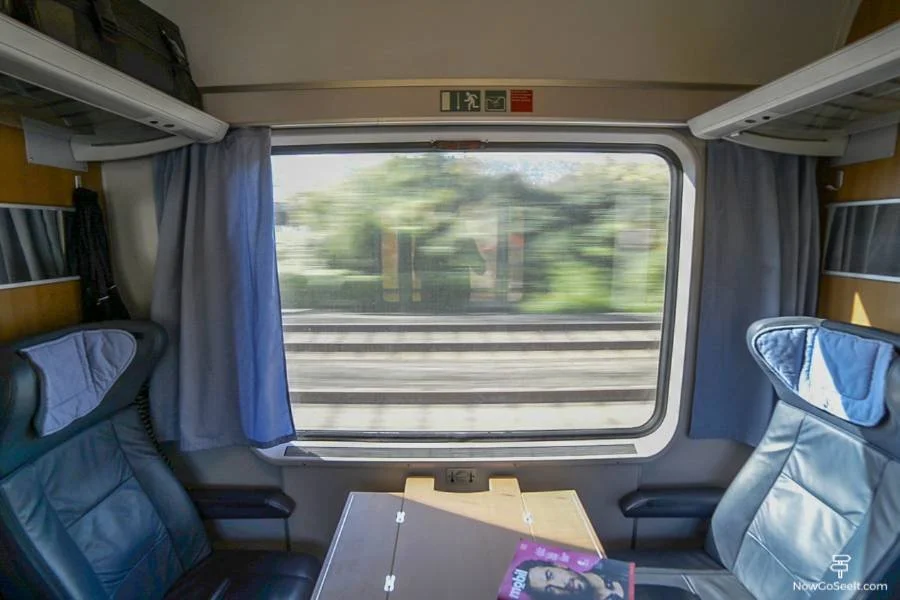
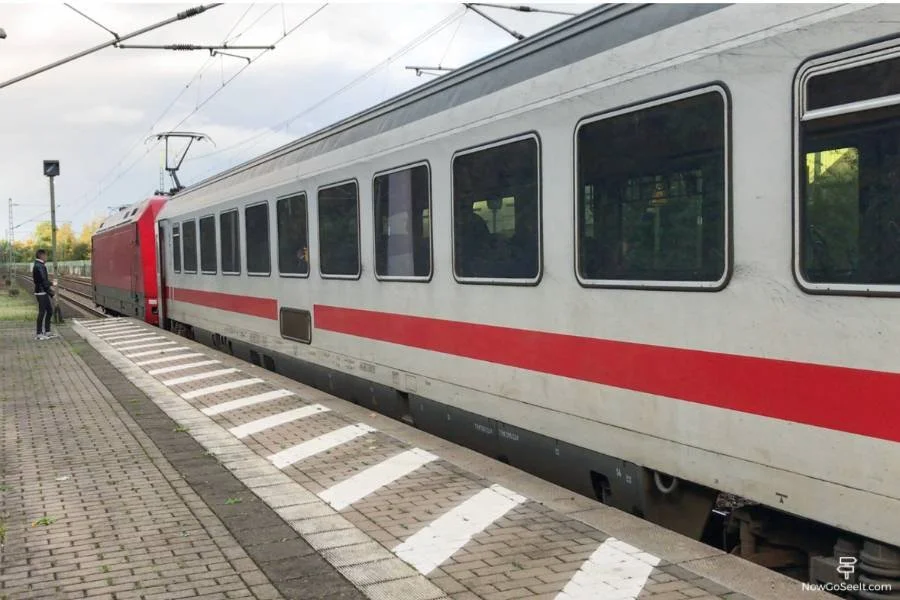
We used the German Rail pass to get around the country. It was very affordable and extremely easy to use.
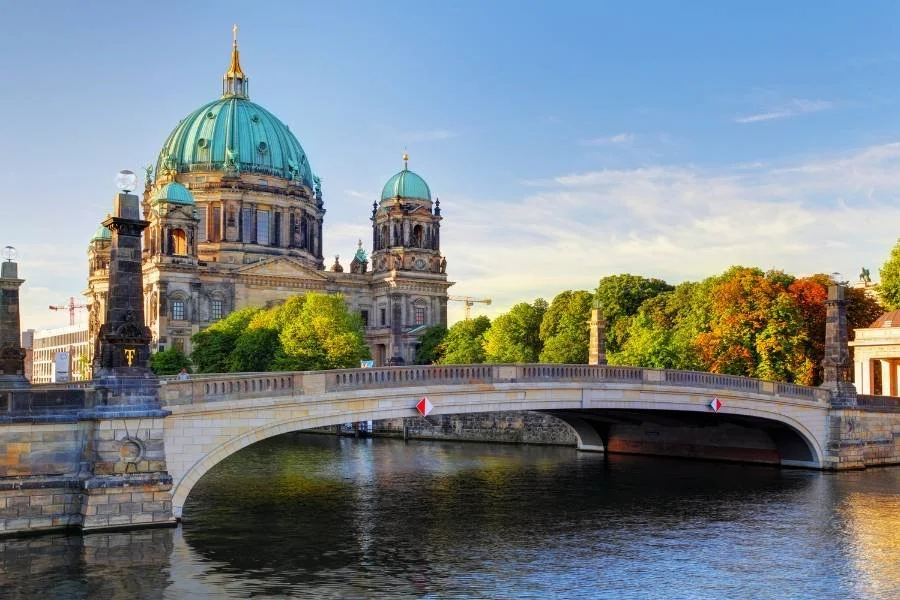
Germany Day 1: Berlin Itinerary
Kick off your Germany itinerary with Berlin’s greatest hits—Brandenburg Gate, Memorial sites, Museum Island, Alexanderplatz, and the East Side Gallery—easy to link by bus and U-Bahn. With an early arrival, this one-day Berlin plan sets the pace for a two week Germany itinerary that balances history, architecture, and simple, low-stress transit.
Note: Day one was set to be an early morning arrival in Berlin. The weather had other plans for us (leaving us stranded for the night). What follows is what we would have done in Berlin. We got back on track on day three in Hamburg.
An early morning arrival lets us drop our bags and begin exploring the city.
Via bus, we planned to visit the Brandenburg Gate, the adjacent Memorial to the Murdered Jews of Europe, and the Memorial to Homosexuals Persecuted Under Nazism.
The afternoon was set aside to visit the museums on Museum Island, Alexanderplatz, and the East Side Gallery, home to the last pieces of the Berlin Wall.
We planned to finish the day with dinner in the Kurfürstendamm area.
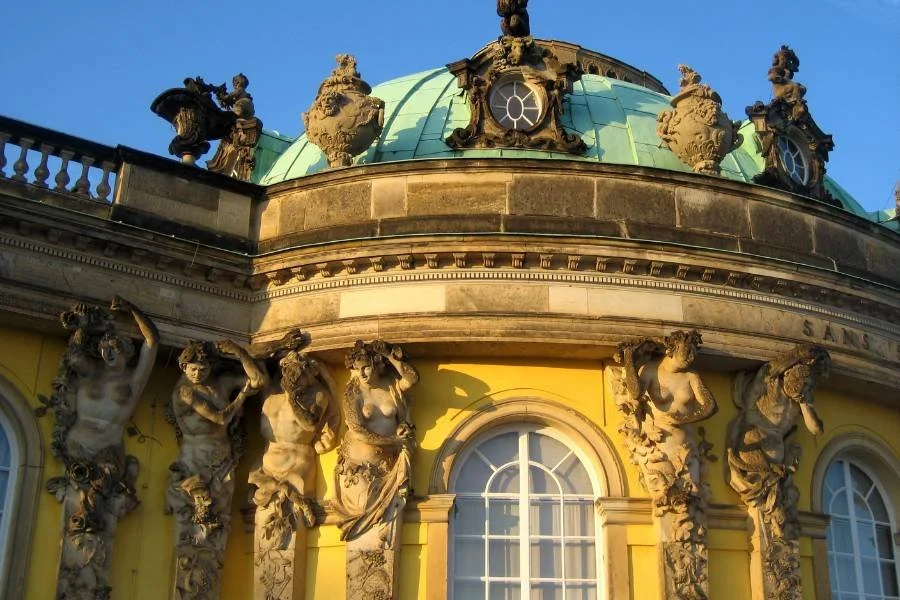
Germany Day 2: Berlin, Potsdam, and Travel to Hamburg
Make a quick Potsdam run for Sanssouci Palace, then slot in Berlin Zoo or a final neighborhood wander before your evening train. This keeps your Germany by train itinerary efficient while still giving you a second taste of Berlin’s museums, monuments, and café culture.
We planned to check out of the hotel in the early morning and stash our luggage at the train station before taking the 1-hour train to Potsdam to see Sanssouci Palace.
Time permitting, upon our afternoon arrival back in Berlin we planned to visit the Berlin Zoo.
After dinner, we would take the (approx. 90 minutes) train to Hamburg.
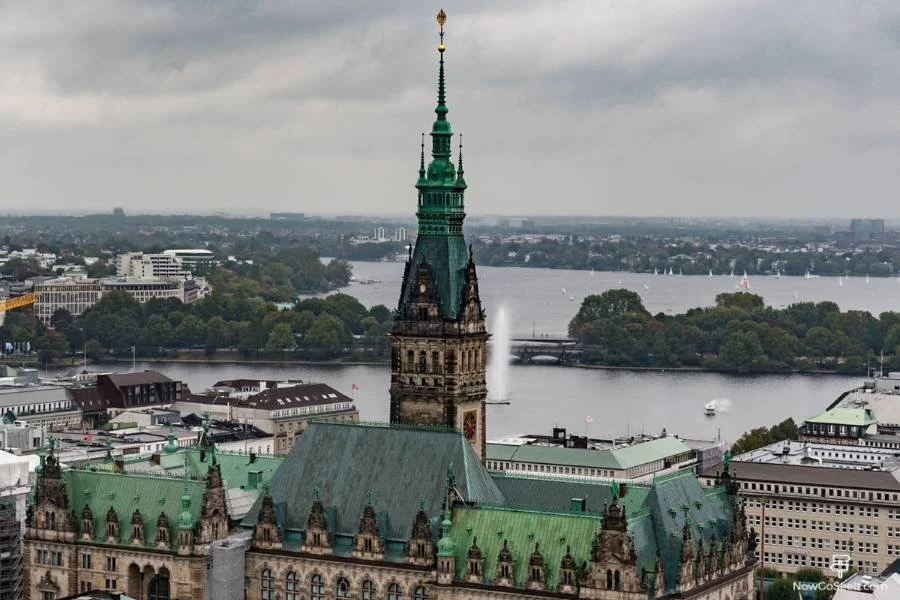
Germany Day 3: Hamburg Itinerary
Hamburg delivers variety fast—Miniatur Wunderland, CHOCOVERSUM, St. Nikolai, and a dusk walk through the Reeperbahn—without chewing up your day in transit. Use the Hamburg Card to streamline costs and connections so this stop fits neatly into a Germany travel itinerary focused on easy wins.
Read more at our Full Hamburg Post
From the train station, we purchased a “Hamburg Card” which worked as a transit pass for the busses and subways and also gave tourist discounts at the top attractions.
We visited Spicys Gewurtzmuseum, a spice museum, and made our own chocolate bars at CHOCOVERSUM Chocolate Museum.
We climbed to the top of the St. Nikolai Memorial for a panoramic view of the city.
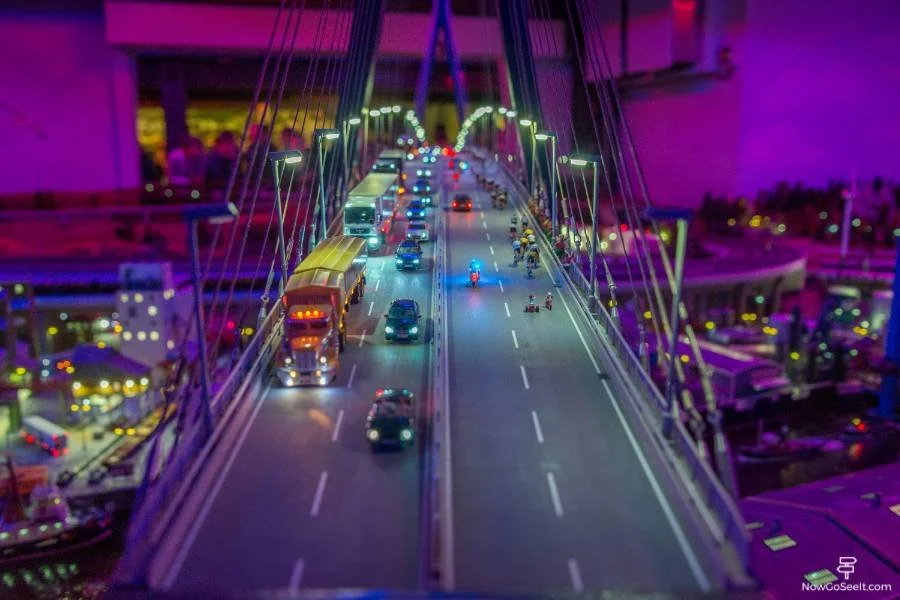
The evening was spent seeing Miniatur Wunderland, the world’s largest model railway.
We capped the day with a late-night walk through the Red Light District.
Spicy’s Gewürzmuseum
Map: Google Maps
Website: Link
Tickets: GetYourGuide
This small museum is tucked inside an old warehouse and filled with displays about the spice trade. It’s a quick visit—probably under an hour—but worth stopping by if you're in the area and want to see what a clove or vanilla bean looks like up close. There are hands-on elements and displays in multiple languages. Entry comes with a tiny sample pack of spices. The gift shop has a bunch of seasoning blends that are easy to pack if you’re hunting for souvenirs. If you’re visiting nearby Miniatur Wunderland, it’s an easy addition to the same afternoon.
CHOCOVERSUM Chocolate Museum
Map: Google Maps
Website: Link
Tickets: GetYourGuide
This place starts strong. The first thing you do is pour melted chocolate into a mold and decorate your own candy bar with toppings like gummy bears, chili flakes, or coconut. But then the tour starts—and keeps going. And going. You’ll learn more than you ever needed to know about chocolate, like the pH levels of different cocoa soils. The chocolate bar you made gets handed out at the very end of the tour, so you’re stuck there until it’s over. Some people managed to sneak out early, but most of us just endured it. The chocolate was good though.
St. Nikolai Memorial
Map: Google Maps
Website: Link
This former church was heavily bombed in World War II and left partially in ruins as a memorial. The spire still stands, and you can take an elevator most of the way to the top for views across Hamburg. At the base of the tower is a small underground museum with information about the war and the destruction of Hamburg. The museum is compact and sobering but well done. Up top, the view isn’t quite as expansive as other towers in Europe, but it gives you a good perspective on the city layout and history. The whole experience takes about 30–45 minutes.
Miniatur Wunderland
Map: Google Maps
Website: Link
This is one of the coolest things we did in Germany. It’s the largest model railway in the world, but that doesn’t even begin to describe it. The trains are secondary to the scenes they pass through—tiny recreations of cities, mountains, oceans, and even an airport where the planes actually take off. There are little easter eggs everywhere—zombies in a graveyard, a carnival in full swing, and miniature people doing everything from skiing to skinny-dipping. Timed entry tickets are recommended, especially in the evening. We spent almost two hours here and probably could have stayed longer.
Hamburg Red Light District
Map: Google Maps
We capped the night with a walk through the city’s famous Red Light District. It’s a weird mix of bars, strip clubs, neon signs, and guided tour groups. If you’re familiar with Amsterdam, this one feels grittier and less polished. The main drag has the usual mix of bachelor parties and tourists gawking at the scene, but the side streets are quieter. You’ll pass people trying to pull you into clubs or offering “special shows,” but it’s easy enough to say no and keep walking. It’s a strange way to end the night, but one that feels very Hamburg.
Germany Day 4: Heide Park from Hamburg
From Hamburg, Heide Park is a straightforward theme park day with big coasters and simple rail connections. It’s a smart way to add thrills to a two week Germany itinerary while keeping your hotel base the same for back-to-back nights.
Read our Full Heide Park Post to learn about our day at the wonderful German theme park.
Using Hamburg as our base we took a day trip to Heide Park, a theme park in the town of Soltau.
We returned to our Hamburg hotel for the evening.
Germany Day 5: Cologne Itinerary, Arrive at Phantasialand
Cologne is perfect for a fast hit: Cologne Cathedral, Hohenzollern Bridge views, and the Rheinboulevard promenade all cluster within walking distance. This compact loop is ideal for a Germany itinerary by train—stash your bags at the station, see the essentials, then continue on.
Read our Full Cologne Post to learn more about the day.
We woke up and caught an early morning train to Cologne. The train ride took about four hours, landing us in the city at about noon.
Cologne is an easy city to explore on foot, with most attractions just steps away from the central train station.
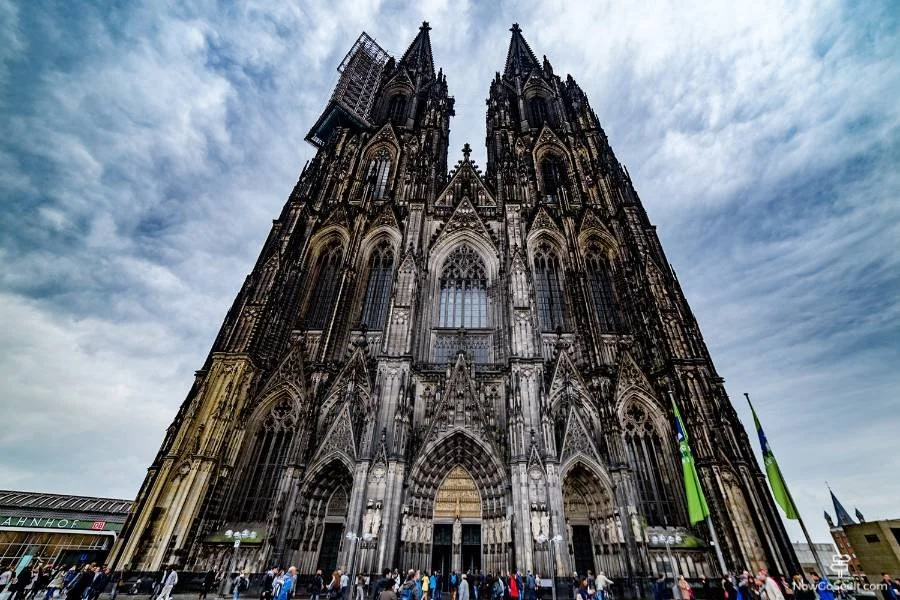
We stashed our bags at the station and then visited the Cologne Cathedral and Hohenzollern Bridge. A walk along the river via the Rheinboulevard let us explore some local shops and restaurants.
Cologne Cathedral
Map: Google Maps
Website: Link
You can’t miss the Cologne Cathedral—it’s the first thing you see when you exit the train station. It’s enormous, dark, and covered in elaborate details. The gothic cathedral took over 600 years to complete and is one of the tallest churches in the world. Inside, it’s dimly lit with stained glass windows and towering arches. There’s a reliquary said to hold the remains of the Three Wise Men, but most visitors seem more focused on the sheer size of the place. Entry is free, though there’s a small fee if you want to climb the tower. It’s definitely the kind of place that makes you feel very small.
Hohenzollern Bridge
Map: Google Maps
Just east of the cathedral is the Hohenzollern Bridge, a steel-truss bridge that crosses the Rhine. It’s famous for its “love locks,” and the railings are packed with them—thousands of padlocks clipped on by couples, slowly rusting in place. Trains fly by on one side while pedestrians and cyclists cross the other. The bridge offers great photo angles of the cathedral and skyline, especially from the far side looking back. If you’re crossing with luggage, be aware the surface is bumpy, but otherwise it’s an easy and scenic walk.
Rheinboulevard
Map: Google Maps
After crossing the bridge, we followed the paved Rheinboulevard along the eastern bank of the Rhine. It’s a wide pedestrian promenade with long steps that double as benches and lookout points. Locals gather here for lunch or drinks, and there are a few small food stands and casual cafes along the path. From this side of the river, the view back toward the cathedral is pretty great—especially if you’re trying to get a skyline shot. Shops and restaurants are mostly casual and modern, with less tourist focus than the old town across the bridge. It's a nice way to round out your visit before heading back to the train.
We returned to the train station, collected our bags, and made our way to the final stop of the day, our hotel near the theme park Phantasialand.

Earn Miles and Points For Free Travel
We share tips and tricks for credit card points and miles. These tools help us save money on our trips around the world by allowing us to accumulate airline and hotel points. Read More.
Germany Day 6: Phantasialand, Travel to Heidelberg
Phantasialand is one of Europe’s best theme parks for adults, with headliners you can cover in half a day on lighter crowd dates. Ride early, eat late, and you’ll still make your afternoon train to Heidelberg without breaking your Germany rail rhythm.
One of our favorite theme parks in the world is covered in detail at our Full Phantasialand Post.
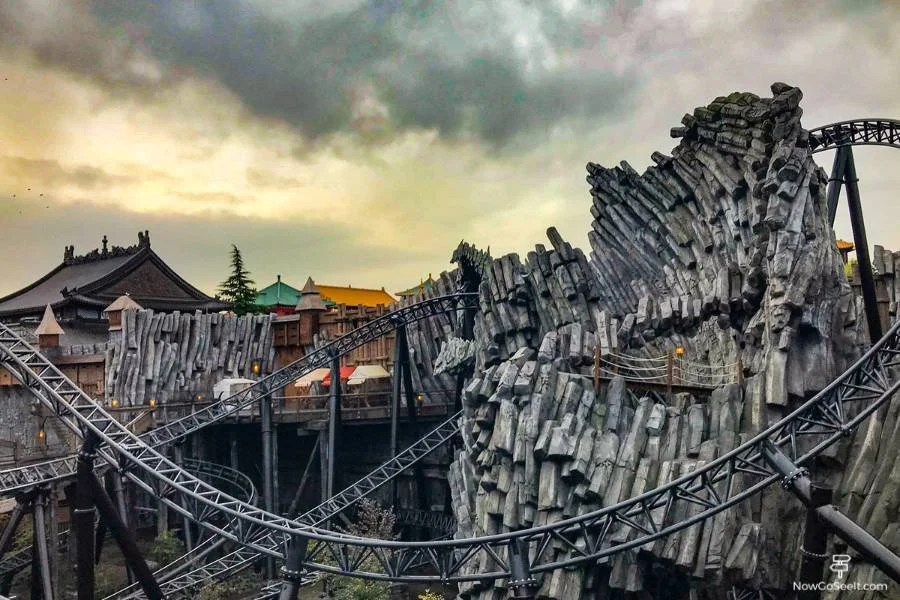
Phantasialand is an incredible theme park that is a must-visit for theme park enthusiasts visiting Germany.
The park was surprisingly not too busy, so we were able to ride and see everything by mid-afternoon.
At about 3 pm we collected our bags, caught the bus to the train station, and then took the train to Heidelberg. The journey took about 3 hours, landing us in Heidelberg just in time for dinner and some much-needed rest.
Germany Day 7: Heidelberg Itinerary, Travel to Europa Park
Start at Heidelberg Castle for the terrace view, loop Market Square and the Old Bridge, then climb Philosophers’ Way for the city’s postcard angle. It’s a classic one-day Heidelberg plan that slots cleanly into a two week Germany itinerary before your evening FlixBus to Europa-Park.
Learn more about what to do in Heidelberg!
We headed to the famed Heidelberg Castle first thing in the morning. After touring the castle we rode the funicular back down the hill visiting the shops near Market Square.
We crossed the river via Old Bridge Heidelberg and hiked the Philosophers' Way trail for epic views of the city.
Heidelberg Castle
Map: Google Maps
Website: Link
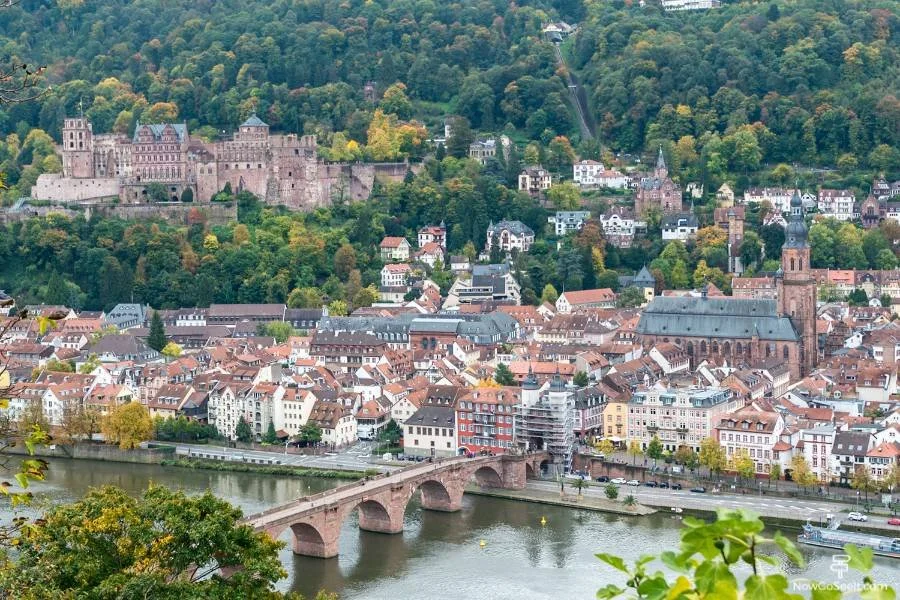
The ruins of Heidelberg Castle sit high above the city and are one of the most photographed spots in Germany. The entrance ticket includes access to the grounds, a small apothecary museum, and a ride on the funicular railway. The outer courtyard has sweeping views over the river and town below, while the inner courtyard gives a glimpse of how massive and ornate the original structure once was. Inside the wine cellar is one of the world’s largest wine barrels—more a novelty than anything, but fun to see. The castle is part ruin, part restoration, which makes it feel like a real place with real history, not just a museum with velvet ropes.
Market Square Heidelberg
Map: Google Maps
After finishing the castle tour, we rode the funicular back down to the Altstadt and wandered the shops around Market Square. The square is framed by the Church of the Holy Spirit and a cluster of souvenir stands, cafes, and boutiques. It’s a lively little hub with cobblestone streets and the kind of shops that sell everything from cuckoo clocks to handmade soaps. If you’re looking to grab a snack or a coffee, this is the spot. Many of the storefronts cater to tourists, but there’s still enough variety to make it a good place to poke around for a bit.
Old Bridge Heidelberg
Map: Google Maps
The Old Bridge, or Alte Brücke, is a stone pedestrian bridge that crosses the Neckar River just north of Market Square. It dates back to the 18th century and has a gate tower and a curious statue of a monkey holding a mirror at the entrance. Locals and visitors rub the monkey’s bronze fingers or mirror for luck, though the origins of the superstition are unclear. The bridge itself is scenic, with unobstructed views of the castle above and the houses that cling to the hillside. Crossing the bridge gives you a nice change in perspective before you start the uphill hike.
Philosophers’ Way
Map: Google Maps
On the opposite bank of the river, a short walk through a residential street leads to the start of Philosophers’ Way, a paved hiking trail that climbs above the city. The incline is steady but manageable, and the payoff is absolutely worth it. Along the way you’ll pass gardens, a small park, and stone benches with postcard views of the castle and Old Town. The trail has a romantic backstory—said to be where university philosophers once walked to think—but it’s mostly just a really great overlook. You don’t need hiking boots, but decent shoes help. Bring water if it’s hot out.
In the late afternoon, we caught a pre-booked Flixbus to Europa-Park.
We stayed in a hotel on the Europa-Park property.
Germany Day 8: Europa-Park
Treat Europa-Park like the Disneyland of Germany—map your must-ride coasters first (Silver Star, Blue Fire, Wodan), then fill gaps with dark rides and country lands. Booking an on-site hotel keeps mornings efficient and fits the Germany two week itinerary tempo you’ve set so far.
It’s the Disneyland of Germany! Read our Europa-Park post to learn more.
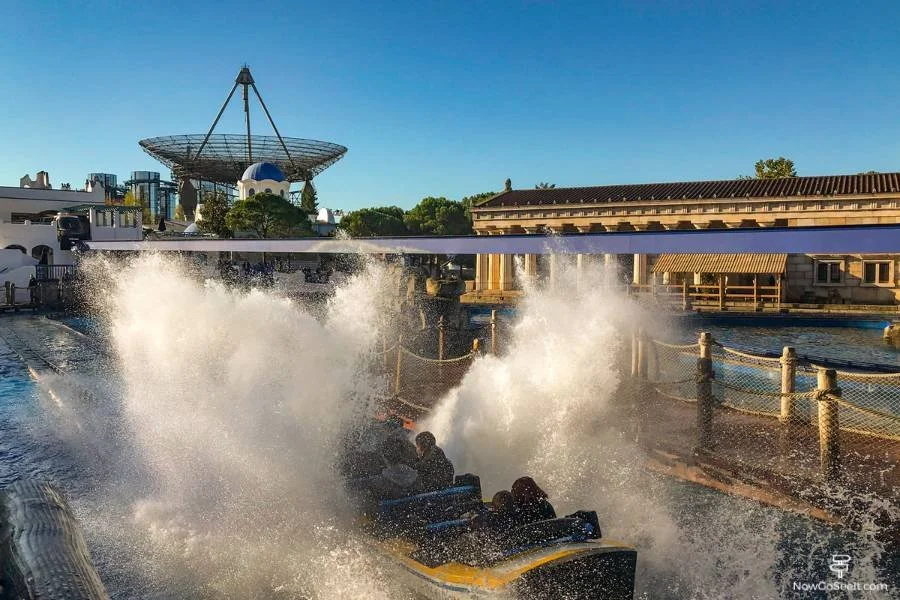
Europa-Park is the largest and most popular theme park in Germany and is probably second only to Disneyland Paris in all of Europe.
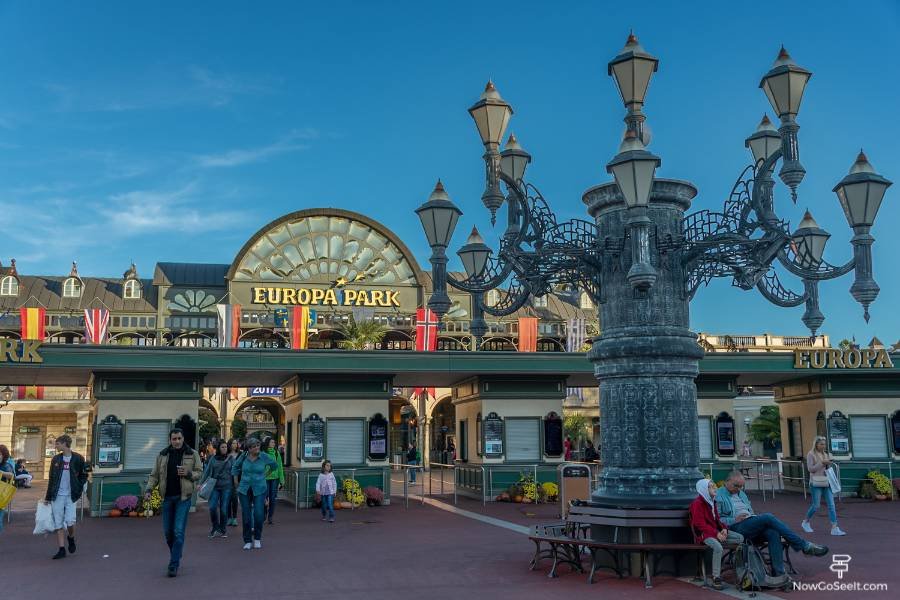
Germany Day 9: Europa-Park, travel to Strasbourg
Day two unlocks repeats, shows, and the details you skipped—plus time for water rides if the weather cooperates. An evening FlixBus to Strasbourg keeps your Germany by train itinerary flexible while adding a quick cross-border taste of France.
After a second full day in Europa-Park we took an evening Flixbus to Strasbourg, France.
The one-hour bus ride gave us the chance to grab some dinner in the city before returning to our hotel near the train station.

Germany Day 10: Strasbourg Itinerary
Strasbourg’s UNESCO-listed core, the pink-sandstone cathedral, and Palais Rohan make this a high-impact stop that’s easy on logistics. Walk everywhere, climb the tower for the view, and enjoy the French-German mix before rejoining your Germany itinerary the next morning.
A unique combination of French and German culture is on display in Strasbourg.
Strasbourg is a French city right on the border with Germany. The mix of French and German cultures creates a magical experience.
We explored the UNESCO listed World Heritage city center including the Cathédrale Notre Dame de Strasbourg and Palais Rohan.
Cathédrale Notre Dame de Strasbourg
Map: Google Maps
Website: Link
Guided Tour: GetYourGuide
The Strasbourg Cathedral is one of the most impressive buildings in Europe—and that’s not an exaggeration. The exterior is done in pink-hued sandstone and covered in detailed carvings from top to bottom. For over 200 years, it held the title of the tallest building in the world. Inside, the stained glass windows are vibrant even on cloudy days, and the soaring ceiling seems to disappear into darkness. A famous astronomical clock sits off to one side, surrounded by tourists waiting for it to chime. For a small fee, you can climb the tower for a panoramic view of the city and surrounding region. The stairs are steep, but the view is worth the leg workout.
Palais Rohan
Map: Google Maps
Website: Link
Just steps from the cathedral is Palais Rohan, a former bishop’s residence turned into a collection of museums. The building itself is grand but easy to walk past if you’re not paying attention. Inside you’ll find three different museums: one dedicated to decorative arts, another to archaeology, and a third to fine art. If you’re not a huge museum person, you can still peek into the courtyard or just enjoy the façade while walking between attractions. The whole area around the palace and cathedral feels like something out of a period film set—stone buildings, narrow alleys, and window boxes overflowing with flowers.
The city is best explored on foot slowly taking in the beauty around every corner.
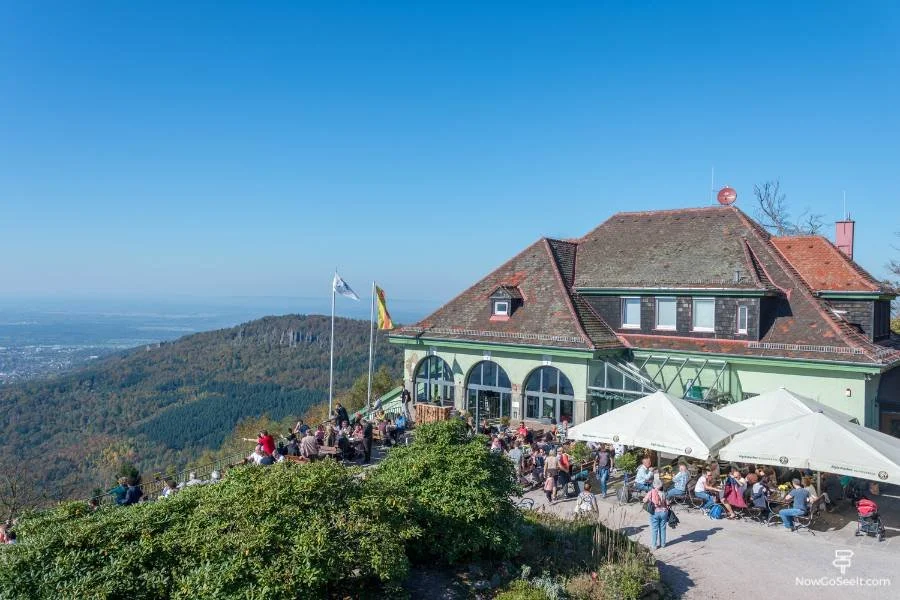
Germany Day 11: Baden-Baden Itinerary, Travel to Stuttgart
Ride the Merkur funicular for Black Forest views, then browse the spa-town center for a relaxed, scenic midway day. This is the calm reset your two week Germany itinerary needs before a short hop to Stuttgart.
Read about our day in sleepy and relaxing Baden-Baden.
We boarded a morning train to the German spa town of Baden-Baden. The city is nestled in the Black Forest.
Merkur Funicular Railway
Map: Google Maps
Website: Link
In Baden-Baden, the Merkur Funicular Railway is an easy and scenic way to reach one of the highest points in the northern Black Forest. The ride up is steep but smooth, taking just a few minutes to reach the summit. At the top, there’s an observation tower and walking paths with panoramic views over the valley and surrounding forest. On a clear day, you can see as far as France. There’s also a small cafe if you want to take a break before heading back down. It’s a quick detour but gives you a completely different perspective on the region—and a chance to ride a cool bit of German engineering.
After visiting the historic city center and taking the Merkur Funicular Railway to view the valley below, we returned to the train station and headed to Stuttgart, our final stop of the day.
An unexpected surprise, Stuttgart proved to be well worth a stop. In the evening we walked the city visiting Altes Schloss, or Old Castle, and did some great shopping along the city’s main pedestrian street Königstraße.
Altes Schloss (Old Castle), Stuttgart
Map: Google Maps
Website: Link
Tickets: GetYourGuide
Right in the center of Stuttgart is the Altes Schloss, or Old Castle, a 10th-century fortress that has been rebuilt and expanded over the centuries. The current structure has a Renaissance look, complete with a courtyard surrounded by arched walkways. Inside, it now houses the Württemberg State Museum, which includes everything from Roman artifacts to royal jewels. Even if you don’t go in, the exterior is worth checking out, especially when it's lit up at night. The courtyard is usually quiet in the evening, and it's a nice contrast to the modern buildings just a few blocks away.
Königstraße
Map: Google Maps
Königstraße is Stuttgart’s main pedestrian shopping street and one of the longest in Germany. It stretches over a kilometer and is lined with department stores, international brands, and a handful of local boutiques. The street is wide and mostly flat, making it perfect for evening walks or last-minute shopping. You’ll find everything from Zara to souvenir stands to bakeries selling pretzels the size of your head. The area stays lively into the evening, with street performers and plenty of outdoor seating at cafes. It’s a great spot to wrap up the day with some people-watching or impulse purchases.
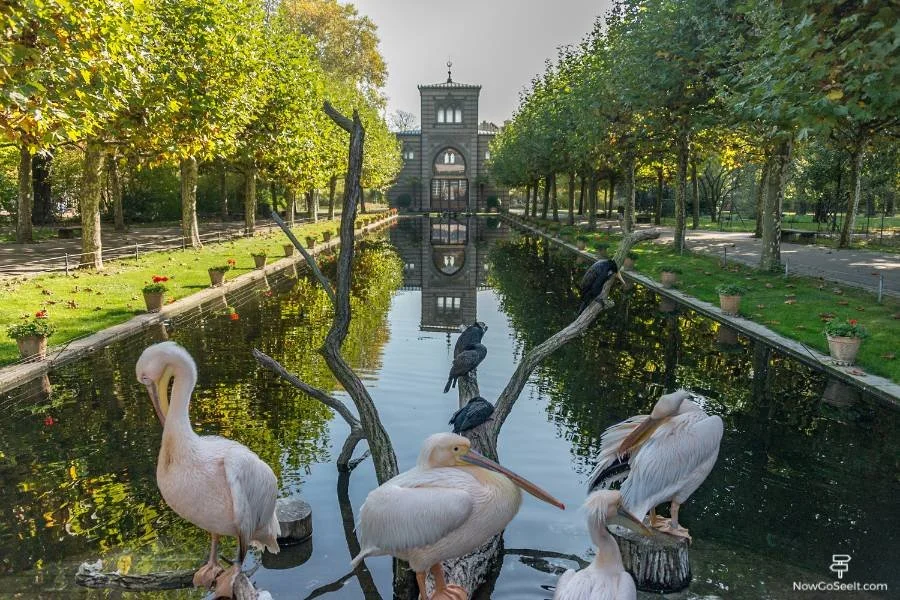
Germany Day 12: Stuttgart Itinerary, Travel to Munich.
Wilhelma Zoo and Botanical Garden in the morning, then Marienplatz, Viktualienmarkt-style dining energy on Königstraße—Stuttgart is compact and efficient. It’s an easy add for a Germany by train itinerary with quick connections and strong evening ambience.
Stuttgart is a gem of a city. Click to read about our time there.
We spent the morning visiting Stuttgart’s Wilhelma Zoological-Botanical Garden before catching an afternoon train to Munich. The train took about four hours.
Wilhelma Zoological-Botanical Garden
Map: Google Maps
Website: Link
Tickets: GetYourGuide
Stuttgart’s Wilhelma is one of the only combined zoo and botanical gardens in Europe. Originally built as a royal palace with Moorish-style architecture, it now houses over 1,000 animal species and thousands of plant varieties across greenhouses, gardens, and landscaped pathways. The grounds are surprisingly extensive, with habitats ranging from tropical birds and elephants to an aquarium and a walk-through monkey forest. Even if you’re not a big zoo person, the historic buildings and plant collections make this an interesting stop. It's easy to get to from central Stuttgart and a good way to squeeze in one last activity before heading to the train station.
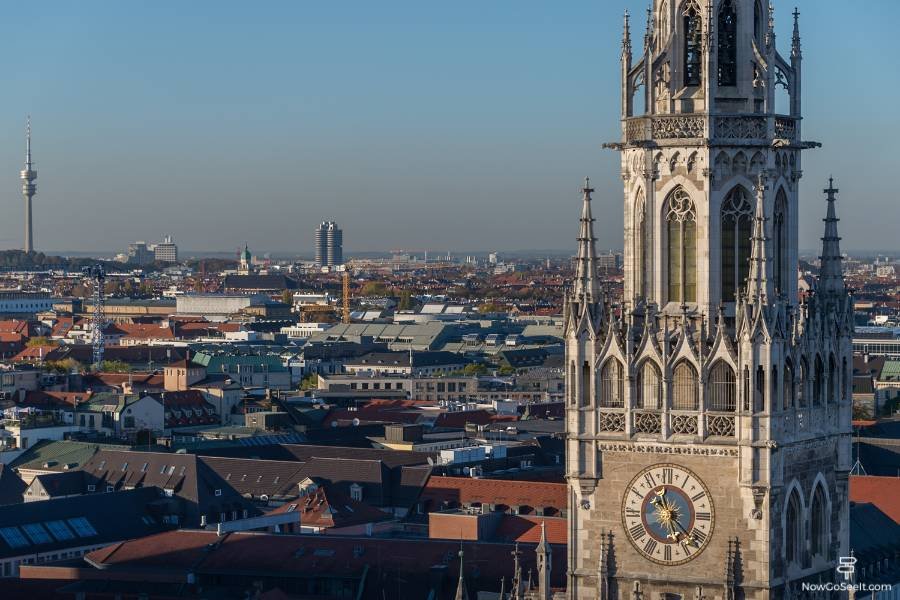
Our first evening in Munich was spent exploring the area around Marienplatz, the main tourist center including the outdoor Victuals Market.
Marienplatz
Map: Google Maps
Marienplatz is the heart of Munich and the kind of place where it’s easy to understand why so many tourists love the city. The New Town Hall dominates the square with its ornate façade and Glockenspiel clock tower that chimes and spins with little mechanical figures a few times each day. In the evening, the area is still lively, with locals and tourists crowding the surrounding streets. Shops, restaurants, and beer halls all radiate out from the square. It’s touristy, but it’s a great first stop to get your bearings and take in the city’s architecture.
Viktualienmarkt
Map: Google Maps
Website: Link
Just a short walk from Marienplatz, Viktualienmarkt is Munich’s open-air food market and a great place for a casual dinner or snack. Dozens of stalls sell fresh produce, cured meats, local cheeses, and baked goods. There’s a beer garden in the middle, but it’s more relaxed than some of the city’s more raucous halls. You can grab something from one of the food stands and bring it to a table, or just wander and snack as you go. The market closes relatively early, but even in the evening you can still find a few vendors open or just enjoy the lights and smells drifting through the space.
We booked a hotel directly across from the main train station.
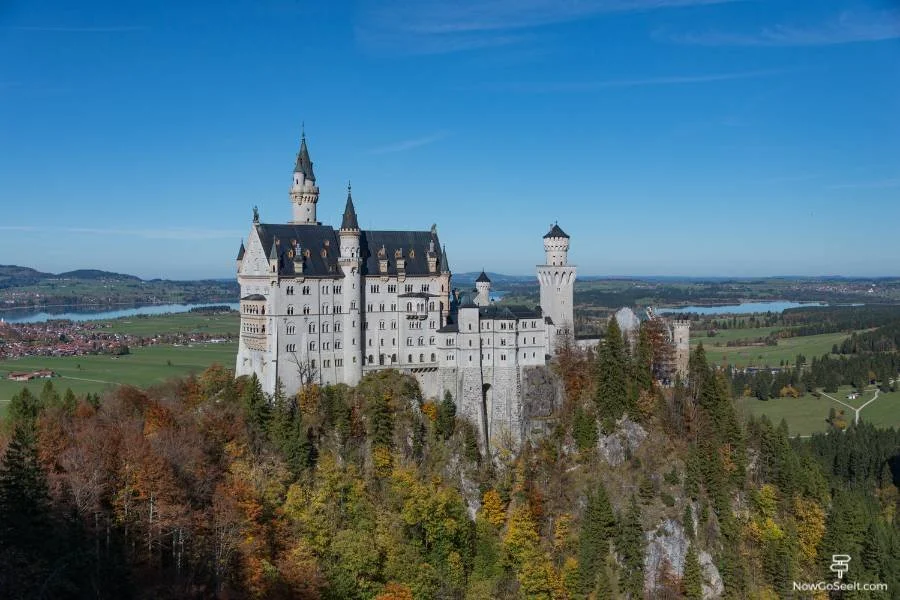
Germany Day 13: Neuschwanstein Castle
From Munich, Neuschwanstein is the essential Bavaria day trip—pair it with Hohenschwangau and plan time for the Marienbrücke viewpoint. Book timed tickets early to keep your Germany travel itinerary on schedule.
Munich is, of course, one of the most popular places to visit in Germany. It is also a massively convenient place to stay while taking day trips throughout Bavaria.
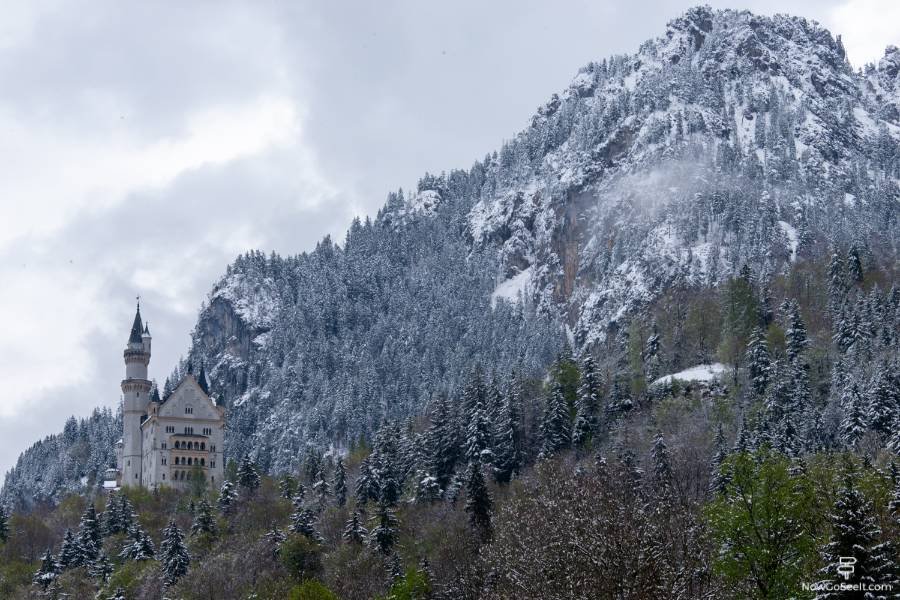
Neuschwanstein Castle is the quintessential European castle. An easy two-hour train ride from Munich will get you to the town of Füssen where you can book your castle tour tickets.
Also, make time for the adjacent Hohenschwangau Castle.
We returned to Munich late in the evening.
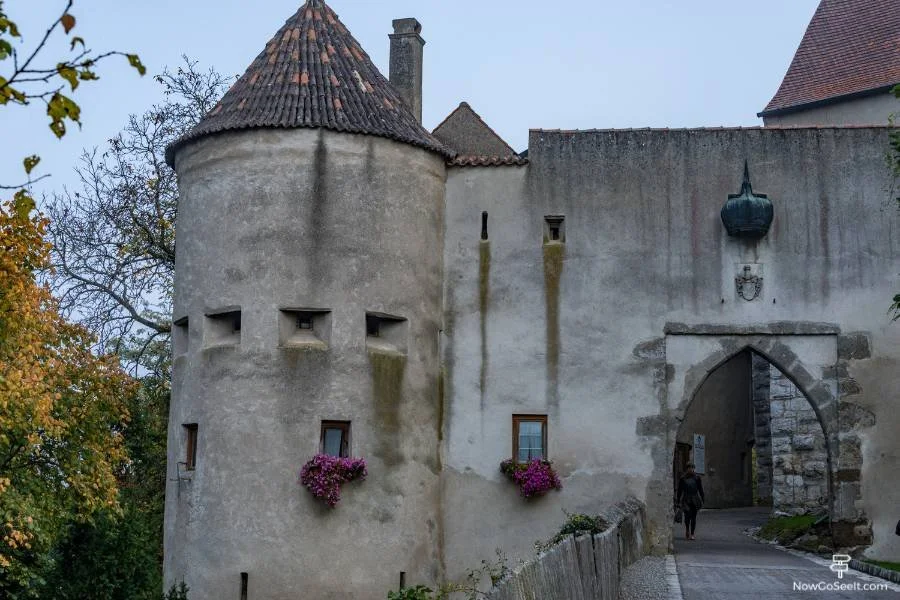
Germany Day 14: Romantic Road
Let a guided Romantic Road tour handle routing while you focus on Harburg Castle and medieval Rothenburg ob der Tauber. It’s the simplest way to sample this classic route inside a tight two week Germany itinerary.
We were without a car during our visit, relying completely on public transportation. We wanted to take a trip on the famous Romantic Road but were having trouble navigating a route on our own. So we decided to book a day trip with our partner Viator.
The trip included a stop at the amazing Harburg Castle and the medieval city of Rothenburg.
We made it back to Munich in time for a late dinner at a beer hall.
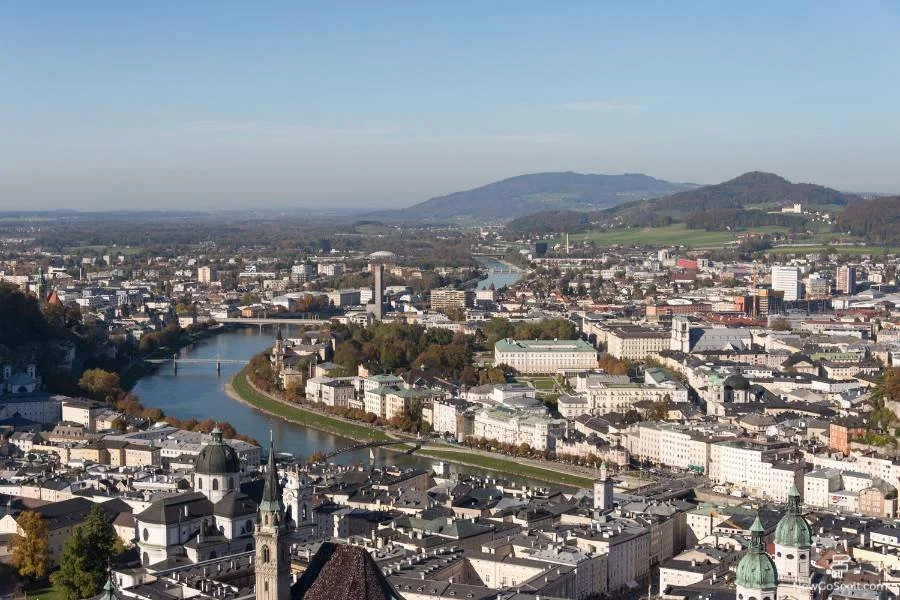
Germany Day 15: Day Trip to Salzburg, Austria
Your German Rail Pass covers the Munich–Salzburg run, making this cross-border day trip a painless add. Hit Mirabell Gardens, Getreidegasse by Mozart’s Birthplace, and the Hohensalzburg Fortress for a tidy Salzburg loop before returning to Munich.
Read about the day trip to Salzburg in our post.
The train ride to the city of Salzburg was just under two hours. Despite technically being in Austria, your German Rail Pass is valid on the Munich to Salzburg route.
We visited the famous Sound of Music site, Mirabell Palace, walked by Mozart’s childhood home, and climbed to the towering Hohensalzburg Fortress.
Mirabell Palace
Map: Google Maps
Website: Link
Mirabell Palace and its gardens are one of Salzburg’s most photographed spots—thanks in large part to The Sound of Music. The gardens are free to enter and laid out in tight geometric patterns with fountains, sculptures, and flower beds that change with the seasons. If you’re familiar with the movie, you’ll recognize the Pegasus Fountain and vine tunnel almost immediately. The palace itself is used for government offices, but you can enter the Marble Hall, where classical concerts are sometimes held. It’s a quick visit, but one that feels very “Salzburg.”
Mozart’s Childhood Home
Map: Google Maps
Website: Link
You won’t need much time at Mozart’s birthplace unless you’re a superfan. The bright yellow building sits on Getreidegasse, one of Salzburg’s main shopping streets, and has a plaque noting its musical importance. Inside is a small museum with exhibits about the Mozart family and some of the composer’s childhood instruments. Even if you skip the museum, it’s worth walking by for the street itself—packed with wrought-iron signs, narrow alleyways, and busy foot traffic. The contrast of luxury brands and centuries-old buildings makes this stretch of Salzburg feel both polished and old-world at the same time.
Hohensalzburg Fortress
Map: Google Maps
Website: Link
Ticket: GetYourGuide
The fortress looms over Salzburg and can be reached via a short funicular ride or a fairly steep uphill walk. Once at the top, you’re rewarded with some of the best panoramic views in Austria. The inside of the fortress is part museum, part restored living quarters, with rooms that include medieval weapons, old furniture, and a bizarre puppet museum. The best part is just wandering the walls and terraces, looking out across the rooftops of the city and the surrounding mountains. Even if you don’t go inside, just getting to the top is a highlight of any visit to Salzburg.
We returned to Munich late that evening.
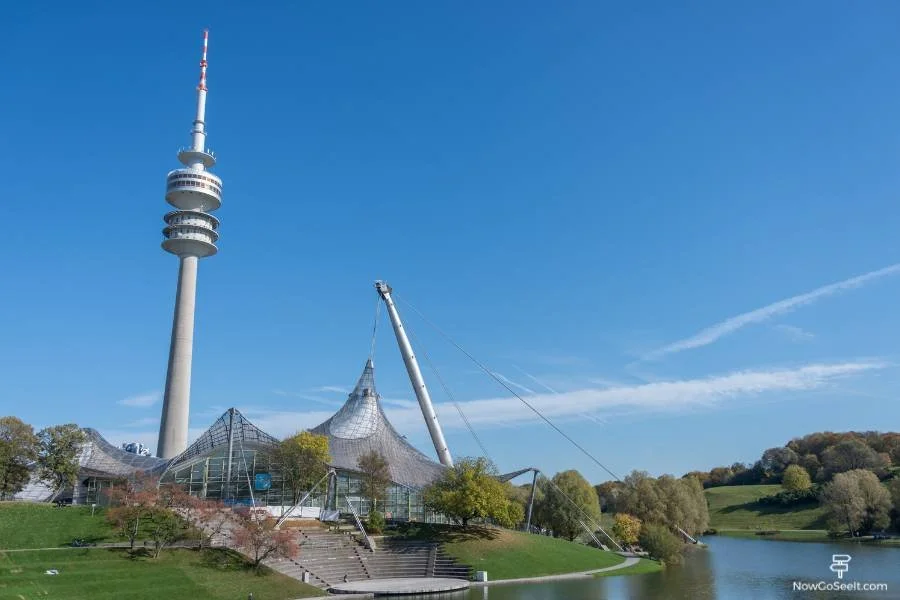
Germany Day 16: Munich
Close strong with Munich Residenz, Nymphenburg Palace, and Olympiapark for a mix of royal history and modern design. This one-day Munich plan caps a Germany itinerary by train with big sights, easy transit, and great final-night dining.
Read more about our 5 days in Munich.
We spent the day touring all of Munich including the Munich Residenz, Nymphenburg Palace, and the home of the 1972 Olympics; Olympiapark.
Munich Residenz
Map: Google Maps
Website: Link
Tickets: GetYourGuide
The Munich Residenz is a sprawling former royal palace in the center of the city that once served as the seat of Bavarian rulers. The building is deceptively large—what looks like a few courtyards from the outside turns into a maze of rooms filled with painted ceilings, gilded furniture, and over-the-top decor. Highlights include the Antiquarium, a long vaulted banquet hall filled with busts and frescoes, and the Treasury, which holds all the shiny things that monarchs collected to show off their power. The audio guide is helpful, but if you’re short on time, just wandering through the main halls gives you a good sense of the palace’s scale and drama.
Nymphenburg Palace
Map: Google Maps
Website: Link
Tickets: GetYourGuide
Out in the western part of Munich, Nymphenburg Palace is a grand Baroque palace built as a summer home for Bavarian royalty. The main building is surrounded by massive grounds that include formal gardens, small pavilions, and even a canal. Inside, you’ll see rooms decked out in rococo excess and the famous Gallery of Beauties—a portrait hallway commissioned by King Ludwig I. If you’re into historic carriages or sleighs, there’s an entire hall devoted to them. The gardens are open to the public, so it’s easy to explore even without a palace ticket.
Olympiapark
Map: Google Maps
Website: Link
Built for the 1972 Summer Olympics, Olympiapark still holds up as one of Munich’s coolest urban spaces. The sweeping glass-and-steel canopy structure is just as modern today as it must have felt when it opened. You can walk around the stadium complex, rent a pedal boat on the lake, or ride the elevator to the top of the Olympic Tower for views across the city. A few tour options will take you into the Olympic Stadium or the old athlete village. It’s less of a tourist zoo than other stops in Munich and worth the visit, especially if you like modern architecture or big open spaces.
We found our last bites of delicious German cuisine before retiring for the evening. The next morning an early flight takes us back home.
Germany Two Week Itinerary:
This Germany by train itinerary links Berlin, Hamburg, Cologne, Heidelberg, Stuttgart, Munich, Europa-Park, the Romantic Road, and a Salzburg day trip with minimal backtracking. It balances must-see cities and castles with theme parks and scenic detours—high impact days, smooth transfers, and plenty of room for great food.
Day 1:
Arrive in Berlin via plane in the early morning.
Explore Berlin
Sleep in Berlin
Day 2:
Potsdam 1/2 day trip from Berlin
Afternoon in Berlin
Evening Train to Hamburg
Sleep in Hamburg
Day 3:
Explore Hamburg
Sleep in Hamburg
Day 4:
Heide Park Theme Park
Sleep in Hamburg
Day 5:
Morning Train to Cologne
Explore Cologne
Afternoon train to Phantasialand
Sleep in Phantasialand
Day 6:
Visit Phantasialand
Evening train to Heidelberg
Sleep in Heidelberg
Day 7:
Explore Heidelberg
Evening Flixbus to Europa-Park
Sleep in Europa-Park
Day 8:
Visit Europa-Park
Sleep in Europa-Park
Day 9:
Visit Europa-Park
Evening FlixBus to Strasbourg, France
Sleep in Strasbourg, France
Day 10:
Explore Strasbourg
Sleep in Strasbourg
Day 11:
Morning Train to Baden-Baden
Explore Baden-Baden
Afternoon Train to Stuttgart
Explore Stuttgart
Sleep in Stuttgart
Day 12:
Explore Stuttgart
Afternoon train to Munich
Explore Munich
Sleep in Munich
Day 13:
Day trip to Neuschwanstein Castle
Sleep in Munich
Day 14:
Romantic Road tour (with Viator)
Sleep in Munich
Day 15:
Day Trip to Salzburg, Austria
Sleep in Munich
Day 16:
Explore Munich
Sleep in Munich
Day 17:
Depart Munich